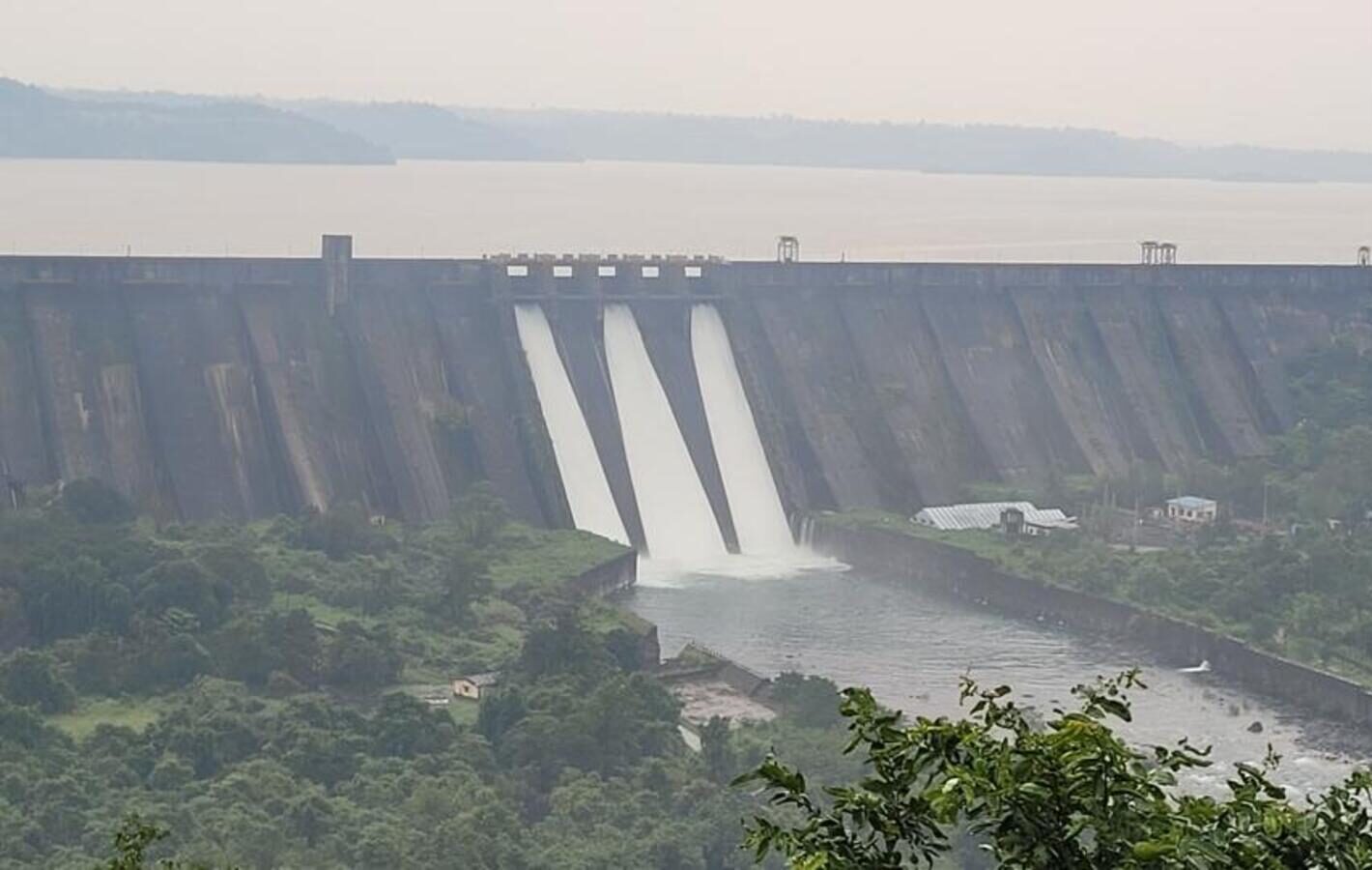
Mumbai’s long-pending Gargai dam project in Palghar district has moved forward after civic authorities approved a revised financial proposal, signalling a key step in addressing the city’s growing water demand. The decision comes after weeks of scrutiny over cost escalations, environmental considerations, and land acquisition challenges, all of which had delayed the project’s clearance.
The Gargai dam project, aimed at supplying an additional 450 million litres per day (MLD) of potable water, is a critical component of Mumbai’s long-term water security strategy. With population growth and climate variability placing increasing pressure on existing reservoirs, urban planners view such projects as essential to sustaining economic activity and equitable access to resources. Civic officials confirmed that the project has been cleared at a revised cost of over ₹3,065 crore, reflecting a marginal increase from earlier estimates after negotiations with contractors. The revised approval follows concerns raised by decision-making authorities over higher-than-expected bids submitted during the tendering process. Industry observers note that cost rationalisation in large infrastructure projects has become increasingly important as cities balance fiscal prudence with urgent infrastructure needs.
Beyond financial considerations, the Gargai dam project has also brought into focus the complexities of land acquisition and community rehabilitation in peri-urban regions. To streamline these processes, the administration has approved the formation of a dedicated land acquisition unit. This specialised team, comprising officials across departments, is expected to function for a limited period to fast-track negotiations and reduce administrative bottlenecks. Urban development experts highlight that such institutional mechanisms are crucial in large-scale infrastructure delivery, particularly in regions where land ownership patterns and environmental sensitivities intersect. “Water infrastructure cannot be evaluated only on engineering parameters. It must also integrate social impact and ecological resilience,” said an urban policy analyst.
The project involves constructing a major dam structure on a tributary of the Vaitarna river system, which already supports a significant share of Mumbai’s water supply. While this expansion is expected to improve supply reliability, environmental planners have consistently pointed to the need for careful assessment of forest land use, biodiversity impacts, and long-term sustainability. In recent years, Mumbai has faced periodic water stress, especially during weak monsoon cycles. The Gargai dam project is being positioned as part of a broader strategy to diversify water sources and build resilience against climate-induced variability. However, experts caution that supply-side solutions must be complemented by demand management, leakage reduction, and water recycling initiatives.
As the project moves into the execution phase, attention will shift to implementation timelines, rehabilitation measures for affected communities, and adherence to environmental safeguards. The success of the Gargai dam project could shape how Mumbai approaches future infrastructure investments—balancing growth with sustainability, and engineering ambition with social responsibility.
BMC Approves Gargai Project With Revised Cost Structure