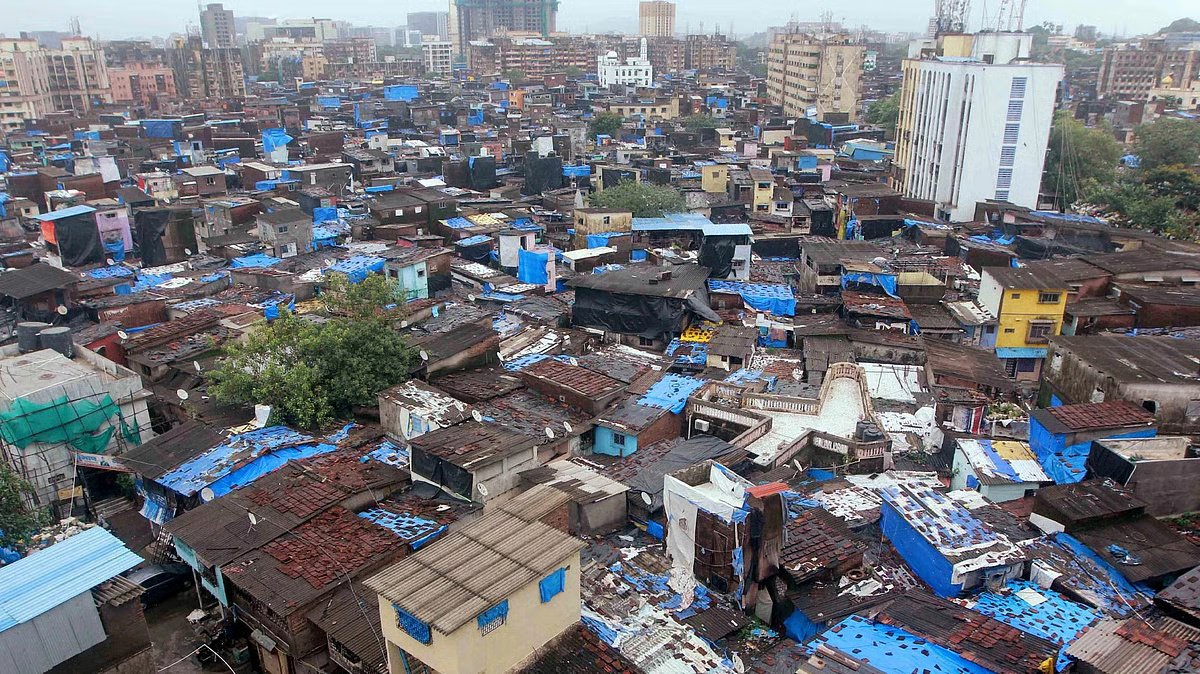
The Brihanmumbai Municipal Corporation (BMC) has issued a formal notice to the Dharavi Redevelopment Project (DRP) following a series of violations of air pollution control standards at its Matunga worksite. The redevelopment, managed by Nav Bharat Mega Developers Pvt Ltd (NMDPL), came under the civic body’s environmental monitoring team scrutiny after residents lodged complaints about dust and poor air quality in surrounding neighbourhoods.
According to the BMC, inspections revealed multiple lapses in pollution-control measures at the site. The redevelopment zone lacked essential green cloth or jute-sheet enclosures, dust- or smoke-extraction systems, and proper vehicle-washing facilities. Additionally, the worksite did not display air-quality index boards or safety-compliance signage, which are mandatory for projects of this scale. An official from the BMC emphasised that immediate corrective action is expected from the contractor. “These measures are non-negotiable. If violations persist, ongoing construction could be halted, and permissions revoked to safeguard public health,” the official noted. Follow-up inspections are scheduled within the week to ensure compliance.
The warning forms part of a broader crackdown on construction-related air pollution across Mumbai. Earlier this year, civic teams issued hundreds of show-cause notices and stop-work orders to projects failing to implement mandatory dust-control and air-quality safeguards. Experts argue that such enforcement is vital in high-density areas like Dharavi, where redevelopment work directly affects densely populated neighbourhoods. Urban planners highlight that large-scale slum redevelopment, while critical for upgrading housing and infrastructure, carries environmental responsibilities. Without effective dust suppression, waste management, and monitoring, the health of local residents can be severely impacted. A senior urban planner explained, “In densely populated areas, even minor lapses in construction emissions management can exacerbate respiratory illnesses and compromise overall quality of life.”
Community groups have also voiced concern, stressing that adherence to environmental norms is essential not only for immediate safety but for long-term sustainable development. The Matunga project, given its scale and visibility, is now seen as a test case for enforcing stricter environmental compliance in redevelopment initiatives across Mumbai. The BMC has underlined that the Dharavi redevelopment must align with air-quality regulations and sustainable urban development principles. The civic body’s enforcement reflects a growing emphasis on embedding environmental safeguards within urban regeneration projects to ensure equitable, healthy, and resilient neighbourhoods.
BMC Alerts Dharavi Redevelopment Project Over Rising Air Pollution In Matunga