


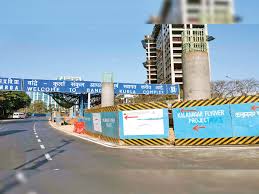
The Mumbai Metropolitan Region Development Authority (MMRDA) has put forth a proposal for a significant road expansion project within the bustling Bandra Kurla Complex (BKC) area.
This initiative aims to address the growing vehicular traffic congestion in this crucial business district and enhance overall mobility for commuters and businesses operating within and around BKC. While the immediate focus is on improving traffic flow, the project’s broader implications for sustainable urban development and the creation of a more efficient and potentially greener transportation ecosystem in Mumbai warrant careful consideration. BKC, as a prominent commercial and financial hub, experiences substantial daily vehicular movement, leading to frequent bottlenecks and increased commute times. The proposed road expansion project is likely intended to augment the existing road capacity, potentially through widening existing roads, constructing new arterial routes, or optimising traffic management systems. While such infrastructure enhancements can offer immediate relief from congestion, it is crucial that the planning and execution of this project align with the long-term goals of creating zero net carbon, eco-friendly, and sustainable cities.
A truly forward-thinking road expansion project in a vital area like BKC should integrate principles of sustainable urban mobility. This could involve incorporating dedicated lanes for public transport, including buses and potentially even segregated bus rapid transit (BRT) corridors. Furthermore, the plan should prioritise infrastructure that supports non-motorised transport, such as the creation of safe and accessible pedestrian walkways and dedicated cycling tracks. Encouraging a modal shift towards public and non-motorised transport is essential for reducing reliance on private vehicles, thereby lowering carbon emissions and improving air quality within the business district and the wider city. Moreover, the road expansion project presents an opportunity to integrate green infrastructure elements. This could include the incorporation of permeable pavements to facilitate rainwater harvesting and reduce stormwater runoff, the planting of trees and vegetation along the roadsides to enhance green cover and mitigate the urban heat island effect, and the installation of energy-efficient street lighting. These measures can contribute to making BKC a more environmentally sustainable and liveable urban space.
From an equitable perspective, the road expansion should ensure accessibility for all users, including pedestrians, cyclists, and those using public transport, regardless of age or ability. Well-designed infrastructure that prioritises universal accessibility is crucial for creating a truly inclusive urban environment. Furthermore, the project should consider the needs of all commuters, including those relying on different modes of transport, to ensure a balanced and equitable transportation system. As MMRDA progresses with this proposal, it is vital that a comprehensive environmental and social impact assessment is undertaken. This assessment should not only evaluate the potential benefits of the project in terms of reduced congestion but also thoroughly examine its environmental footprint and social implications. Engaging with urban planners, environmental experts, and the local community will be crucial in ensuring that the final project design aligns with the principles of sustainability and contributes to the long-term vision of a greener and more equitable Mumbai. The expansion of road infrastructure in a key economic zone like BKC offers a significant opportunity to demonstrate how urban development can be aligned with environmental responsibility and social inclusivity, setting a benchmark for future projects in the region.
Also Read: India to Build New Semiconductor Plant in UP
