


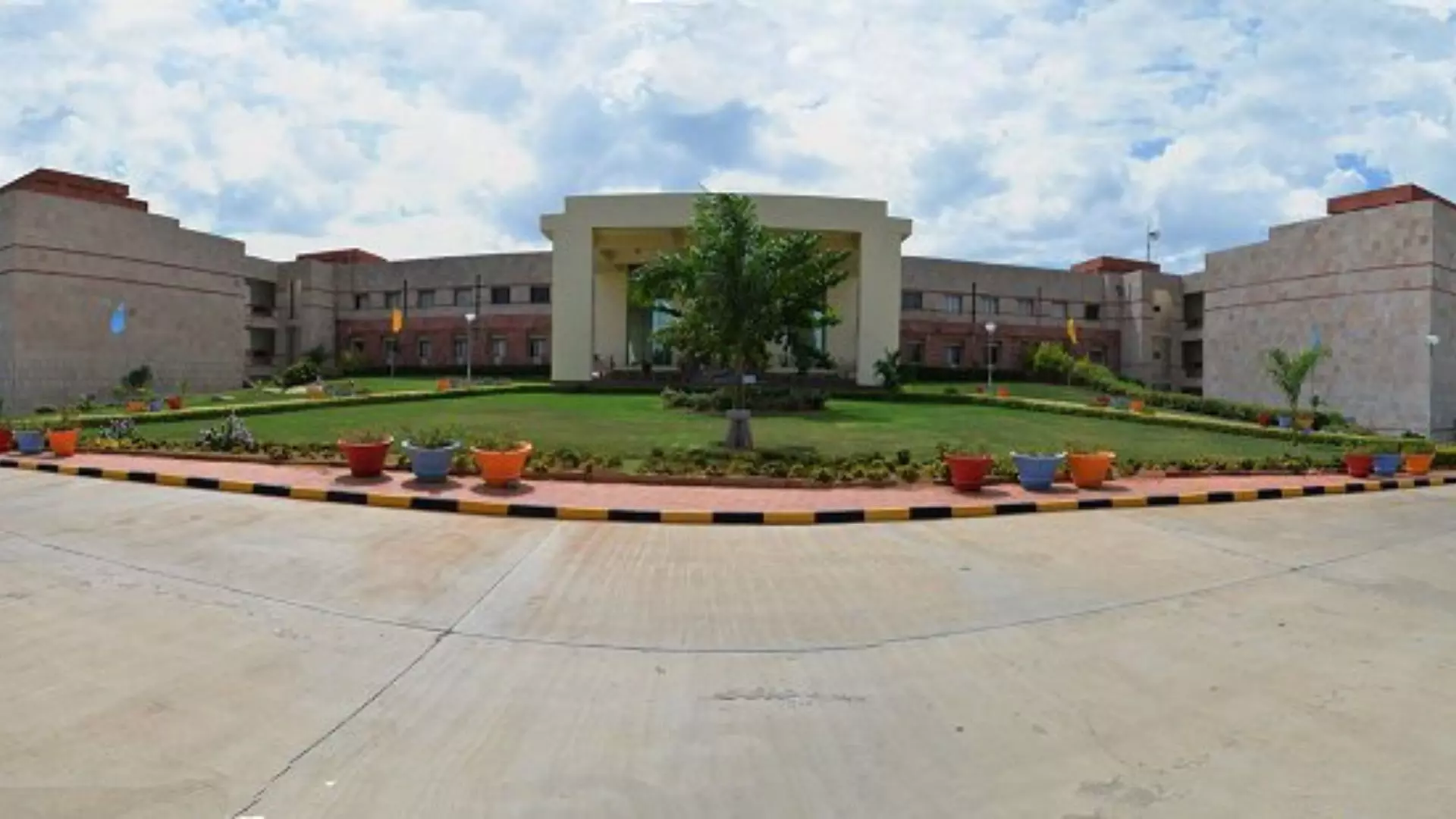
A research team at the Hyderabad campus of BITS Pilani has developed a low energy cooling system that operates without conventional refrigerants, signalling a potential shift in how Indian cities approach air-conditioning in a warming climate.The innovation, designed at the institute’s Shamirpet facility, replaces compressor-driven cooling cycles with an open thermodynamic system that uses moisture-absorbing materials to condition air. The technology is engineered to function using low-temperature heat sources — between 40°C and 50°C — which are commonly available as industrial waste heat or from solar thermal installations.
Cooling demand across Indian metros has surged over the past decade, driven by rapid urbanisation, denser housing formats and rising summer temperatures. Conventional air-conditioning systems rely heavily on electricity and synthetic refrigerants that contribute to greenhouse gas emissions. In humid coastal cities such as Mumbai, Kolkata and Chennai, a significant portion of energy consumption is linked to dehumidification rather than temperature reduction alone.The Hyderabad team’s low energy cooling system addresses this imbalance by focusing on deep moisture removal. It uses silica gel coated onto specially designed heat exchanger surfaces to absorb humidity from incoming air. By reducing latent heat load — the energy required to remove moisture — the system lowers the need for high electrical input typically associated with compressors.
Industry analysts say such approaches could reduce peak power demand in large commercial complexes, data centres and transit hubs. For municipal authorities grappling with grid stress during heatwaves, shifting part of the cooling load from electricity to low-grade heat could ease infrastructure pressure.The system has been tested to deliver supply air conditions that meet standard indoor comfort requirements for air-conditioned buildings. Because it avoids fluorocarbon-based refrigerants, it also aligns with India’s commitments under global climate agreements aimed at phasing down high global warming potential gases.
Urban planners note that cooling accounts for nearly 40–60% of electricity use in certain commercial buildings during peak summer months. Integrating a low energy cooling system with district cooling networks or waste-heat recovery systems in industrial clusters could open new economic pathways for sustainable real estate development.As Indian cities expand and climate projections point to longer and more intense heat periods, building-level innovations are likely to play a decisive role in shaping resilient infrastructure. Researchers indicate that further optimisation and pilot-scale deployment will determine commercial viability.If successfully scaled, refrigerant-free cooling technologies could become a cornerstone of climate-responsive building design — reducing operating costs for developers while advancing zero-carbon urban growth goals.
Also Read:Delhi NCR micro-markets reshape investment landscape
BITS Hyderabad Unveils Low Energy Cooling System
