Biswanath Neighbourhood Lacks Toilets, Water and Housing Despite Government Schemes
In the heart of Biswanath district, just steps away from government offices and colleges, Ward No. 11 stands as a grim testament to development’s blind spots. Deprived of clean drinking water, sanitation, and housing, residents here live in makeshift shelters with no civic support in sight. Despite being part of an urban municipality, basic facilities like functioning toilets and daily water supply remain out of reach, leaving families to fend for themselves in increasingly unhygienic conditions.
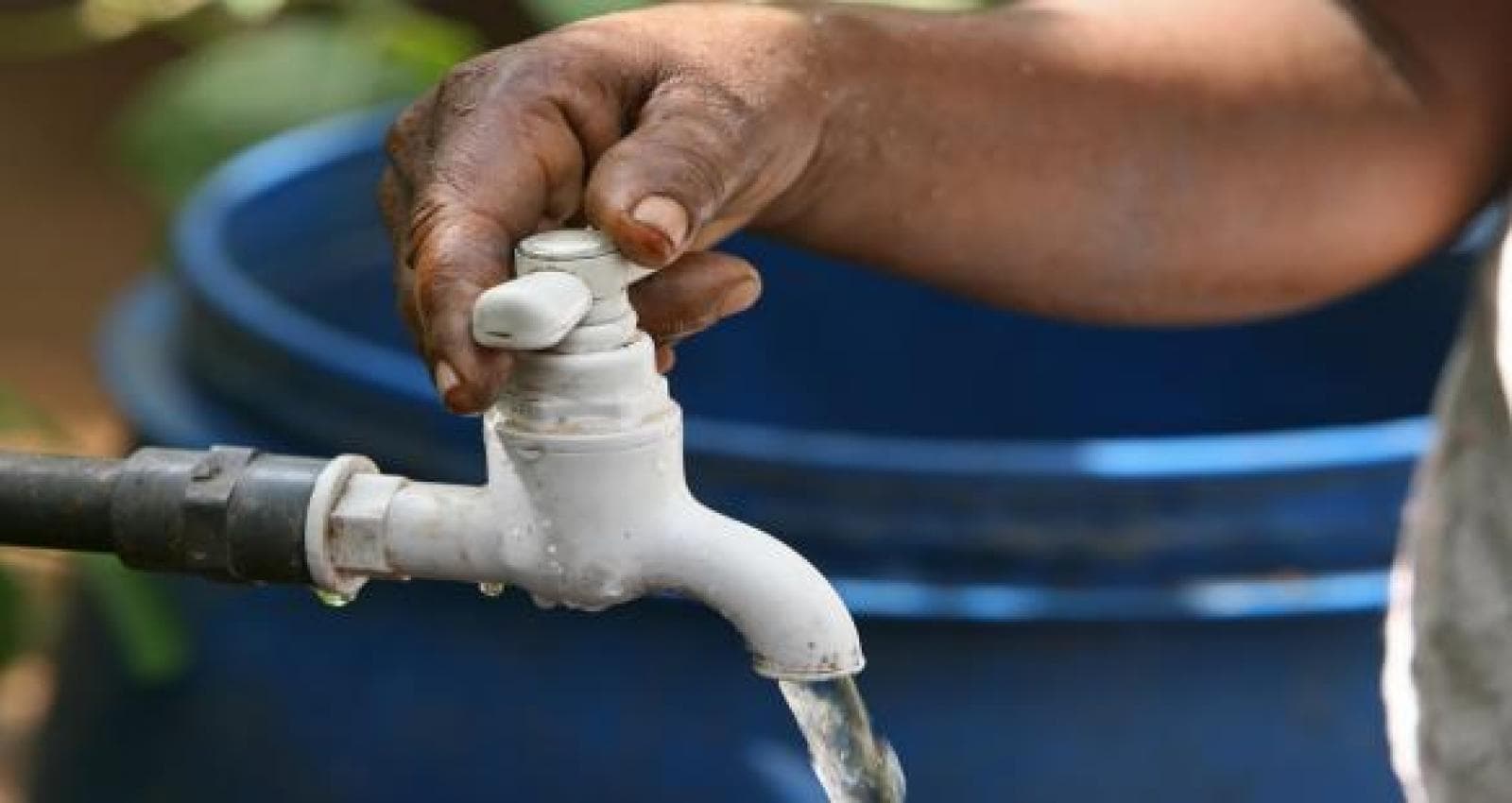
Ward No. 11 in Biswanath Chariali reveals a troubling contradiction: proximity to major institutions but complete absence of urban dignity. While key district offices and educational centres operate nearby, the ward’s residents lack essentials such as toilets, piped water, and secure housing. The drinking water taps, installed under government schemes, run dry most of the year, forcing families to depend on pump wells or walk to distant tea gardens. Many women and elderly residents are forced to relieve themselves in unsafe, open spaces, often being shooed away by landowners. According to local estimates, just 625 of nearly 4,000 households under the municipality are covered by the existing urban water scheme. Machinery breakdowns have further reduced supply from twice to once daily. Residents say they’ve received little response from civic authorities, with their ward member rarely visiting. Many survive on ration cards and daily labour, trapped in poverty just metres away from development projects.
The worsening situation in Ward 11 reflects larger systemic failures in municipal governance and urban planning. Despite falling under an official urban body, the ward has only one overcrowded public toilet for more than 50 families. With no sanitation infrastructure or adequate maintenance, open defecation is widespread, increasing the risk of diseases, especially among children. Residents report regular fights at the toilet due to long queues and poor upkeep. Some even state that the environment is so unsanitary, they fear for their children’s safety. Many blame the municipal board for neglect and allege that development schemes favour visible projects over essential needs. The lack of housing has left several families in temporary shacks exposed to harsh weather, with no sign of relief despite ongoing housing programmes in other parts of the district. Local voices continue to demand dignity through basic rights—clean water, housing, and sanitation—but feel silenced in a system that has largely overlooked them.
The plight of Biswanath’s Ward 11 exposes how development often skips those who need it most. Families here, situated next to administrative offices and educational institutions, continue to live without water, housing, or functioning toilets—highlighting deep-rooted disparities in urban service delivery. While schemes exist on paper, their reach remains selective. Without immediate action from authorities, residents risk further marginalisation. Their appeal is simple yet urgent: access to clean water, safe sanitation, and secure housing. As urbanisation accelerates across Assam, equitable planning must ensure that no neighbourhood—especially one at the city’s heart—is left behind.