Bilaspur Toll Resumes On Reduced Himachal Highway Stretch
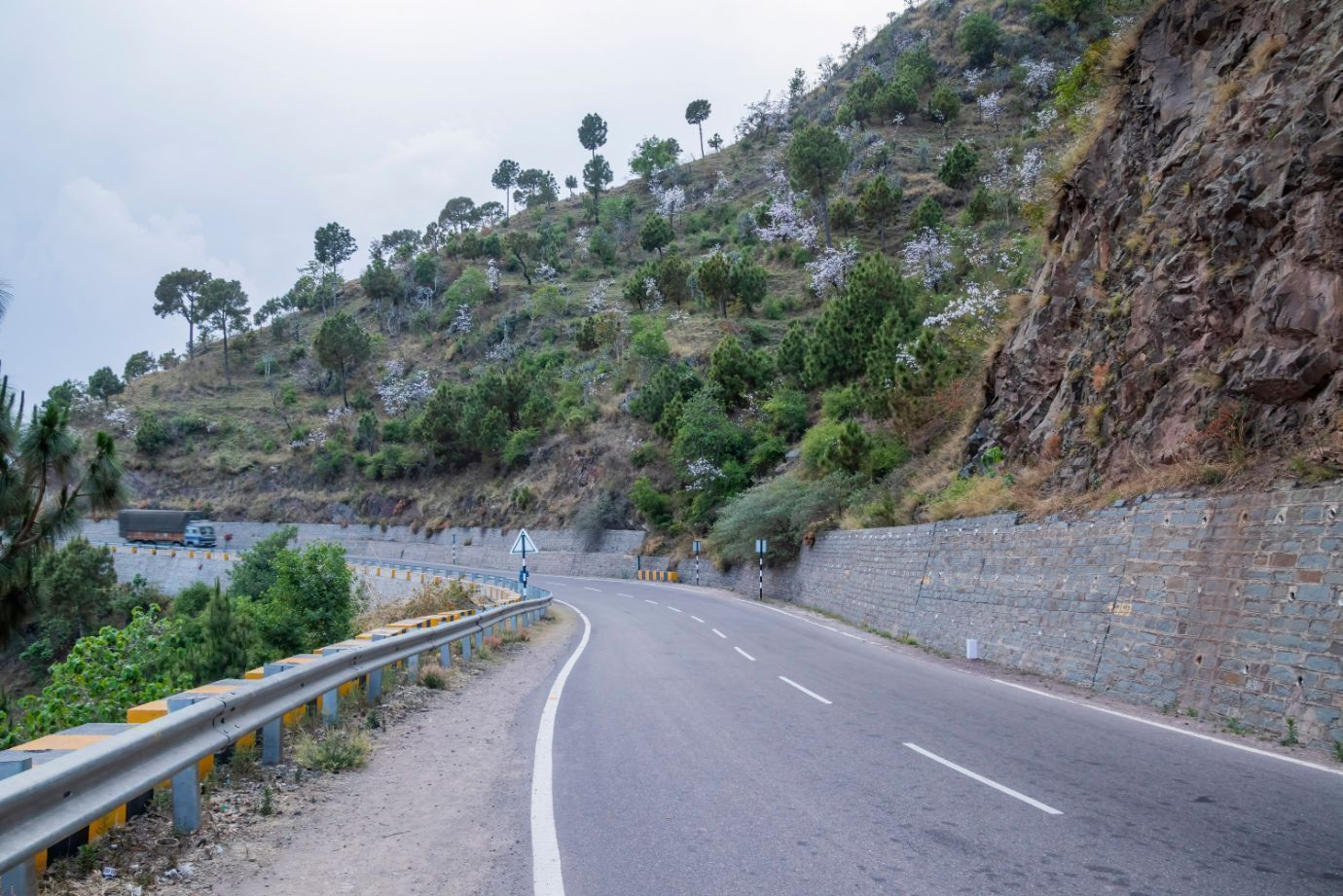
Bilaspur’s four-lane National Highway-21 has reopened for partial toll collection after authorities scaled back operations to a safer, shorter stretch of road. The District Disaster Management Authority (DDMA) has restored tolling rights from August 23, but only across 48.935 kilometres of the highway, following weeks of landslide-triggered disruptions that left commuters stranded and infrastructure battered.
The revised decision follows an inspection carried out jointly by the National Highways Authority of India (NHAI) officials and multiple Sub-Divisional Magistrates. Their report concluded that around 0.83 kilometres of the route remains unsafe, with only two lanes operational in sections where four are planned. As a result, toll collection has been restricted to usable portions of the road, excluding damaged sections until full repairs are complete.
Officials confirmed that toll operators at the Baloh and Maura plazas have been directed to strictly levy charges only on the revised operational stretch. Adequate signage, helpline numbers and traffic management measures are being enforced to ensure safety and provide clarity to commuters. The DDMA’s move signals an effort to strike balance between recovering infrastructure costs and ensuring fair treatment of road users amid ongoing repairs.
The decision is particularly significant as Himachal Pradesh continues to grapple with weather-induced challenges to its road network. Frequent landslides, falling boulders and flash floods have left several stretches vulnerable, underlining the urgent need for resilient and eco-sensitive infrastructure planning in the Himalayan region. Experts stress that road development in hilly states must increasingly adopt green engineering practices, including slope stabilisation, bio-engineering, and controlled deforestation, to reduce disaster risks while maintaining connectivity. Beyond its immediate impact on motorists, the toll reinstatement highlights the financial sustainability concerns in highway operations. With infrastructure projects heavily dependent on toll revenue for maintenance and debt servicing, temporary suspensions often result in fiscal strain for developers and contractors. The reduced collection length reflects a pragmatic compromise, ensuring revenue flow while exempting travellers from paying for unsafe stretches.
Meanwhile, the issue has stirred debate in the Himachal Assembly, where discussions on disaster preparedness and relief sparked political confrontation. Opposition leaders walked out in protest against the government’s response, accusing officials of neglecting disaster-hit districts and overlooking the plight of affected families. In defence, government representatives pointed to past mismanagement, arguing that unsustainable practices such as unchecked tree felling worsened the scale of recent landslides. As the state rebuilds critical infrastructure, the Bilaspur toll decision illustrates the broader challenge of aligning transport policy with climate resilience. While restoring tolls may help fund road repairs, the priority remains constructing safer, eco-friendly highways that withstand natural shocks and ensure fair access for communities across Himachal Pradesh.