Bihar Road Network Upgrade Shifts Pace On Expressway
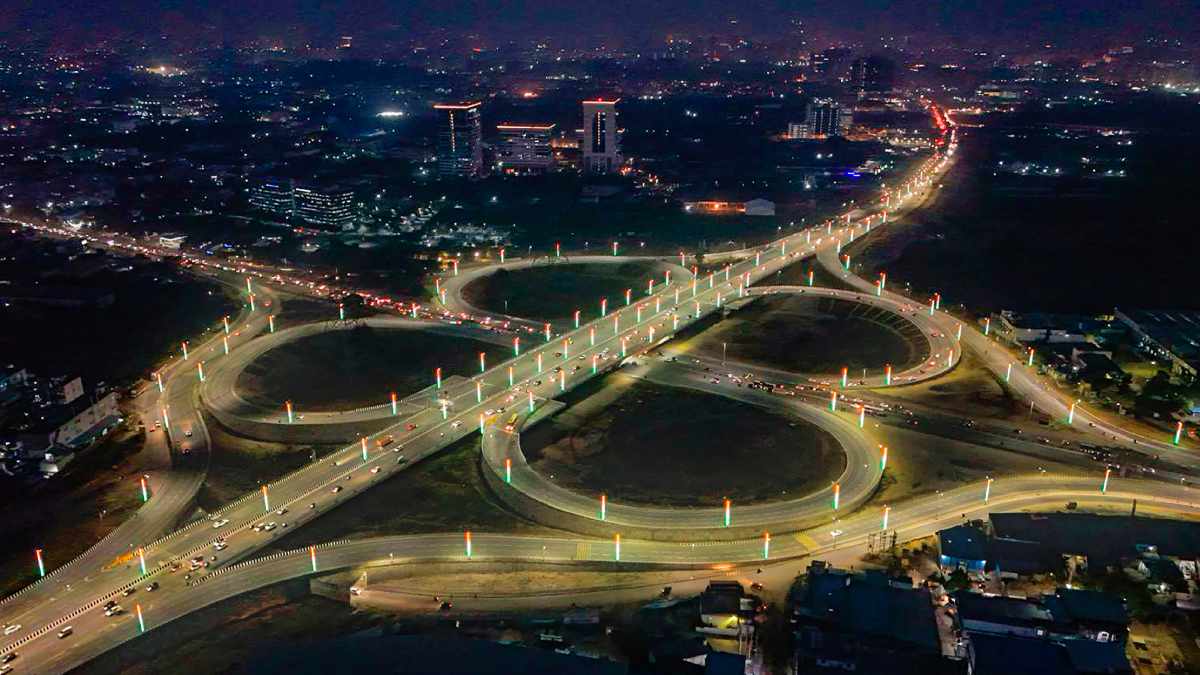
Patna — Bihar’s state government is pressing ahead with a major upgrade of regional road infrastructure, accelerating the development of the high-investment Mokama–Munger Expressway alongside a portfolio of inter-district highways designed to improve mobility, trade flows and economic integration across eastern Bihar.
Senior officials have issued directives to resolve land acquisition and procedural bottlenecks, signalling increased administrative emphasis on completing transformational transport corridors on schedule. At the core of this drive is the Mokama–Munger Greenfield Expressway, a four-lane, access-controlled corridor stretching roughly 82.4 km with an estimated capital outlay of ₹4,447 crore. Originally sanctioned by a central government panel last year, the project is part of a broader high-speed network designed to link the agricultural hinterland with industrial and logistics nodes, reduce travel time and enhance freight efficiency along the Buxar–Bhagalpur axis. Government transport planners describe the expressway as a “game changer” for regional connectivity, particularly for freight-dependent sectors such as agro-processing and light manufacturing clustered in the Munger–Jamalpur–Bhagalpur belt. By enabling sustained average speeds and uninterrupted movement, the corridor is expected to cut transit times, lower logistics costs and unlock latent demand for goods transport — benefits that could resonate in local manufacturing and service markets.
The recent review meeting in Patna focused squarely on clearing land acquisition hurdles, which have historically delayed large infrastructure works in Bihar. “Without systematic resolution of land issues, even high-value corridors remain underutilised,” a senior official in the state’s road construction department said, underlining that pre-construction clearances are critical to avoiding downstream cost overruns and schedule slippages. Alongside the Mokama–Munger Expressway, three ancillary road projects received attention from policymakers. These include the Siwan–Mashrakh corridor, the Bakarpur–Manikpur stretch, and the Maheshkhunt–Saharsa–Purnia link — each varying in length and investment scale but collectively aimed at tightening intra-regional links and redistributing mobility benefits more equitably. For citizens and enterprises beyond the state capital, these road investments carry immediate practical value.
Better highways translate into shorter travel times for daily commuters, improved access to markets for farmers and small businesses, and enhanced safety outcomes by reducing accident-prone stretches. Municipal and district planners note that improved connectivity can spur local economic development by making peripheral towns more attractive for logistics parks, skill centres and inclusive commercial clusters. However, analysts caution that realising these benefits will depend on disciplined project execution. Transparent land acquisition processes, rigorous quality oversight and integration with public transit and freight hubs will determine whether the expressway achieves its full developmental potential. Urban planners also emphasise the importance of integrating these corridors with climate-resilient design standards, given the region’s vulnerability to seasonal flooding and extreme weather events.
As Bihar continues refining its transport network, the coming months will be critical in demonstrating whether administrative emphasis on pace can be matched with delivery on the ground — an outcome that could shape economic opportunities and sustainable mobility for years to come.