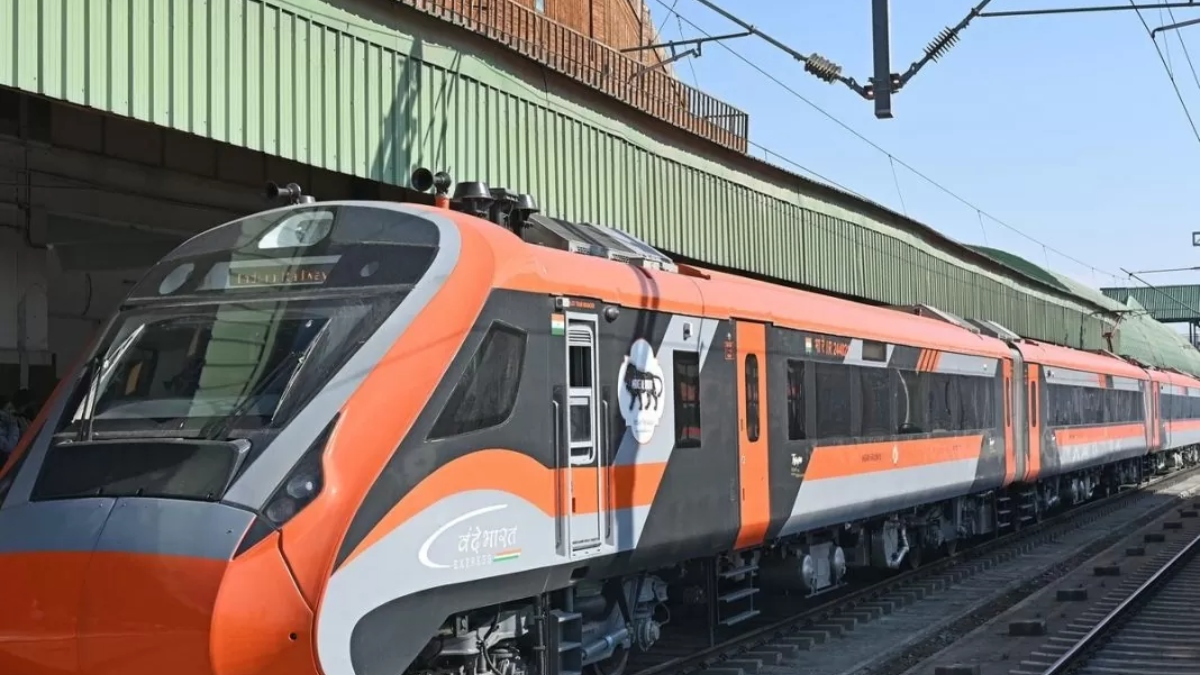
New Delhi To Patna Amrit Bharat Express Set For Regular Service From 31 July
Bihar is poised for a significant upgrade in its rail infrastructure and connectivity, with the recent announcement of five new trains, including four Amrit Bharat Express services. This substantial enhancement aims to provide improved travel options for the state’s populace, connecting key cities within Bihar and extending reach to major destinations across India. The initiative underscores a strategic focus on modernising rail transport, facilitating smoother passenger movement, and bolstering regional economic development, aligning with the broader vision of creating interconnected and sustainable urban and rural landscapes.
The introduction of these new train services is a direct response to the growing demand for efficient and comfortable rail travel in Bihar. Among the newly announced services, a daily Amrit Bharat Express will operate between Patna and Delhi, a crucial link for business, education, and tourism. Additionally, weekly Amrit Bharat trains will connect Darbhanga-Lucknow and Malda Town-Lucknow, enhancing inter-state connectivity. A new Amrit Bharat service will also run between Saharsa and Amritsar, while another will link Jogbani to Erode in Tamil Nadu, significantly expanding Bihar’s reach across diverse regions of the country. This comprehensive expansion is set to transform the travel experience for millions.
Beyond new train services, the railway authorities have also given approval for several crucial infrastructure projects within Bihar. These include the construction of a 53 km long third line between Bhagalpur and Jamalpur, estimated at a cost of ₹1,156 crore. Furthermore, the doubling of the 104 km long Bakhtiyarpur-Rajgir-Tilaiya line, costing ₹2,017 crore, and the doubling of the 177 km long Rampur Hat-Bhagalpur line, with an outlay of ₹3,000 crore, have also received the green light. These infrastructure upgrades are vital for increasing rail network capacity, reducing travel times, and improving operational efficiency across key routes within the state.
The commitment to Bihar’s development extends beyond rail infrastructure. In a move to foster technological growth and employment opportunities, two new Software Technology Parks of India (STPI) are slated for inauguration in the state. These include an STPI facility in Patliputra, developed at a cost of ₹53 crore, and another in Darbhanga, with an investment of ₹10 crore. These technology parks are expected to serve as catalysts for the IT sector, attracting investments, nurturing local talent, and creating a robust ecosystem for innovation and entrepreneurship, thereby contributing to the state’s economic diversification and job creation.
The railway authorities have emphasised that these initiatives are part of a larger national commitment to infrastructure development. Over the past 11 years, more than 33,000 km of new railway lines have been laid across the country, signifying a monumental push to enhance India’s rail network. This extensive development is aimed at providing seamless travel experiences for citizens and supporting the nation’s economic growth trajectory. The focus on modern trains like the Amrit Bharat Express, coupled with significant infrastructure upgrades, reflects a forward-looking approach to rail transport.
Recently, railway officials conducted a surprise inspection of several railway stations in Bihar, including Patna, Hajipur, Muzaffarpur, Samastipur, and Sonpur divisions. This inspection aimed to review the progress of ongoing development works under the Amrit Bharat Station Scheme, which focuses on modernising and upgrading railway stations to provide better passenger amenities and services. Such oversight ensures that projects are on track and meet the desired standards, ultimately benefiting the travelling public.
The expansion of Bihar’s rail network and the establishment of new technology parks are poised to bring about significant socio-economic transformations. Improved connectivity will facilitate easier access to education, healthcare, and economic opportunities for a larger segment of the population, particularly in rural areas. The focus on modern infrastructure and technology also aligns with the broader vision of creating sustainable and equitable urban and rural environments, where efficient transport systems and technological advancements drive inclusive growth and enhance the quality of life for all citizens.