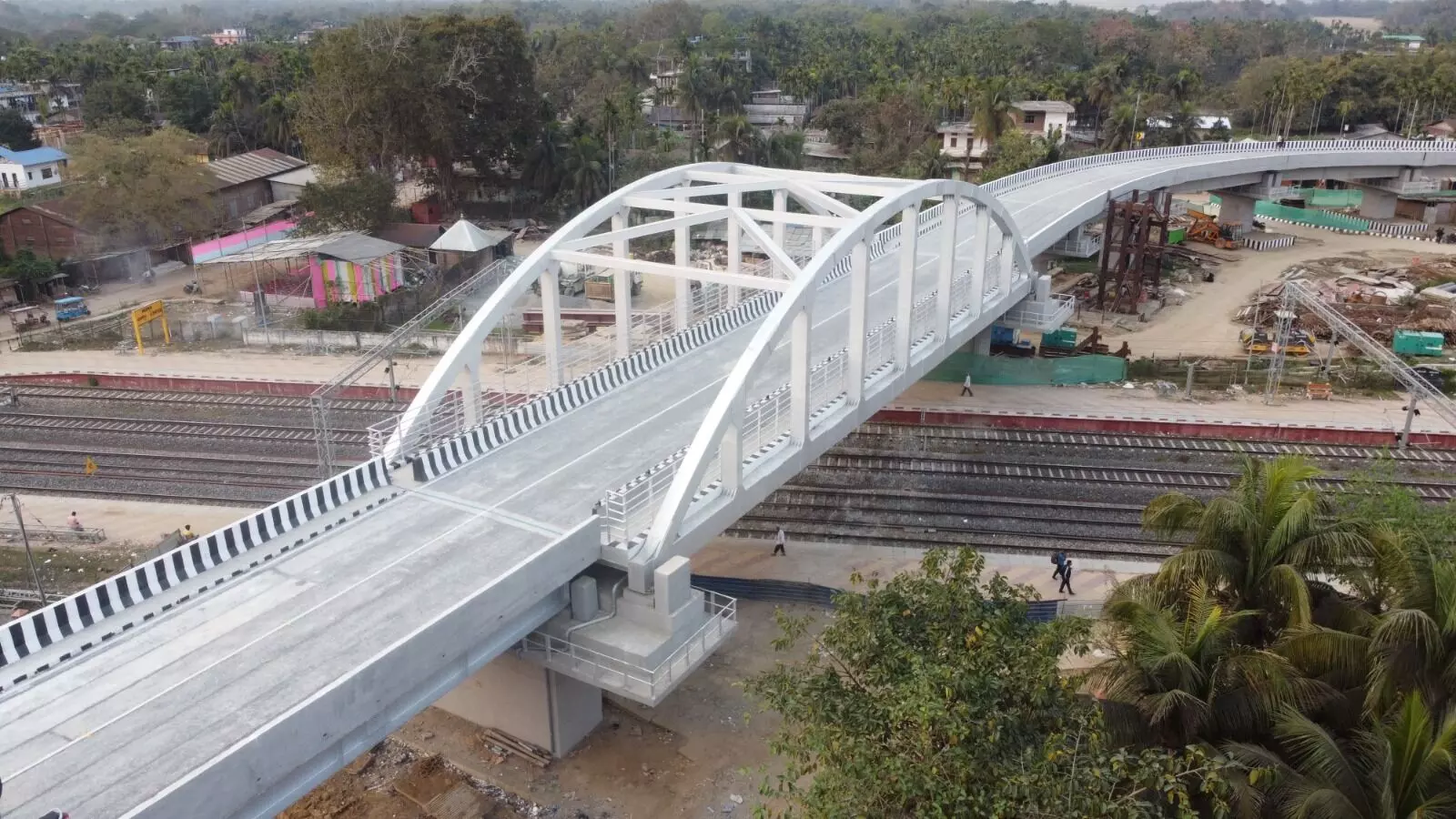
Bihar Railway Overbridge Plan Targets Safer Road Crossings
Bihar’s transport authorities have stepped up coordination with railway agencies to accelerate the rollout of Railway Overbridge projects across the state, as officials review progress on a large pipeline of grade-separation infrastructure aimed at easing traffic congestion and improving road safety.
A recent review meeting between state infrastructure departments and railway officials examined the status of several proposed and ongoing bridges designed to replace level crossings at busy rail intersections. The discussions focused on removing administrative bottlenecks, aligning construction timelines and ensuring smoother coordination between the railways and state road agencies responsible for approach roads and land acquisition. According to officials involved in the review, the state has proposed the construction of railway overbridges at more than 220 locations across Bihar. These projects are part of a broader strategy to reduce dependence on level crossings, which frequently cause traffic delays and safety risks when railway gates close during train movement.
Urban mobility planners note that the rapid expansion of road traffic in Bihar’s cities and district towns has made grade-separated crossings increasingly essential. In many urban corridors, vehicles wait for extended periods at railway gates, creating long queues that affect freight movement, daily commuting and emergency services. By constructing overbridges or underpasses, cities can maintain uninterrupted road flow while ensuring safer rail operations. The Railway Overbridge projects are also linked to the broader modernisation of India’s rail network. As train frequency increases on key routes under electrification and capacity expansion programmes, eliminating level crossings has become a national priority. The Ministry of Railways has encouraged states to identify high-traffic crossings where bridges can significantly reduce operational conflicts between rail and road traffic.
Infrastructure experts say the projects could have significant urban planning implications. Many of the proposed bridges are located near expanding towns and industrial zones where road capacity has struggled to keep pace with economic growth. Once completed, overbridges can reshape traffic patterns by providing uninterrupted mobility corridors that connect residential areas with highways, markets and railway stations. Financing and implementation remain complex, however. Railway overbridge construction typically involves cost-sharing arrangements between the central railways and state governments, while the execution of approach roads is handled by local road development agencies. Coordination challenges between multiple departments have historically contributed to delays in similar infrastructure works.
To address these challenges, the latest review emphasised streamlining approvals and resolving land-related issues early in the project cycle. Officials also discussed improving technical coordination between engineering teams from both sides to ensure that bridge designs and railway safety requirements align before construction begins. For residents in fast-growing towns across Bihar, the success of the Railway Overbridge projects could translate into shorter travel times, fewer traffic bottlenecks and safer road-rail intersections. Urban development specialists note that grade-separated crossings are increasingly viewed as essential infrastructure in cities seeking to modernise transport networks while accommodating rising vehicle volumes.
With planning and coordination efforts now under renewed scrutiny, the pace at which these bridges move from proposal to construction will determine how quickly Bihar’s road network becomes more efficient and resilient.