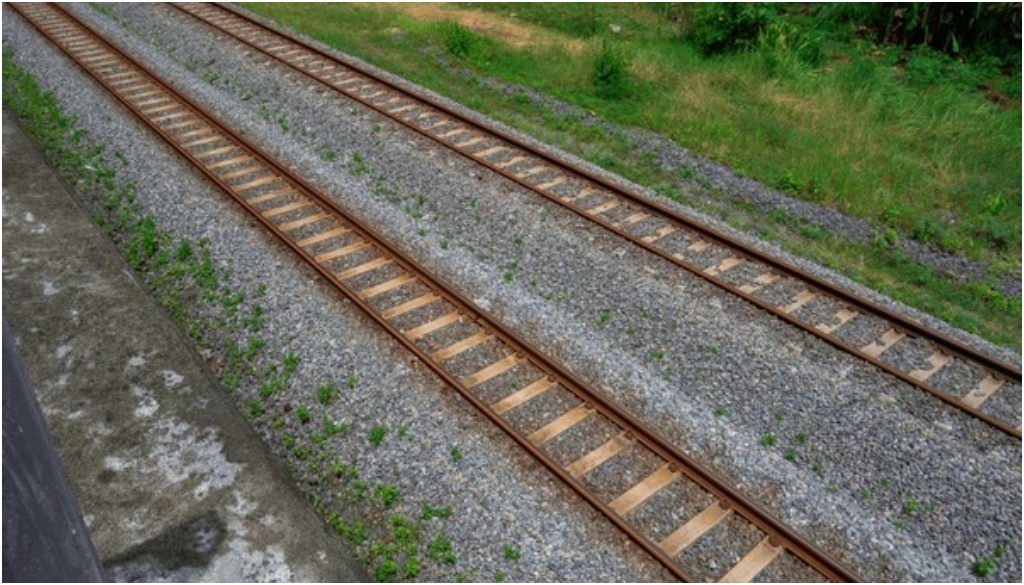
A long-dormant rail corridor in Bihar’s Rohtas district is poised for revival, with Indian Railways approving the reconstruction of the Dehri–Banjari line after nearly four decades. The move is expected to restore regional connectivity while unlocking new economic and tourism opportunities in a district historically tied to industrial logistics.
The first phase of the project will see the development of a 36.4-kilometre stretch, with an estimated investment exceeding ₹110 crore. Officials indicate that the project will be executed in stages, signalling a calibrated approach to infrastructure expansion in a region where legacy transport systems had gradually fallen into disuse. The rail link traces its origins to the early 20th century, when it functioned as part of a light railway network connecting industrial clusters to the national rail grid. At its peak, the corridor played a vital role in moving raw materials such as limestone and bamboo, supporting manufacturing activity in areas like Dalmianagar. Urban and regional planners view the revival as a strategic intervention in reconnecting under-served geographies. The Rohtas region, while rich in natural and cultural assets, has faced constraints due to limited transport infrastructure. Improved rail access is expected to enhance mobility for both passengers and freight, potentially reducing reliance on road-based logistics and lowering associated costs and emissions.
The project also carries implications for tourism-led development. The proposed alignment is expected to improve access to heritage and ecological destinations such as hill forts, waterfalls, and religious sites that remain relatively under-visited due to connectivity gaps. Enhanced rail access could enable more sustainable tourism flows, particularly if integrated with last-mile transport and local economic planning. From an infrastructure governance perspective, the approval signals renewed momentum for projects that had remained stalled despite earlier announcements. The Dehri–Banjari corridor had been under consideration for revival for over a decade, with periodic allocations for surveys and preliminary work but limited execution progress. Experts note that reviving legacy rail infrastructure presents both opportunities and challenges. While existing alignments can reduce land acquisition complexities, modernisation requires upgrades in track design, safety systems, and integration with current rail operations. Ensuring that such projects align with contemporary standards of efficiency and resilience will be critical.
The initiative also reflects a broader shift in India’s infrastructure strategy, where regional connectivity is being prioritised alongside high-capacity corridors. By reconnecting smaller nodes to the national network, such projects can stimulate local economies, support decentralised growth, and reduce pressure on major urban centres. For Rohtas, the rail revival is likely to have a multi-layered impact—improving access, enabling economic diversification, and strengthening its position within Bihar’s evolving infrastructure landscape. The next phase will depend on timely execution, coordinated planning, and the ability to translate connectivity gains into inclusive and sustainable development outcomes.