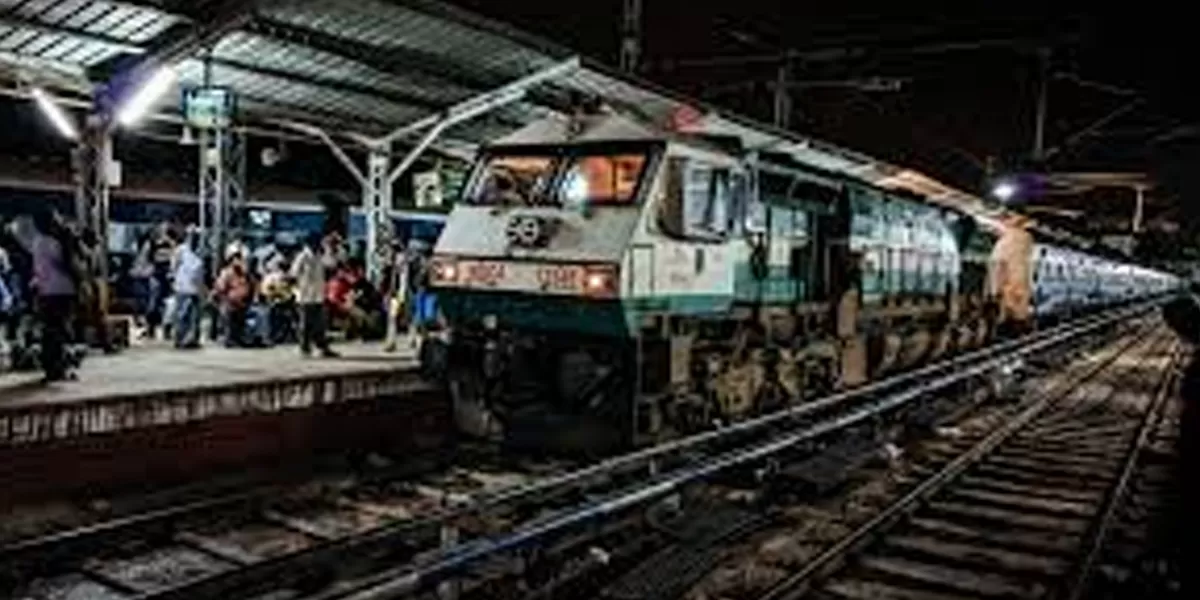
Bihar Rail Development Shapes Regional Connectivity Future
Patna, Bihar — A wave of strategic investments and infrastructure initiatives is reshaping Bihar’s railway network, signalling a pivotal shift in the state’s transport framework with implications for urban integration, economic mobility, and climate-resilient transit.
Over the last year, authorities have accelerated station modernisation, electrification upgrades, and safety enhancements across major nodes, positioning Bihar’s rail corridors as critical arteries for inclusive regional growth. Rail infrastructure funding for Bihar has crossed the ₹10,000-crore threshold for the upcoming fiscal cycle, reflecting New Delhi’s renewed emphasis on strengthening Eastern India’s transport backbone. This allocation is earmarked for track doubling, station redevelopment, signaling systems, and passenger amenities — elements that collectively aim to boost operational efficiency and capacity on one of the nation’s busiest rail grids. Station modernisation remains central to Bihar’s broader transport vision.
Projects under the national Amrit Bharat Station Scheme and other state partnerships are transforming hubs such as Pirpainti and Supaul with expanded circulating areas, accessibility upgrades, and passenger services designed for comfort and rapid transit integration. At Patna Junction, plans for a multimodal transport hub are gaining traction. Detailed planning envisions a connected network of pedestrian subways, multi-level parking, and bus rapid transit linkages to alleviate road congestion and promote seamless intermodal transfers. Such reconfigurations underscore a strategy to align rail stations with urban mobility needs, reducing reliance on fossil fuels and encouraging public transport usage. Electrification milestones further underline the sustainability dimension of rail expansion.
Complete electrification of Bihar’s rail routes has been reported, potentially lowering carbon emissions and enhancing energy efficiency — an important step for a region experiencing rapid demographic and economic growth. However, expansion is not without operational challenges. Recent security incidents and service disruptions have highlighted gaps in passenger protection and the urgency for upgraded surveillance and emergency response systems. While many stations have increased security protocols, sustained focus on safety infrastructure — especially in high-traffic hubs — remains a pressing priority. Looking ahead, proposed high-speed corridors linking Bihar to neighbouring states aim to reduce travel times and catalyse economic linkages across northern and eastern India. Such corridors, if realised, would dovetail with station upgrades to create a more integrated and sustainable rail ecosystem.
For commuters and regional planners alike, these initiatives represent more than construction milestones. They are part of a long-term effort to modernise rail infrastructure in ways that support sustainable urbanisation, equitable access to mobility, and resilience in the face of climate pressures. Delivering on these ambitions will require synchronised policy actions, adequate funding flows, and sustained engagement with local communities as the network evolves into a cornerstone of Bihar’s inclusive economic future.