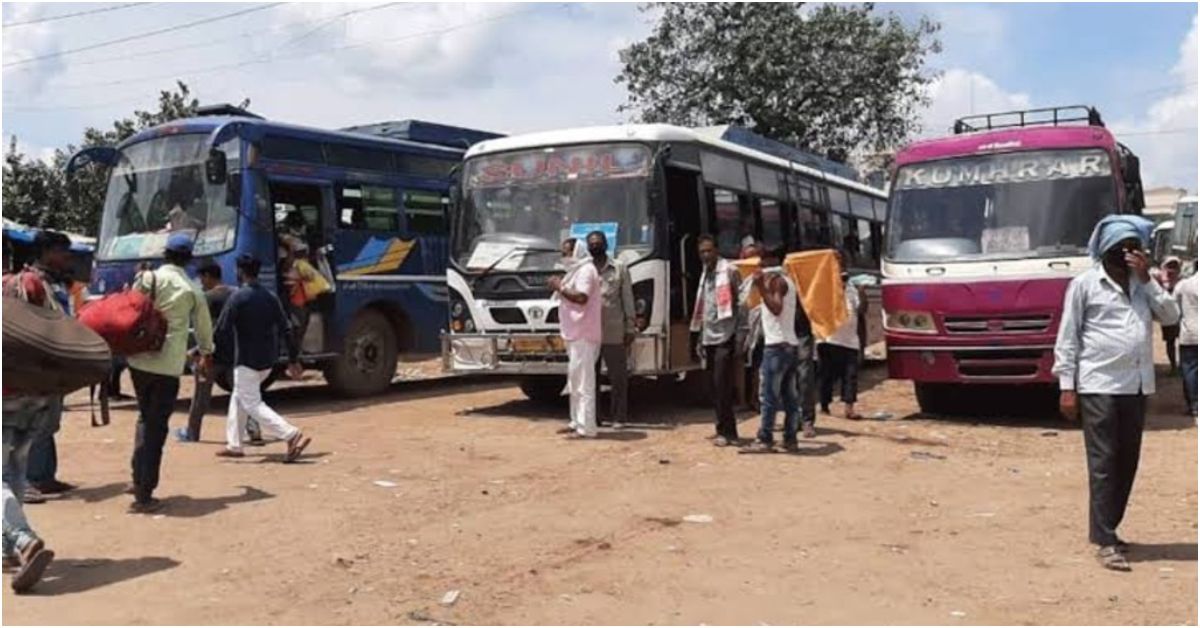
Bihar Public Transport Rules Tighten During Heatwave
Bihar is moving to restrict public transport operations as part of a broader heatwave-preparedness strategy, with authorities introducing safety-focused measures aimed at protecting passengers during extreme summer conditions. The decision matters because the state’s cities depend heavily on buses, shared vehicles and short-distance rail services, meaning any disruption has immediate social and economic consequences for daily commuters.
Officials involved in the planning say the new public transport restrictions are being introduced alongside health and disaster-management measures already in place for the coming summer. A recent high-level review by the state administration directed departments including transport, urban development and health to coordinate preventive action, such as drinking-water facilities at bus stands and major public spaces where passengers are most exposed to high temperatures. The new guidelines linked to the Bihar public transport restrictions focus primarily on passenger safety rather than cutting services entirely. Transport authorities are expected to limit overcrowding, ensure better ventilation in buses and reduce operations during the most extreme afternoon hours in districts where temperatures regularly exceed 40°C. Similar heat-related decisions were taken last year when district administrations curtailed school timings and other outdoor activities after temperatures crossed dangerous levels.
Urban planners say the move highlights a structural issue faced by fast-growing cities in eastern India. Unlike larger metropolitan regions where air-conditioned metro systems dominate short-distance travel, many Bihar cities still rely on conventional bus networks, auto-rickshaws and informal shared transport. This means passengers often travel in crowded conditions without protection from heat, making them more vulnerable to dehydration, heatstroke and other health risks during prolonged summer periods. Transport-sector observers also point out that the restrictions come at a time when the state is trying to expand public transport services rather than reduce them. In recent months, authorities have launched subsidised AC bus services for inter-state travel, strengthened safety rules such as panic buttons and tracking systems, and introduced stricter enforcement of vehicle permits. The heat-related restrictions therefore reflect an attempt to balance passenger safety with the need to maintain mobility in densely populated urban corridors. The wider implication is that climate-related disruptions are beginning to shape transport policy more directly. Extreme heat has already forced changes in school schedules and hospital preparedness across the state, and transport networks are now being treated as part of the same climate-risk framework rather than a separate sector.
For commuters, the immediate impact will depend on how the Bihar public transport restrictions are implemented at the district level. If managed carefully, the measures could reduce health risks without significantly affecting mobility. In the longer term, the policy shift may strengthen the case for climate-resilient public transport systems — including better shelters, cleaner buses and safer travel conditions — as cities across eastern India prepare for increasingly severe summers.