Bihar PHC Medicine Dumping Exposes Rural Healthcare Gaps
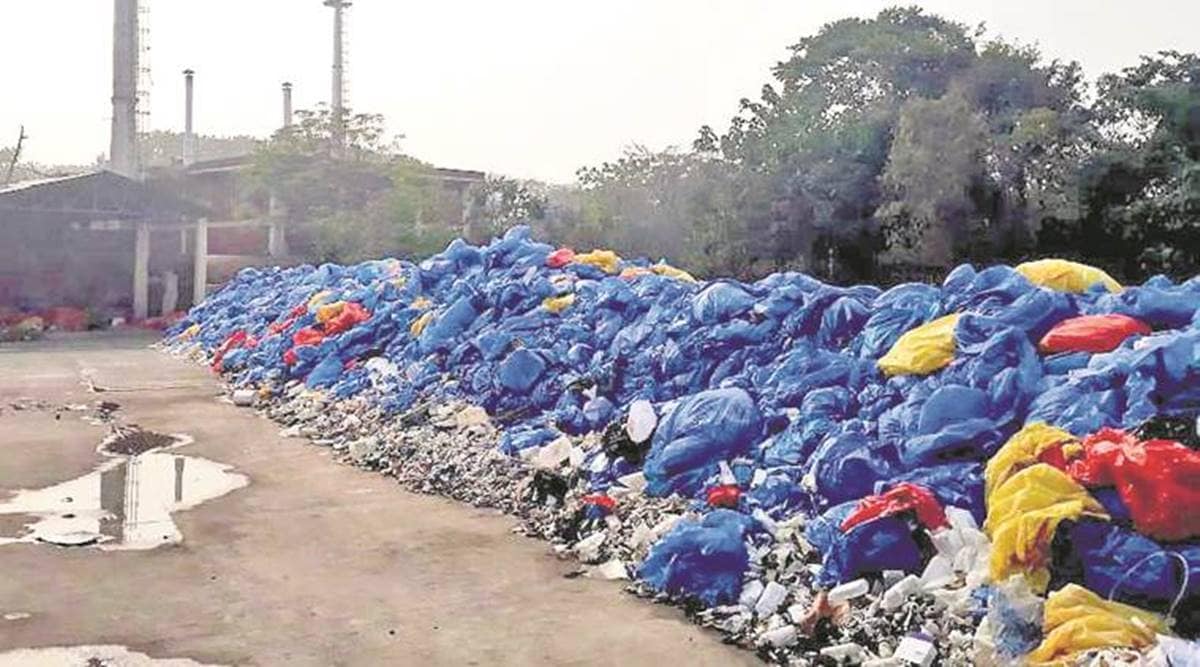
A case of medicines allegedly being dumped near a primary health centre in Bihar’s Ranabigha area has triggered fresh concerns about how public-sector drug supplies are managed at the grassroots level.
The incident, which involves unused medicines reportedly found discarded instead of being distributed to patients, highlights structural weaknesses in storage, monitoring and last-mile delivery across rural healthcare facilities. The episode comes at a time when the state government has been promoting a digitised medicine-supply system intended to ensure that drugs reach patients without shortages or delays. Official updates earlier this year said more than 14,000 public health institutions had been integrated into a digital tracking network to monitor medicine availability and movement in real time. The Ranabigha PHC case, however, points to a gap between policy design and implementation on the ground. Rural health centres often struggle with inadequate storage conditions, irregular supply cycles and weak stock-management practices.
When supplies exceed local demand or arrive close to expiry dates, medicines can remain unused or be discarded instead of being redistributed to nearby facilities where demand is higher. Such incidents are not isolated. Over the past few months, similar cases have surfaced across Bihar and neighbouring states, where expired or unused government medicines were found stored improperly or dumped outside health facilities. In one recent case in Munger district, authorities ordered an inquiry after villagers alleged that expired medicines had been distributed at a health and wellness centre. Another case in East Champaran saw large quantities of expired medicines recovered from a community health facility, prompting inspections by district officials. Public-health audits at the national level have repeatedly highlighted these weaknesses.
A performance audit by the national auditor had earlier flagged problems in medicine procurement and storage systems in multiple states, including Bihar, noting the absence of proper quality-testing and monitoring mechanisms. Health-policy experts say the issue is not just about administrative negligence but also about infrastructure. Many primary health centres still lack basic storage facilities such as temperature-controlled rooms, dedicated drug warehouses and trained pharmacists. As a result, medicines often reach patients late or not at all, while unused stock becomes waste. The implications go beyond financial loss. In rural districts, primary health centres are often the only accessible medical facility for low-income households. When medicines are wasted or not distributed efficiently, patients are forced to purchase drugs privately—raising healthcare costs and reducing trust in public health services.
The Ranabigha incident therefore reflects a broader challenge facing the public healthcare system: how to ensure that expanding drug-supply programmes translate into reliable access at the last mile. As the state continues to digitise health logistics, the focus is likely to shift toward accountability at the facility level—especially in rural areas where effective distribution can make the difference between policy success and patient hardship.