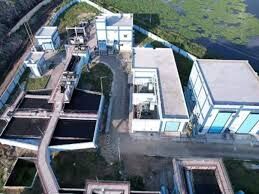
Bihar has launched a statewide monitoring drive to accelerate the completion of river sanitation infrastructure under the Namami Gange project inspection, as authorities push to finish key sewage and drainage works before the monsoon season.
The initiative, led by the state’s urban infrastructure agency, involves multiple inspection teams travelling across districts to review progress on sewerage treatment plants and interception systems designed to prevent untreated wastewater from entering the Ganga. The move forms part of a broader “Mission Project Completion” effort aimed at resolving delays and ensuring that ongoing infrastructure projects meet both quality and timeline targets. Under the programme, engineering teams and senior officials are conducting regular field visits to assess construction progress, identify bottlenecks and verify the quality of work at project sites. Authorities have emphasised that these inspections will continue on a weekly basis until critical works under the river rejuvenation programme reach completion. The Namami Gange project inspection process focuses largely on sewage treatment plants and interception and diversion networks — infrastructure designed to capture wastewater flowing through urban drains and redirect it to treatment facilities.
These systems play a key role in improving water quality in the Ganga by preventing untreated effluent from entering the river through city drainage channels. Urban development specialists note that such infrastructure is increasingly vital as cities expand along riverbanks. Rapid urbanisation has significantly increased wastewater generation, placing pressure on existing sanitation networks and contributing to pollution in major rivers. In Bihar, multiple cities along the Ganga basin are part of the river conservation programme, with projects aimed at building treatment plants, sewer networks and pumping stations capable of handling millions of litres of wastewater every day. Similar initiatives across the basin have created treatment capacity of hundreds of millions of litres per day, reflecting the scale of urban sanitation upgrades required to protect the river ecosystem.
For state authorities, the inspection campaign is intended to address two recurring challenges in large infrastructure projects: construction delays and uneven quality standards. Officials overseeing the programme have directed engineers and contractors to remain on high alert to resolve technical hurdles, coordinate between agencies and maintain strict monitoring of project milestones. The drive also reflects a growing recognition that river health and urban development are closely linked. Effective sewage treatment systems not only improve environmental conditions but also reduce public health risks, strengthen urban sanitation networks and support more sustainable city growth. Urban planners argue that riverfront cities such as Patna face increasing pressure to manage wastewater responsibly as population density rises and climate change intensifies rainfall patterns that can overwhelm drainage systems.
By accelerating construction and strengthening oversight, Bihar’s Namami Gange project inspection initiative aims to ensure that critical sanitation infrastructure becomes operational before peak monsoon flows. If completed on schedule, these projects could play a crucial role in improving river water quality while building a more resilient urban water management system across the state.