Nagpur Healthcare Upgrade Expands Diagnostic Access Through CSR
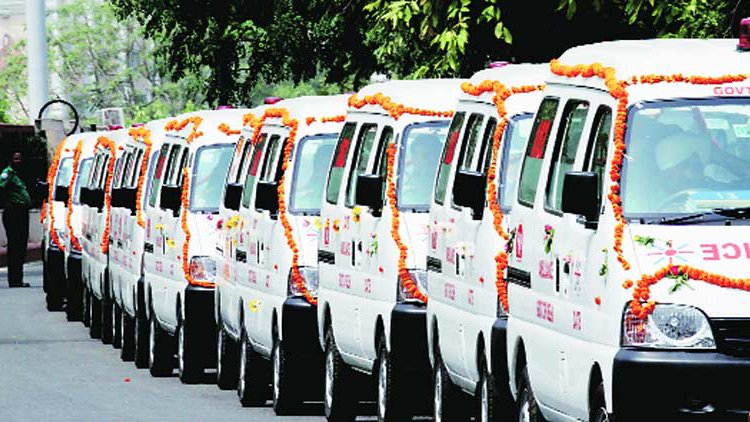
Bihar is preparing to expand its emergency medical response network with the addition of 124 BLS ambulances in Bihar, a move expected to strengthen pre-hospital care across both urban centres and remote districts.
Health authorities say the new Basic Life Support (BLS) ambulances will be integrated into the state’s existing emergency transport system, increasing the total number of operational ambulances to more than 2,000 vehicles. The expansion is designed to improve response times and ensure faster patient transfers from accident sites or primary health facilities to hospitals. The decision comes as demand for emergency transport continues to rise alongside population growth, road traffic and expanding healthcare access across the state. Public health planners note that ambulance availability plays a critical role in survival outcomes during medical emergencies, particularly in trauma, cardiac events and pregnancy-related complications. The BLS ambulances in Bihar will be equipped with essential emergency care equipment such as oxygen supply systems, stretchers and monitoring devices to stabilise patients during transport.
Basic Life Support vehicles typically provide immediate medical assistance for patients who require urgent but not highly specialised life-saving interventions during transit to hospitals. Officials involved in the rollout say the vehicles will be strategically distributed across districts to ensure balanced coverage between urban centres and rural areas. Several districts currently depend on limited ambulance availability, which can delay emergency transfers from community health centres to higher-level hospitals. India’s emergency ambulance networks are commonly linked to integrated public health helplines such as the “108” emergency service, which connects callers to medical response teams, ambulances and disaster support systems through a single platform. Expanding ambulance fleets is considered essential for improving the efficiency of these systems, particularly in states with large rural populations.
Urban health specialists note that emergency transport infrastructure is increasingly viewed as a key component of resilient healthcare systems. Rapid urbanisation, higher vehicle density and expanding industrial activity have increased the frequency of accidents and health emergencies, placing greater pressure on ambulance networks. In many parts of Bihar, ambulances also serve as a vital link between primary healthcare centres and tertiary hospitals located in larger cities such as Patna, Darbhanga and Gaya. Strengthening the fleet can therefore reduce delays in referrals and improve access to advanced medical treatment.
The introduction of additional ambulances also aligns with broader efforts to upgrade healthcare infrastructure in the state. In recent years, authorities have expanded hospital capacity, launched digital health platforms and improved diagnostic facilities across government medical institutions. Public health experts say such investments are crucial as states work to build healthcare systems capable of responding to both everyday emergencies and large-scale crises such as disease outbreaks or climate-related disasters.
Once deployed, the new BLS ambulances in Bihar are expected to reinforce the state’s emergency transport network and improve the reach of timely medical assistance across urban and rural communities alike.