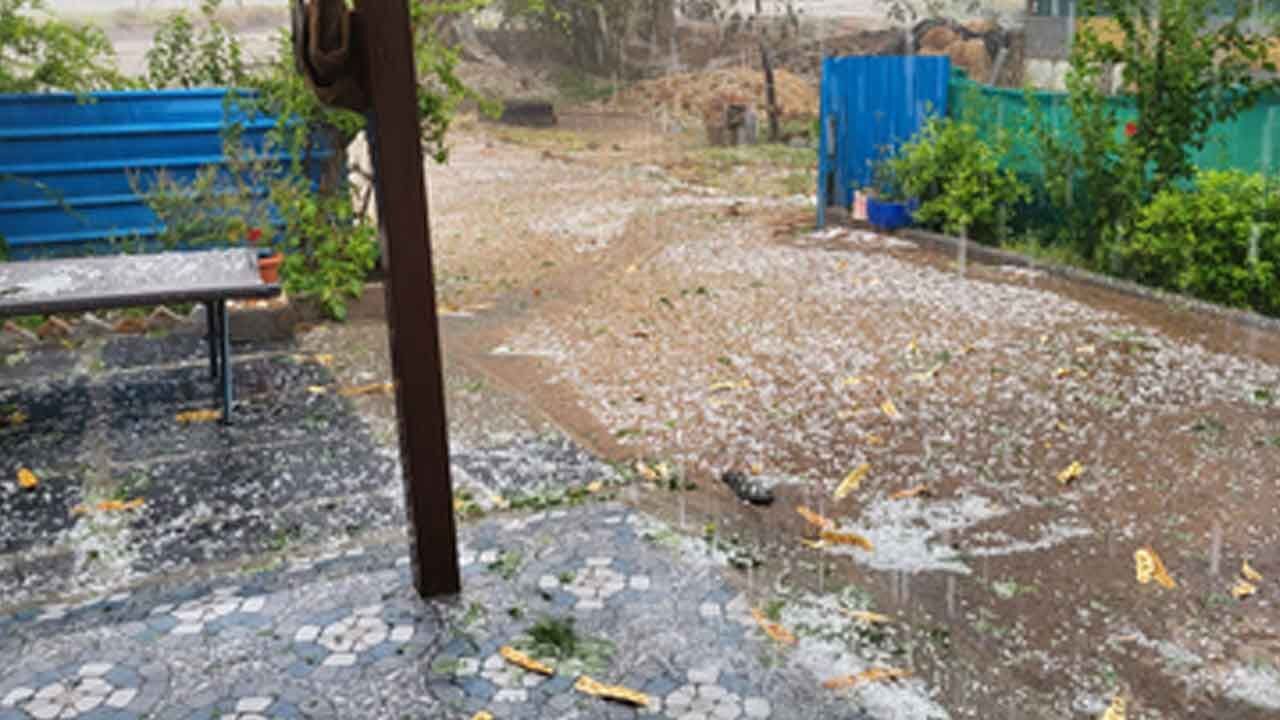
A sudden shift in early April weather patterns across Bihar has prompted fresh alerts from the India Meteorological Department, with forecasts warning of thunderstorms, strong winds, and possible hailstorms in multiple districts. The development marks a departure from the recent heat buildup, underscoring growing volatility in seasonal transitions and its implications for urban resilience.
Meteorological assessments indicate that the changing conditions are being driven by active atmospheric systems, including western disturbances interacting with moisture-laden winds. These systems are expected to trigger rainfall, lightning, and gusty winds, with speeds potentially reaching damaging levels in some areas. For cities like Patna and Gaya, the sudden weather shift is more than a seasonal anomaly—it exposes structural vulnerabilities in urban infrastructure. Strong winds and hail events can disrupt power supply, damage informal housing, and strain drainage systems, particularly in areas already facing rapid and unplanned urbanisation. Experts note that such pre-monsoon disturbances are becoming increasingly erratic, complicating preparedness strategies.
Recent weather events across eastern and northern India suggest a broader pattern of instability. Storm activity accompanied by hail and lightning has already caused crop damage and isolated fatalities in parts of Bihar, highlighting the intersection of climate variability with both rural and urban risk systems. Urban planners point out that while rainfall can temporarily ease heat stress and improve air quality, the intensity and unpredictability of such events often outweigh the benefits. Sudden downpours can overwhelm stormwater infrastructure, leading to waterlogging and mobility disruptions, while lightning and wind events pose direct safety risks in dense neighbourhoods.
The evolving weather dynamics also have economic implications. Construction schedules, transport services, and informal sector activities—many of which operate outdoors—face disruption during such extreme conditions. For a state investing heavily in urban infrastructure expansion, weather volatility introduces new layers of uncertainty in project timelines and asset durability. From a climate resilience perspective, the current alert reinforces the need for cities to integrate weather forecasting into urban planning frameworks. Early warning systems, resilient electrical networks, and adaptive drainage design are increasingly critical as extreme weather events become more frequent outside traditional monsoon cycles.
Authorities have advised residents to remain cautious during storm periods, avoid open areas during lightning activity, and secure loose structures. As Bihar navigates this seasonal transition, the focus is likely to shift towards strengthening preparedness mechanisms that can respond to both heatwaves and sudden storm events—often within the same climatic window.