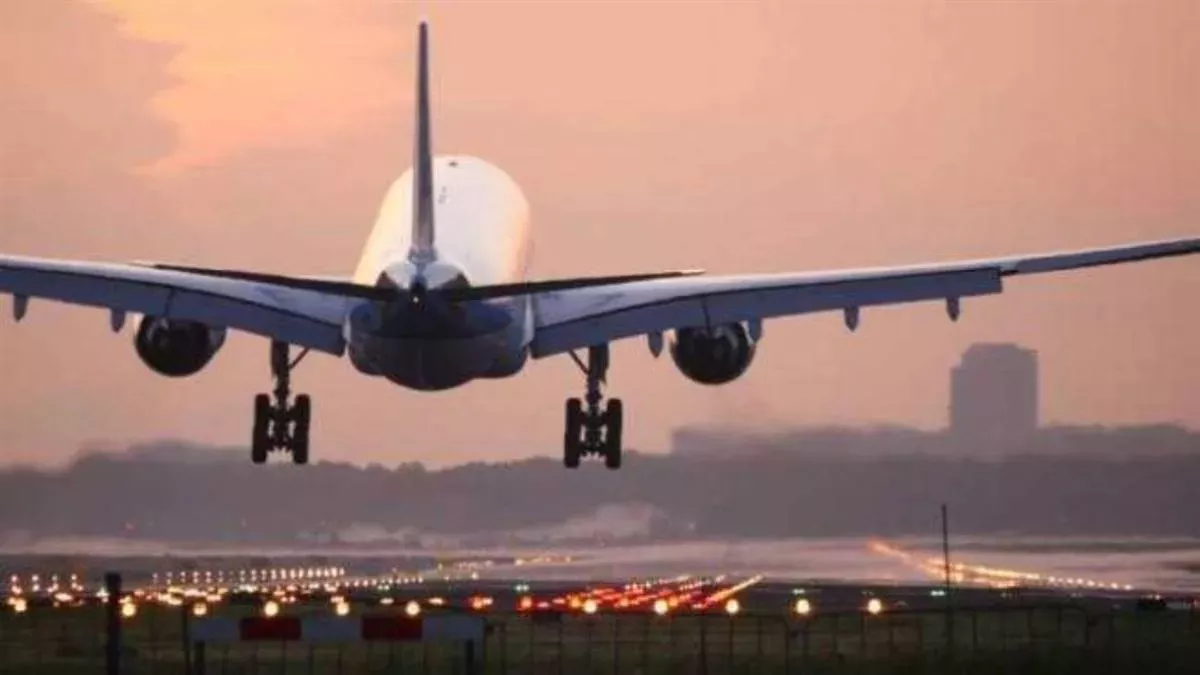
Bihar Governments Plan to Build Airport at Forbesganj Near Nepal Border
The Bihar government is advancing plans for a new airport at Forbesganj in the Araria district, a region with close proximity to the Nepal border. This initiative is a clear signal of the government’s commitment to extending the benefits of modern infrastructure to underserved areas, thereby fostering equitable development and strengthening the socio-economic fabric of the state. The project, which involves redeveloping a decades-old airstrip, represents a crucial step towards unlocking the region’s economic potential and integrating it more closely with the national transport grid. This strategic development aligns with the broader goal of creating more sustainable and inclusive cities by ensuring that even border towns have access to essential connectivity.
The proposed airport at Forbesganj is poised to become the fourth operational airport in Bihar, following Patna, Gaya, and the soon-to-be-inaugurated facility at Purnia. The district administration has already submitted a report on the land status to the state’s civil aviation directorate, with a significant portion of the required land already secured. This logistical readiness is a positive indicator that the project is moving beyond the planning stage. The development of this new air link is expected to provide direct connectivity to major cities like Delhi, which will be a boon for local businesses, students, and professionals. It will also facilitate easier access for tourists, potentially boosting the region’s nascent tourism sector. By providing a low-friction mode of transport, the airport will reduce travel times and promote a more efficient flow of people and goods, thereby reducing the dependency on more polluting road transport for long distances.
The chosen site for the airport holds historical significance, with an existing airstrip that dates back to the 1960s. Its previous use, though brief, provides a solid foundation for the new project. The current plan involves revitalising this existing infrastructure rather than starting from scratch, which is a more sustainable approach to development. It conserves resources and leverages past investments, aligning with principles of circular urban planning. The proximity of Forbesganj to the Nepal border also adds a strategic dimension to the project. Improved air connectivity could facilitate cross-border trade and strengthen diplomatic and economic ties with the neighbouring country, opening up new avenues for regional cooperation and growth.
While the new airport promises significant economic benefits, it is crucial that its development adheres to a zero-net-carbon and eco-friendly framework. Modern airport design and operations can incorporate features such as rainwater harvesting, solar power generation, and waste management systems to minimise their environmental footprint. Additionally, the project’s success will depend on robust last-mile connectivity and the development of public transport links to and from the airport, ensuring it serves the public at large and not just a privileged few. By integrating the airport with existing and future rail and road networks, the city can create a truly equitable and multi-modal transport system. The planned development of the Forbesganj airport is a significant step towards building a resilient, modern, and inclusive Bihar.