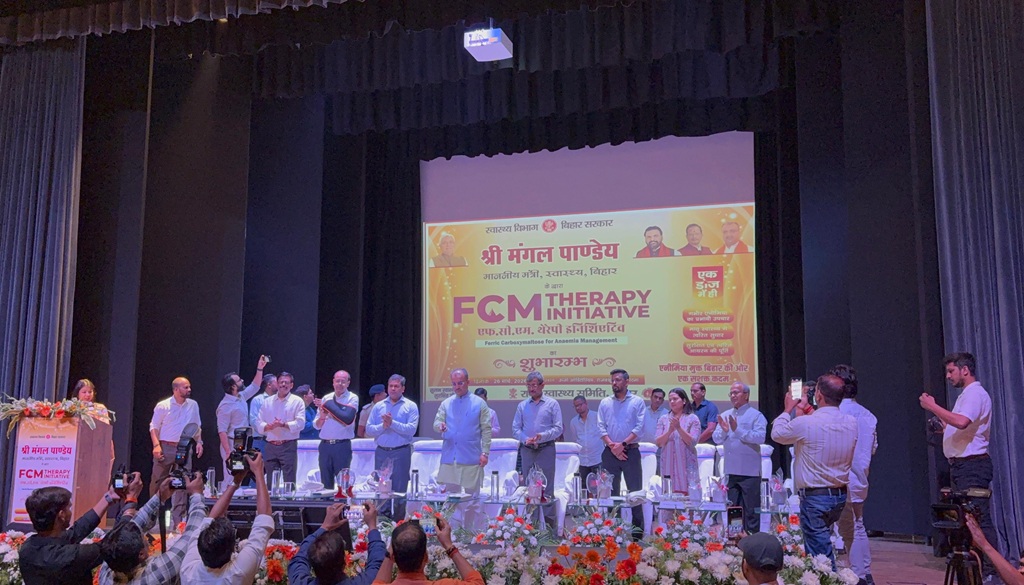
Bihar is preparing to scale up the use of FCM therapy as part of its strategy to address one of the country’s most persistent public-health challenges: widespread anaemia among women and children. The initiative signals a shift from routine iron supplementation to more targeted medical interventions, especially for moderate and severe cases that have remained difficult to treat through conventional programmes.
The move comes against the backdrop of alarming health indicators. According to National Family Health Survey data cited in recent reports, nearly 64% of women and about 69% of children in Bihar are anaemic, placing the state among the worst-affected in the country. For policymakers, the scale of the problem has made anaemia not only a medical issue but also a long-term economic and social concern, affecting workforce productivity, maternal health, and child development outcomes. FCM therapy—which refers to ferric carboxymaltose delivered through intravenous infusion—is already recommended in national guidelines for treating moderate and severe iron-deficiency anaemia, particularly in pregnant and lactating women. Official operational guidelines note that intravenous iron such as FCM is used when oral iron tablets fail to improve haemoglobin levels or are not tolerated, and the treatment can help improve haemoglobin levels within days. Health officials in the state say the current strategy is focused on strengthening institutional treatment rather than relying solely on mass-distribution programmes.
The plan is expected to prioritise pregnant women, adolescent girls, and patients with severe iron deficiency, groups that account for the largest share of anaemia-related health risks. Similar programmes using FCM injections have already been rolled out in other states, where governments have opted to provide the therapy free of cost to eligible patients to reduce maternal health risks. The policy also reflects a broader shift in how public health challenges are being addressed in rapidly growing states such as Bihar. Urbanisation and population growth have increased pressure on district hospitals and primary health centres, where anaemia remains one of the most common diagnoses among women seeking treatment. Recent health-infrastructure announcements — including new blood banks and expanded hospital capacity — suggest that the government is trying to link treatment programmes with stronger institutional capacity. Public-health experts argue that the success of the FCM therapy push will depend less on policy announcements and more on execution. Effective screening, follow-up care, and trained frontline health workers will be critical to ensure that treatment reaches the most vulnerable populations, particularly in smaller towns and rural districts where health outcomes remain weakest.
If implemented consistently, the wider use of FCM therapy could help reduce maternal mortality risks, improve productivity, and strengthen long-term human-capital development. The next phase will be ensuring that treatment programmes are backed by reliable healthcare infrastructure — a factor that will determine whether Bihar can move from short-term interventions to sustained improvements in public health outcomes.