


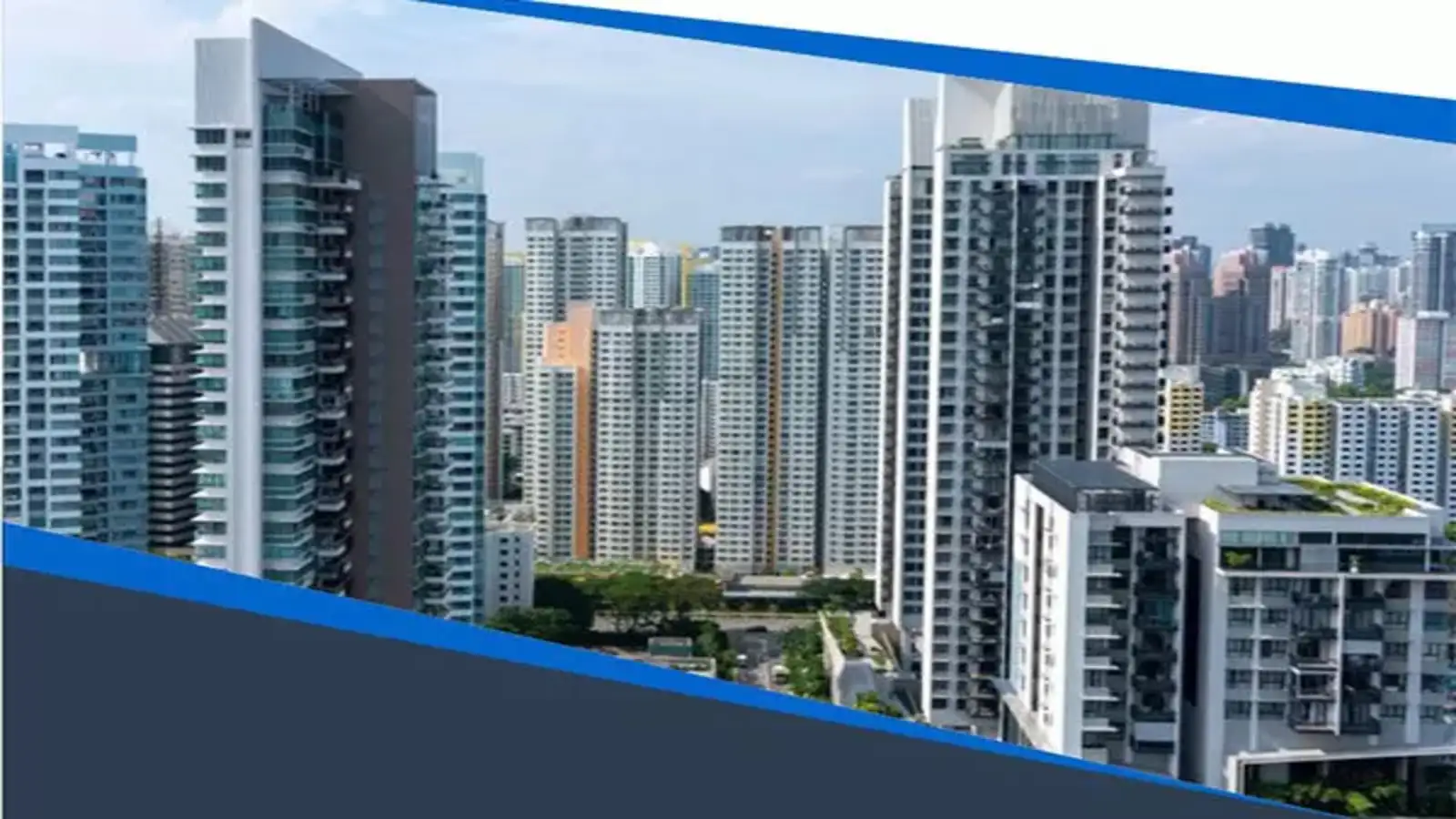
A large mixed-use development planned in Faridabad has secured Rs 170 crore in institutional financing, signalling renewed confidence in organised urban growth across the southern National Capital Region. The capital infusion, structured as real estate credit, will support construction and operational requirements for the project, reflecting how developers are increasingly relying on structured finance to navigate a more disciplined real estate cycle.
Faridabad, once considered peripheral to the NCR’s core markets, has emerged as a focal point for new urban investment as transport links, industrial corridors and residential demand converge. Urban planners note that the city’s transition is being driven less by speculative housing and more by integrated formats that combine commercial, retail and residential functions within a single precinct. Such models are viewed as more resilient to market volatility while offering employment proximity and reduced commuting pressures. The funding transaction was facilitated by a global property advisory firm, highlighting the growing role of professional intermediaries in India’s real estate capital markets. Industry experts say structured credit has become a preferred instrument for developers with approved projects and clear execution timelines, especially as traditional equity funding has grown more selective. Institutional investors backing the Faridabad development see mixed-use formats as better aligned with contemporary urban needs. Demand is increasingly shaped by households seeking walkable neighbourhoods, access to services and flexible work environments rather than standalone residential assets. This shift is particularly visible in NCR’s peripheral cities, where land availability allows for master-planned developments that are difficult to execute in denser urban cores.
From a sustainability perspective, integrated projects also offer opportunities to optimise energy use, reduce car dependency and incorporate shared infrastructure such as district cooling, waste management and water recycling. Urban development specialists caution, however, that these benefits materialise only when local authorities enforce planning norms and developers commit to long-term operational standards rather than short-term sales targets. The financing platform behind the deal has been steadily expanding its exposure to post-approval real estate projects across multiple Indian cities, focusing on partnerships with developers that demonstrate execution capability and balance sheet discipline. Market observers see this approach as indicative of a broader recalibration underway in real estate finance, where capital is increasingly channelled toward lower-risk, later-stage developments. For Faridabad, the project adds to a pipeline of mixed-use and commercial assets expected to reshape the city’s economic profile over the next decade. Improved road connectivity, metro extensions and proximity to employment hubs are already altering housing demand patterns, drawing both end-users and long-term investors.
As Indian cities grapple with rapid expansion, transactions like this underscore the importance of aligning private capital with responsible urban development. The success of such projects will ultimately depend on whether they deliver inclusive growth, environmental efficiency and liveable urban form benchmarks that are becoming central to how India’s next generation of cities is financed and built.
Also Read: India Real Estate Slowdown Masks Developer Strength
