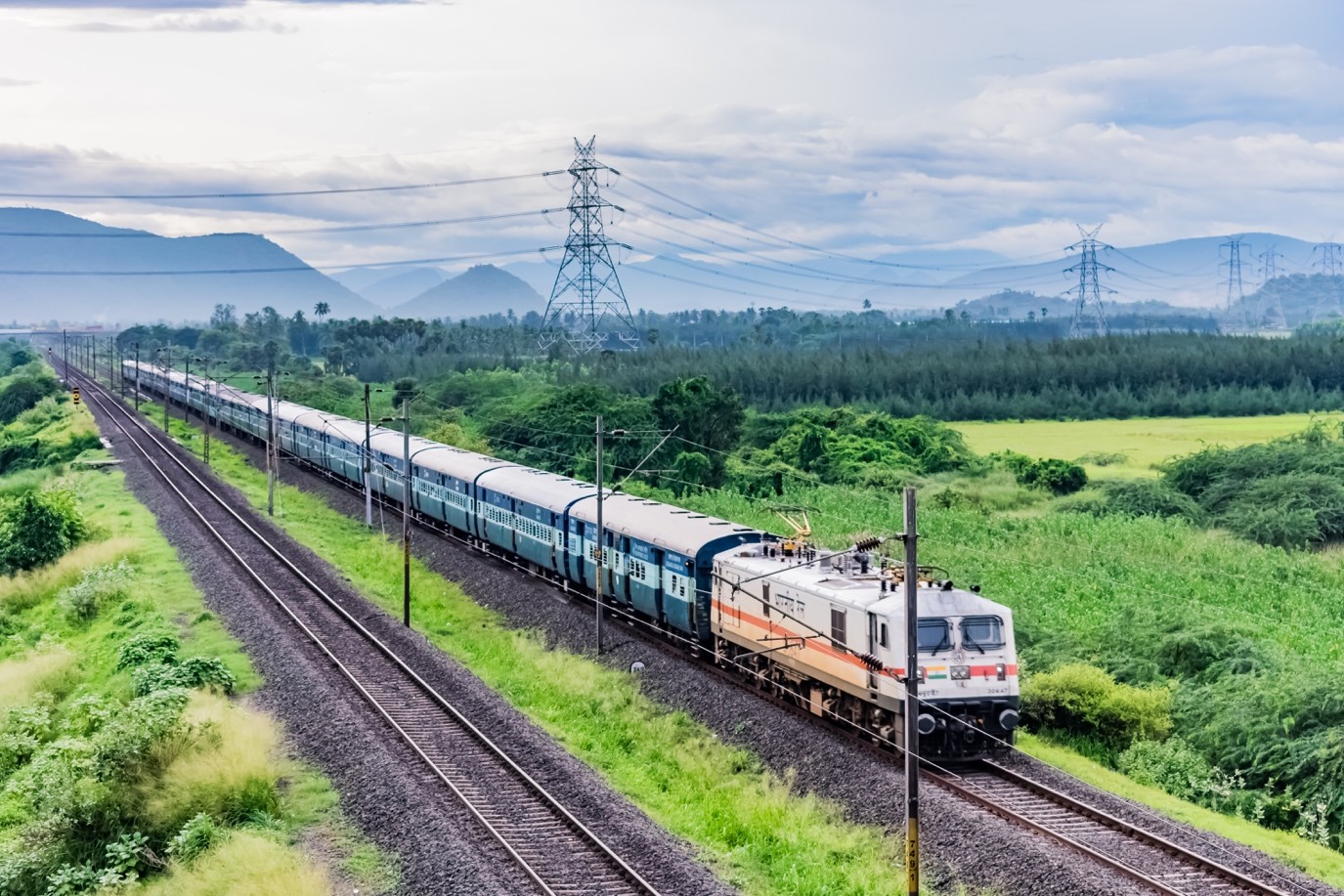
India’s national rail network has expanded regular passenger connectivity to eastern India with the formalisation of two train services linking Bhubaneswar and Puri to major industrial and commercial centres. The decision to convert previously temporary trains into scheduled services reflects growing demand for stable intercity mobility across the region and signals a wider effort to strengthen economic and tourism corridors connecting eastern India with northern markets.
According to railway authorities, the services connecting Dhanbad and Patna will now operate as regular timetable trains rather than special services. One of the routes will run daily, while the other is scheduled on a weekly basis, improving travel predictability for commuters, migrant workers and business travellers moving between mineral-rich eastern districts and urban centres. Officials familiar with the decision said the move was part of a broader strategy by Indian Railways to stabilise routes that had earlier been introduced temporarily to address seasonal demand and pandemic-era travel disruptions. With passenger numbers rebounding across the national network, converting these routes into permanent services allows better planning of rolling stock, crew allocation and station infrastructure.For Bhubaneswar rail connectivity, the regularisation carries implications beyond passenger convenience. Transport economists note that eastern India’s urban growth corridors depend heavily on rail mobility due to the region’s dispersed industrial clusters and large workforce migration patterns.
Regular train schedules make commuting more reliable for workers travelling between resource-based economies such as coal and steel regions and administrative or service-sector cities. Urban planners say predictable rail links can also influence real estate activity and tourism flows. Cities like Puri already attract large seasonal pilgrim movements, while Bhubaneswar’s expanding institutional, technology and healthcare sectors draw professionals and students from across eastern and northern India. Reliable Bhubaneswar rail connectivity therefore helps integrate these cities into wider economic networks while easing pressure on highways. The decision also aligns with national transport goals that prioritise rail travel as a lower-carbon alternative to road transport. By encouraging passengers to shift from long-distance buses or private vehicles to trains, railway expansion supports efforts to reduce congestion and emissions along heavily travelled inter-state corridors. State administrators have indicated that improved connectivity will help strengthen tourism circuits linking coastal destinations with cultural and historical sites across eastern India.
Industry observers believe the formalisation of these services could encourage further upgrades in station infrastructure, last-mile mobility and transit-oriented urban development around key railway hubs. As passenger demand continues to grow, the regularisation of previously temporary routes may become a recurring policy tool for Indian Railways. For cities such as Bhubaneswar, the move underscores how rail infrastructure remains central to shaping regional mobility, economic exchange and sustainable urban expansion across India’s fast-growing eastern corridor.