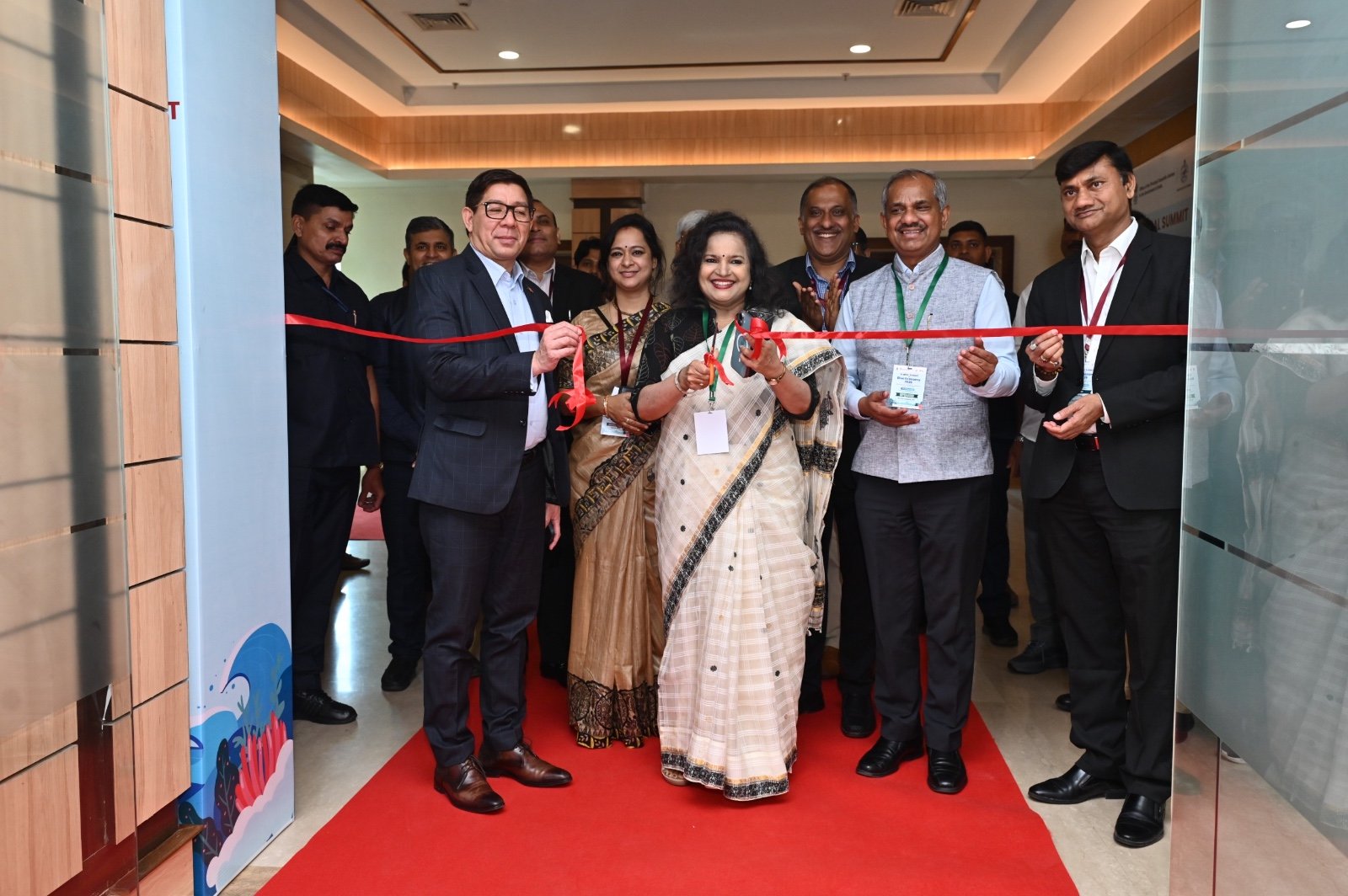
Bhubaneswar summit highlights India blue economy ambitions
Bhubaneswar this week emerged as a focal point for India’s expanding ocean-based economic agenda as policymakers, scientists, entrepreneurs and industry stakeholders gathered for the Blue Economy Summit at the state secretariat convention complex. The two-day event places Odisha’s long coastline and maritime assets at the centre of discussions on sustainable growth, climate resilience and future coastal industries.
The gathering signals a growing shift in India’s development planning where oceans are increasingly viewed as economic infrastructure — comparable to roads, ports and energy networks. For coastal states such as Odisha, the Blue Economy Summit provides a platform to explore how fisheries, marine biotechnology, offshore energy and coastal tourism can support long-term economic expansion while strengthening climate resilience. Senior government officials outlined the state’s ambition to significantly increase its contribution to national economic output over the coming decades, with ocean-based sectors expected to play a key role. Odisha’s 575-kilometre coastline offers opportunities for expanding maritime logistics, aquaculture clusters and coastal tourism circuits, while also enabling emerging industries such as marine bio-resources and offshore renewable energy. Experts at the summit noted that the oceans remain among the least explored economic frontiers globally, with vast deep-sea ecosystems still poorly understood. This presents both opportunities and risks. While offshore energy, seabed resources and marine biotechnology promise new investment flows, coastal erosion, rising sea levels and marine pollution continue to threaten livelihoods in vulnerable coastal communities.
Urban planners and climate researchers attending the Blue Economy Summit emphasised the need for integrated coastal planning that aligns infrastructure growth with environmental protection. They highlighted the importance of climate-resilient port development, sustainable fishing practices and stronger monitoring systems to protect marine biodiversity. The discussions also reflected a growing recognition that coastal development is not solely a maritime issue but an urban one. Cities such as Bhubaneswar increasingly function as administrative, research and logistics hubs supporting port economies, fisheries supply chains and maritime services across the region. Industry participants showcased emerging technologies ranging from ocean data analytics and marine robotics to aquaculture innovations and coastal monitoring tools. Several early-stage startups from the eastern coast presented solutions aimed at improving fisheries productivity, reducing marine pollution and strengthening ocean intelligence systems using artificial intelligence. Academic institutions and research networks also played a visible role at the event, presenting scientific studies on marine ecosystems, climate resilience and ocean-based industries. Selected research is expected to move towards international publication and further collaborative work with global institutions.
For Odisha, the summit reinforces its attempt to position the state as a knowledge and innovation centre for ocean-linked industries. With major ports, a long coastline and expanding logistics infrastructure, the state’s maritime ecosystem is gradually becoming a strategic pillar of regional economic planning. As India advances national maritime and climate goals over the coming decades, the outcomes of the Blue Economy Summit suggest that coastal innovation, research collaboration and responsible resource use will determine how effectively ocean economies translate into sustainable growth for cities, industries and coastal communities.