Bhubaneswar Students Turn Waste Tiles Into Urban Art
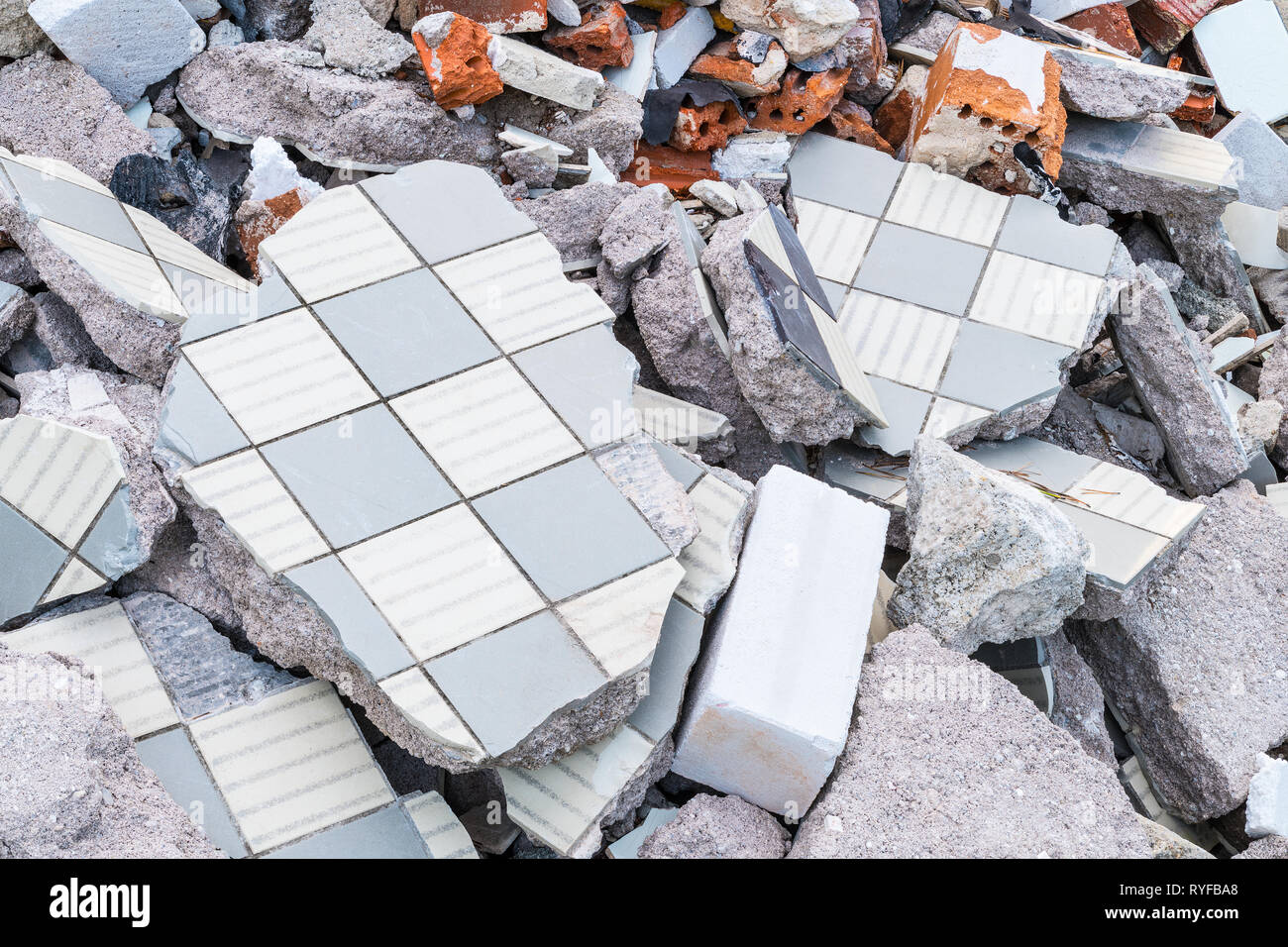
A design initiative in Bhubaneswar is demonstrating how construction waste can be repurposed into creative urban design solutions. Students at a city architecture school recently collaborated with a ceramic manufacturing company to convert discarded tiles into artistic installations, highlighting the growing relevance of waste tile recycling within India’s built environment and construction sector.
The project, conducted at an architecture and planning school in the Odisha capital, invited dozens of students to experiment with broken ceramic pieces typically discarded during manufacturing or construction. Instead of entering landfill streams, the material was transformed into murals and art installations that combined design aesthetics with resource efficiency. Industry observers say the initiative reflects a broader shift in the construction sector towards circular material use. Ceramic tiles are widely used in housing, commercial buildings and infrastructure projects across India, yet breakage during transport, installation and manufacturing often results in substantial waste. Recycling such fragments into new design elements offers a potential pathway to reduce environmental impact while lowering raw material demand. Officials associated with the ceramic manufacturer involved in the collaboration said the exercise aimed to expose architecture students to practical approaches for reducing construction waste. They noted that repurposing materials is becoming an increasingly important design skill as cities face pressure to limit landfill volumes and improve resource efficiency across the building lifecycle.
Academic leaders from the participating institution indicated that hands-on projects like these are intended to bridge theoretical sustainability concepts with real-world design practice. According to faculty members involved in the programme, the installation project encouraged students to experiment with patterning, structural composition and surface design using irregular fragments — a process that required both technical planning and creative thinking. Urban planners say such experiments can play a role in advancing sustainable design awareness among young professionals entering the architecture and construction industries. Across India’s rapidly expanding cities, building materials account for a large share of urban waste streams, particularly during renovation and redevelopment cycles. Waste tile recycling, they note, has potential applications beyond art installations. Reclaimed fragments can be incorporated into pavements, wall cladding, landscape elements and decorative façades in public spaces. When integrated at scale, these practices may help reduce the environmental footprint of the construction sector while encouraging innovation in material reuse. The Bhubaneswar initiative also reflects a growing trend of industry-academia partnerships focused on sustainability within the built environment. Companies increasingly work with universities to test new approaches to material efficiency, circular construction and climate-responsive design.
As India’s cities pursue more resource-efficient growth models, experts say such collaborations can help shape the next generation of architects and planners. By integrating waste tile recycling and material recovery into design education, institutions may help ensure that sustainability considerations become embedded in everyday building practices rather than remaining isolated pilot projects.