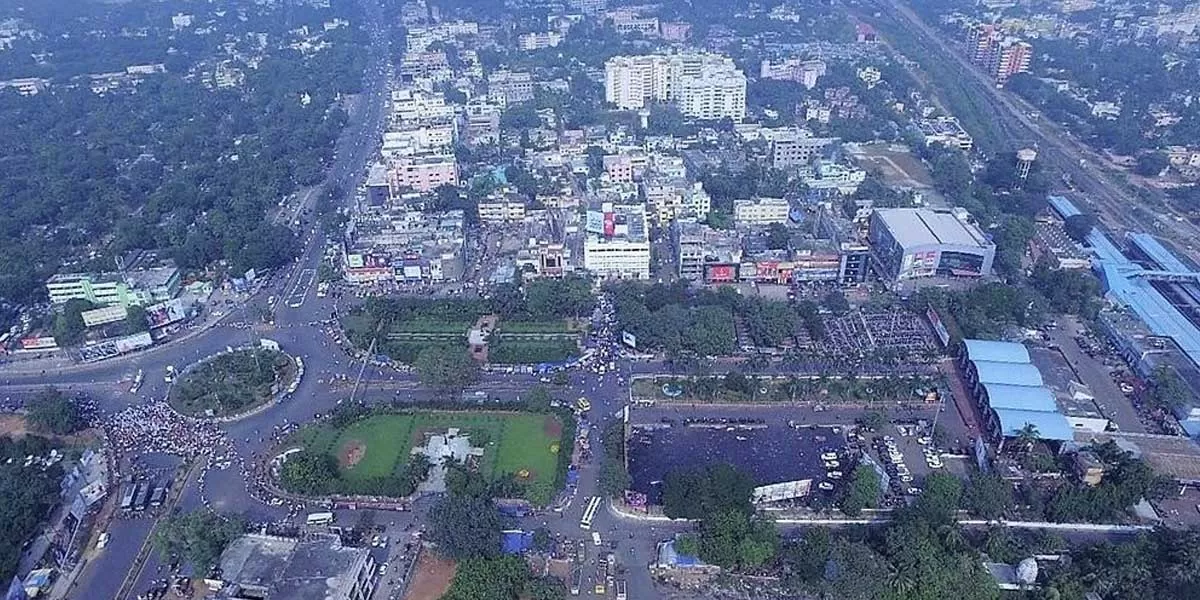
Bhubaneswar is positioning its coastline as a new engine for economic and urban transformation after senior state officials outlined a long-term strategy to expand the Blue Economy through port-led development and marine innovation. Announced during a global policy forum in the Odisha capital, the roadmap signals a shift toward integrating maritime infrastructure, urban planning, and coastal livelihoods into a unified growth framework.
With roughly 575 kilometres of shoreline along the Bay of Bengal, Odisha holds one of eastern India’s most strategically placed coastal corridors. State planners believe that linking maritime trade infrastructure with emerging coastal urban centres could help diversify the regional economy while improving resilience for communities vulnerable to climate risks and coastal erosion. Officials indicated that the proposed Blue Economy framework would encourage industrial activity and research clusters around major ports including those at Paradip, Dhamra and Gopalpur. These coastal zones are expected to host specialised investment districts focused on marine biotechnology, digital logistics, low-emission shipping technologies and data-driven maritime operations. Urban planners say the idea of “port-linked urbanisation” reflects a broader trend in coastal economic policy. Rather than treating ports purely as cargo gateways, governments are increasingly planning integrated urban ecosystems that connect shipping, manufacturing, research institutions and residential infrastructure.
In Odisha’s case, the approach could reshape smaller coastal towns into logistics and innovation hubs tied to global supply chains. Industry analysts note that such development models can stimulate employment across multiple sectors from ship maintenance and seafood processing to coastal tourism and marine science. However, experts emphasise that successful Blue Economy projects require strong environmental safeguards, particularly in ecologically sensitive coastal belts where mangroves, wetlands and fisheries support both biodiversity and livelihoods. Officials highlighted that coastal ecosystem management will form a core part of the strategy. Programmes under consideration include sustainable aquaculture, expansion of seaweed cultivation, and nature-sensitive tourism infrastructure designed to reduce pressure on fragile marine habitats. These initiatives are also expected to generate alternative income streams for fishing communities while strengthening climate adaptation measures in cyclone-prone regions of the state. Odisha has experienced repeated extreme weather events in recent decades, making coastal resilience a key planning priority for both urban development and disaster management authorities.
Policy observers say the emerging roadmap aligns with India’s broader efforts to develop maritime industries as a pillar of economic growth while supporting global commitments on climate adaptation and sustainable resource use. If executed effectively, the plan could transform Odisha’s coastal belt into a network of maritime-linked cities where port infrastructure, sustainable industry and resilient urban design evolve together offering a template for other coastal states exploring the economic potential of the Blue Economy.