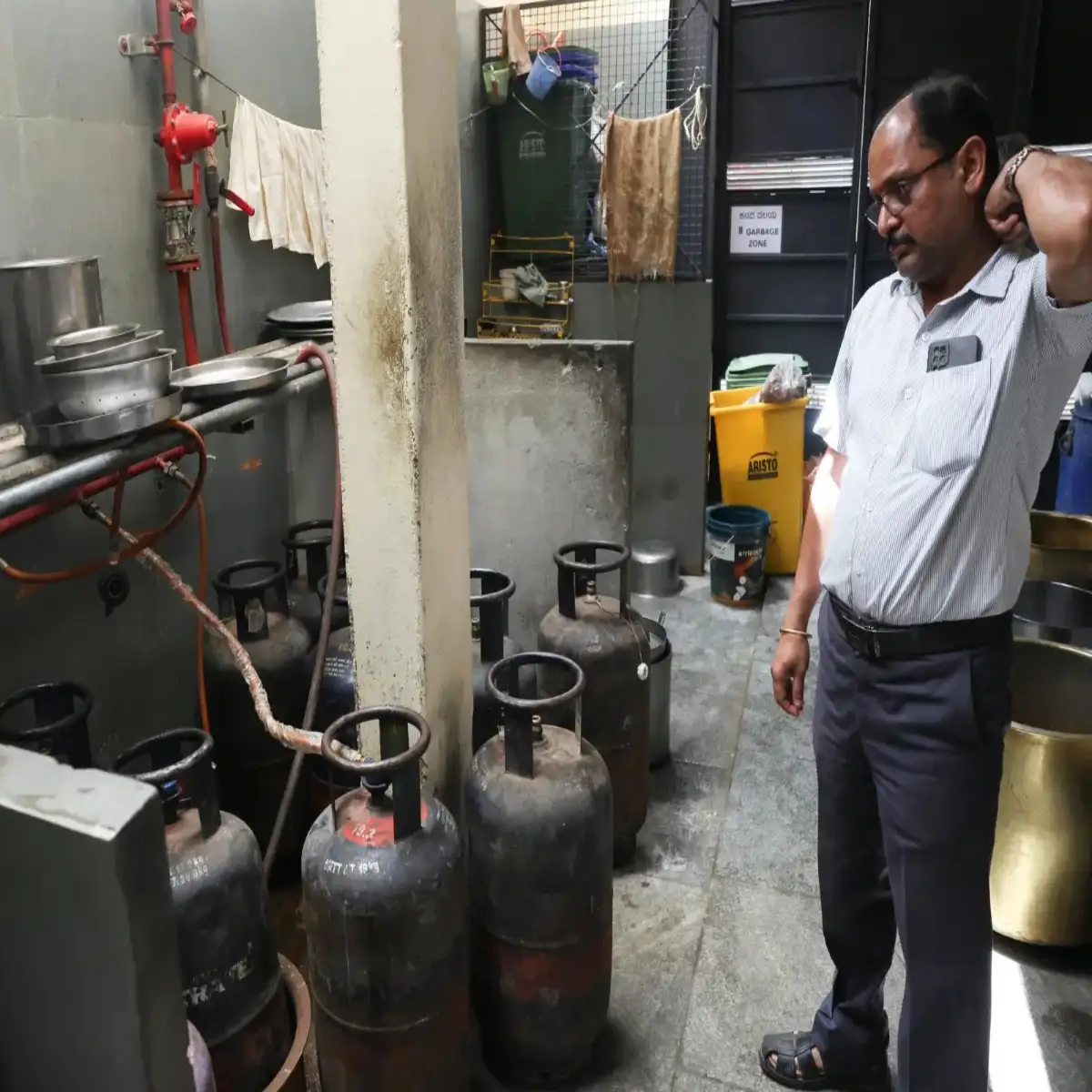
Restaurants and hotels across the Bhubaneswar-Cuttack urban corridor are scaling back menu offerings and increasing food prices as an LPG shortage disrupts kitchen operations in the region. The supply gap has forced eateries to rethink cooking practices, limit service hours for gas-intensive dishes and explore alternative energy sources, highlighting the vulnerability of urban food businesses to fuel supply disruptions.
Food service operators across the twin cities report that limited availability of commercial cylinders has made it difficult to maintain regular cooking schedules. Several establishments that rely heavily on LPG for high-heat cooking have begun suspending certain menu items or reducing the frequency of preparation, particularly dishes that require prolonged flame use. Industry representatives say the LPG shortage has created operational uncertainty at a time when urban hospitality businesses are already navigating rising input costs and fluctuating consumer demand. Commercial kitchens in larger restaurants often require multiple cylinders daily to run grills, burners and tandoors simultaneously. However, many outlets are currently receiving only a fraction of their usual allocation, forcing managers to ration usage across meal services.
The disruption is also affecting pricing strategies. Some restaurant operators have introduced modest price revisions to offset the cost of procuring cylinders through unofficial channels, where rates are reportedly significantly higher than the regulated supply price. While the adjustments are relatively small per dish, operators say the cumulative financial strain is significant when fuel availability remains unpredictable. Beyond pricing and menu changes, the LPG shortage is beginning to influence service formats as well. Certain restaurants have temporarily paused online delivery operations to prioritise dine-in customers, while others have suspended set meal offerings that require extensive preparation. These adjustments are intended to conserve fuel and maintain limited kitchen capacity during peak hours. Urban hospitality analysts note that such disruptions expose how dependent the city’s food economy remains on a single cooking fuel. With Bhubaneswar emerging as a fast-growing urban centre driven by IT services, education and tourism, the restaurant ecosystem has expanded rapidly over the past decade. However, energy diversification in commercial kitchens has not kept pace with this growth. Municipal authorities have temporarily allowed restaurants to use alternative fuels such as charcoal and firewood during the shortage. Yet many modern kitchens find it difficult to adopt these options due to ventilation requirements, space constraints and hygiene regulations tied to urban food safety standards.
Energy planners suggest that the situation may accelerate the adoption of electric induction cooking systems, energy-efficient kitchen equipment and hybrid cooking models that reduce dependence on LPG. Such transitions could also align with broader goals of building cleaner and more resilient urban service sectors. For now, restaurant owners say stabilising commercial gas supply remains the most immediate need. As Bhubaneswar’s hospitality sector continues to expand alongside the city’s urban growth, ensuring reliable energy access will be critical for sustaining food businesses that serve both residents and a growing migrant workforce.