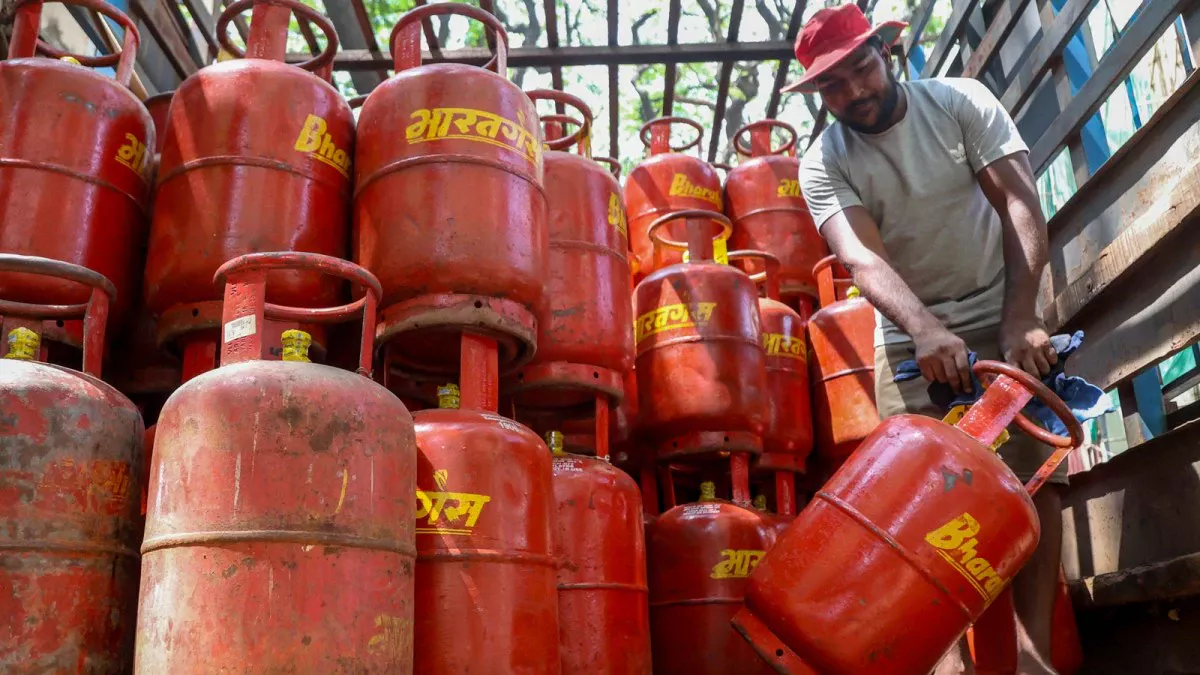
Nagpur LPG Shortage Disrupts Local Business Operations
Industrial clusters across Bhubaneswar, Cuttack and adjoining manufacturing hubs in Odisha are beginning to feel the strain of a commercial LPG shortage, with several micro, small and medium enterprises (MSMEs) scaling back production amid irregular cylinder supplies. The disruption is affecting engineering, fabrication and metal-processing units that depend heavily on LPG for industrial heating and cutting operations, raising concerns about supply chain stability for the region’s growing manufacturing base.
Local industry bodies indicate that smaller factories in key industrial estates across Khurda and Cuttack districts have been receiving fewer cylinders than their daily operational requirements. A senior representative from a regional MSME association said that most mid-sized workshops require multiple cylinders each day to sustain continuous production lines. In recent days, however, supply levels have reportedly been reduced, forcing businesses to ration fuel usage and prioritise time-sensitive orders. For a number of enterprises, the commercial LPG shortage has begun translating into slower production cycles and higher operating costs. Several engineering and fabrication units have attempted to shift temporarily to substitute gases such as dissolved acetylene to maintain welding and cutting work. However, industry experts note that such alternatives are both more expensive and limited in availability because many facilities had previously reduced production when LPG became the preferred industrial fuel. Manufacturing units that lack access to alternative fuels have faced more immediate operational disruptions. Industry observers say that certain workshops producing institutional furniture, fabricated equipment and light industrial machinery have suspended work for short periods after failing to procure cylinders.
The halt has delayed order fulfilment for clients including educational institutions and small construction contractors. Beyond individual enterprises, the situation underscores a broader vulnerability within urban industrial ecosystems that depend on consistent energy inputs. Bhubaneswar and Cuttack form an emerging manufacturing corridor supporting regional infrastructure, housing construction and public works projects.Interruptions in basic industrial fuel supply can ripple through supply chains, affecting everything from building materials fabrication to mechanical components used in urban infrastructure. Economists tracking the sector suggest that the commercial LPG shortage also raises questions about energy diversification for small industries. While large factories often maintain multiple fuel options or captive energy systems, smaller enterprises operate with tighter cost margins and limited infrastructure. This makes them particularly sensitive to disruptions in supply of a single energy source.
Urban planners and industry analysts argue that improving logistics for industrial fuels and promoting alternative energy technologies could help reduce such vulnerabilities. Options such as piped gas networks for industrial estates, electrified fabrication equipment, and cleaner energy solutions aligned with low-carbon urban manufacturing are increasingly being discussed in policy circles. For now, industry representatives say they expect supplies to stabilise in the coming days. However, the episode has highlighted how fragile fuel supply chains can affect employment and production across small manufacturing units that underpin regional economic growth and the urban construction economy.