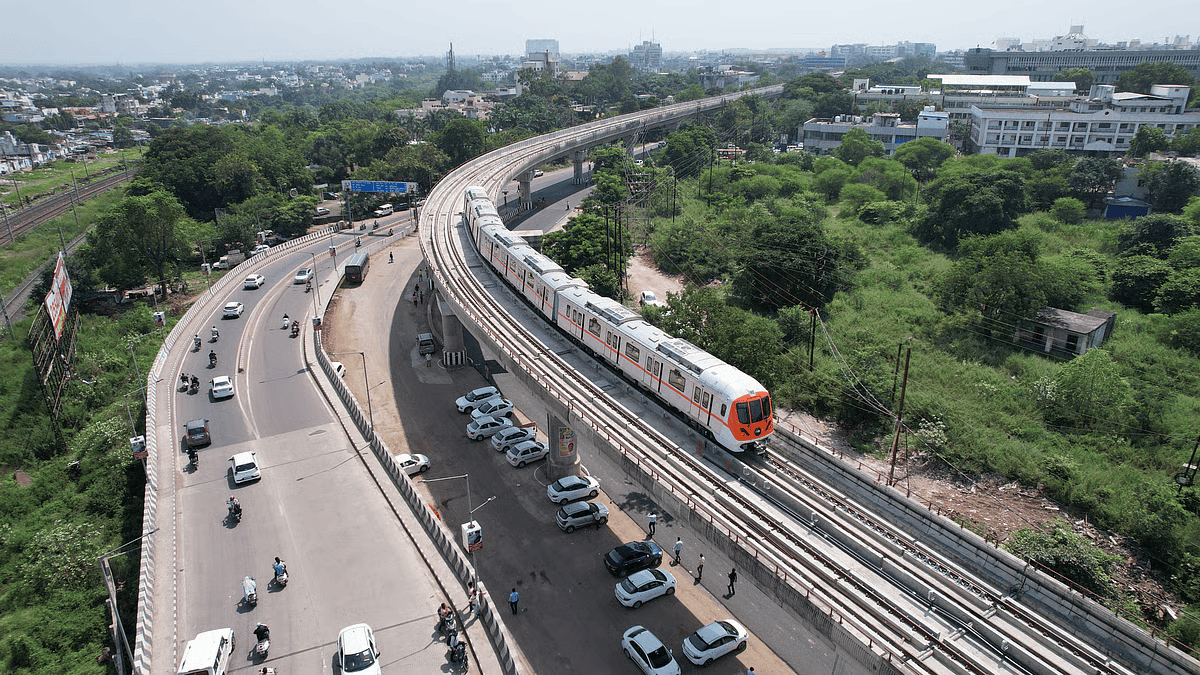
Bhopal sets vision for metro rail and civic growth
Bhopal is preparing for a major urban transformation with plans to expand metro connectivity, upgrade drinking water systems and develop new tourism avenues, signalling its aspiration to evolve into a metropolitan hub by 2025. At a civic event, officials announced infrastructure projects under the AMRUT 2.0 Mission, including water supply works worth over ₹580 crore and 50 ward-level initiatives. Authorities said these schemes would provide clean water access to nearly 30,000 households, supported by construction of new filter plants, intake wells and a 700-km pipeline network across the city. The move is aimed at building resilience against water scarcity while ensuring equitable access to civic amenities.
The metro rail project remains the centrepiece of the city’s mobility strategy. According to senior representatives, services are scheduled to begin by October 2025. The network is expected to ease congestion on key arterial roads, promote low-carbon commuting and integrate neighbouring districts into the city’s growth corridor. Plans for a western bypass are also in motion to strengthen regional connectivity and reduce pressure on inner roads.
Tourism is being positioned as another growth driver. The city’s iconic Bada Tal is set to host shikara rides inspired by Kashmir’s Dal Lake, in partnership with the state tourism corporation. Urban planners noted that such initiatives could strengthen the cultural identity of Bhopal while creating livelihood opportunities for local communities. Grand gateways on arterial routes and a proposed convention centre will further enhance the city’s appeal for visitors and investors.
Beyond physical infrastructure, city authorities emphasised civic pride and community participation. Sanitation workers were recognised for securing Bhopal’s second place in the national cleanliness rankings, with an appeal for citizens to help secure the top spot in the next survey. This recognition underscores the role of inclusivity and shared responsibility in sustainable city-making. Experts also highlighted that urban expansion is not just about infrastructure, but about equitable access and sustainability. By embedding environmental considerations in projects like clean water networks and mass transit, Bhopal is positioning itself as a model for other growing Indian cities.
The city’s growth trajectory aligns with broader national priorities under the Smart City Mission and AMRUT 2.0, which aim to modernise urban infrastructure without compromising environmental sustainability. Development in 295 towns across Madhya Pradesh is already underway, and Bhopal is expected to lead this momentum. As the city looks ahead, balancing rapid growth with sustainability remains the central challenge. With metro services, water resilience measures, and eco-tourism initiatives on the horizon, Bhopal appears poised to reimagine itself as a metropolitan centre that caters to both its citizens’ needs and future climate imperatives.