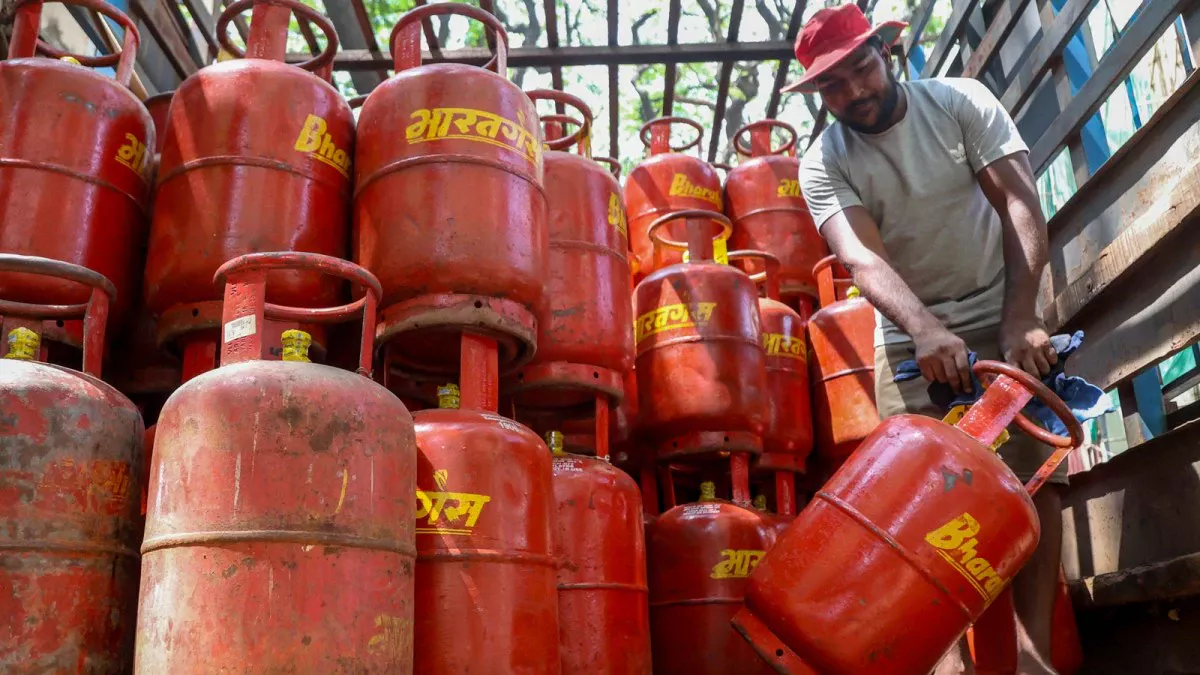
Nagpur LPG Shortage Disrupts Local Business Operations
Urban households and small businesses in central India received temporary relief this weekend after district administrations in Bhopal and Indore directed LPG distributors to remain operational on Sunday to manage rising demand and booking delays. The intervention, part of a broader LPG supply response, aims to stabilise household fuel availability and prevent panic stocking during a period of logistical strain in the domestic gas distribution network.
Officials overseeing district food and civil supplies said the decision was taken after a surge in booking requests and growing public concern over delivery timelines. Under the special arrangement, LPG distributors across both cities have been instructed to maintain normal booking, refilling and delivery services despite the weekend schedule. Authorities indicated that the measure is intended to ensure uninterrupted access to cooking fuel for residents while supply chains stabilise. The move highlights how urban energy systems remain sensitive to distribution disruptions even when overall inventory levels remain adequate. Cooking gas continues to be the primary household fuel for millions of urban families, making reliable delivery systems essential for everyday urban functioning. Industry observers note that even short-term disruptions can quickly translate into delivery backlogs, particularly in densely populated cities where demand cycles are tightly linked to household consumption patterns. Officials associated with the LPG supply response also indicated that delivery timelines are expected to improve. Oil marketing companies have reportedly enhanced server capacity for booking systems to handle the increased load from digital requests. Authorities expect domestic cylinders to be delivered within roughly two to three days after booking once the current backlog clears.
Urban policy experts say such administrative interventions underscore the importance of resilient urban energy distribution networks. As cities grow and residential densities increase, even essential services such as cooking gas delivery require stronger digital systems, inventory forecasting and last-mile logistics coordination. For local economies, the issue extends beyond household kitchens. Restaurants, small food vendors and micro-enterprises across city neighbourhoods rely heavily on LPG cylinders for daily operations. Any prolonged disruption can ripple through informal employment ecosystems that depend on consistent fuel access. The situation also draws attention to the broader transition challenges facing urban energy systems. While many Indian cities are exploring cleaner and decentralised energy solutions, LPG remains a crucial bridge fuel for millions of urban residents due to its affordability, portability and lower emissions compared with traditional biomass. Authorities in both cities have urged residents to avoid hoarding additional cylinders, emphasising that supply levels remain sufficient and distribution is being normalised.
The LPG supply response, officials say, is a precautionary administrative step designed to reassure consumers while allowing distributors time to clear pending orders. Urban planners note that such responses increasingly form part of city governance, where maintaining reliable access to essential services from water to energy has become central to building resilient, people-centric urban systems. As cities expand and consumption patterns intensify, ensuring stable access to basic utilities like LPG will remain a key test of urban infrastructure management and service delivery systems.