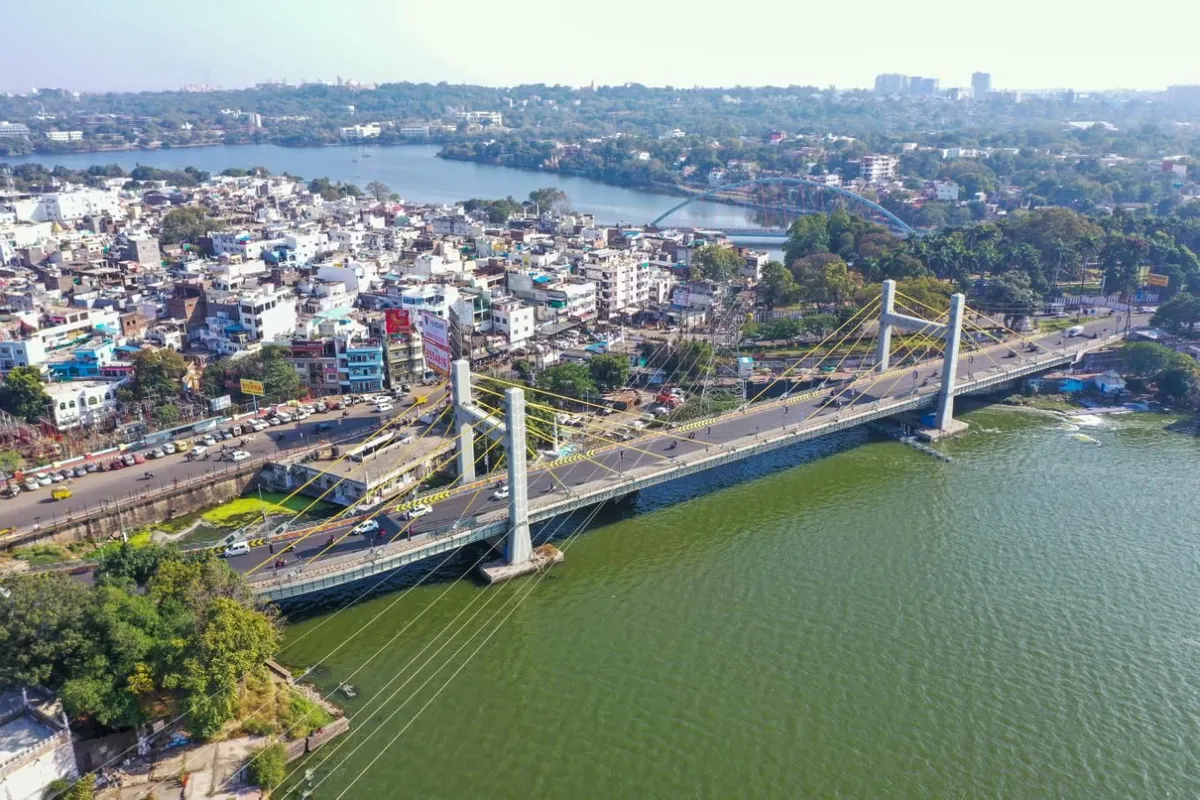
Bhopal Indore Planning Shift To Metropolitan Framework
Urban development authorities in Madhya Pradesh have paused the rollout of updated planning blueprints for Bhopal and Indore as the state moves to integrate both cities into broader regional planning systems. The decision follows the enactment of legislation enabling formal metropolitan region planning, signalling a shift from city-centric development to coordinated growth across neighbouring districts.Officials informed the state legislature recently that draft master plans for both cities had already been prepared but will remain pending until new regional frameworks are finalised. The policy shift aims to align urban expansion with wider economic corridors and commuting patterns that increasingly extend beyond municipal boundaries.The new law establishes a statutory foundation for metropolitan region planning, enabling the formation of regional development authorities responsible for integrated planning across multiple districts. Authorities are expected to map infrastructure, housing demand, transport connectivity and land use across wider urban clusters rather than within individual city limits.
In the case of Indore, planners anticipate a regional zone encompassing surrounding districts that are economically linked to the city’s industrial and service economy. Similarly, Bhopal’s regional planning area is expected to cover adjoining districts where residential growth, institutional development and peri-urban expansion have accelerated in recent years.Urban planners note that such frameworks could help address long-standing coordination challenges between city authorities and neighbouring jurisdictions. Fragmented governance structures have often slowed infrastructure delivery, particularly in transport networks, water supply systems and housing development that cross administrative boundaries.Industry observers say the delay in implementing updated city plans has been a concern for investors and developers operating in Tier-2 markets. Outdated land-use frameworks can create regulatory uncertainty, affecting project approvals and long-term infrastructure investment decisions. Bhopal, for example, continues to operate under a planning blueprint adopted more than two decades ago, despite major demographic and economic changes since then.
However, urban policy experts argue that a metropolitan planning approach may ultimately offer stronger long-term outcomes if implemented effectively. By synchronising transport planning, employment hubs, residential growth and environmental safeguards across wider urban regions, authorities may be better positioned to manage rapid urbanisation while limiting unplanned sprawl.Such integrated planning is increasingly viewed as essential for climate resilience and sustainable infrastructure delivery. Regional planning models allow authorities to identify green corridors, manage watershed systems and distribute urban density more strategically, reducing pressure on city cores.
The transition also reflects broader national trends in urban governance, where rapidly expanding cities are evolving into multi-district metropolitan regions with shared economic ecosystems.Officials involved in the process indicated that once the regional authorities complete baseline assessments and strategic frameworks, city-level development plans will be recalibrated to align with metropolitan priorities.For residents and investors alike, the coming years will determine whether metropolitan region planning can translate policy ambition into coordinated infrastructure growth, improved mobility and more resilient urban expansion across Madhya Pradesh’s fastest-growing urban centres.