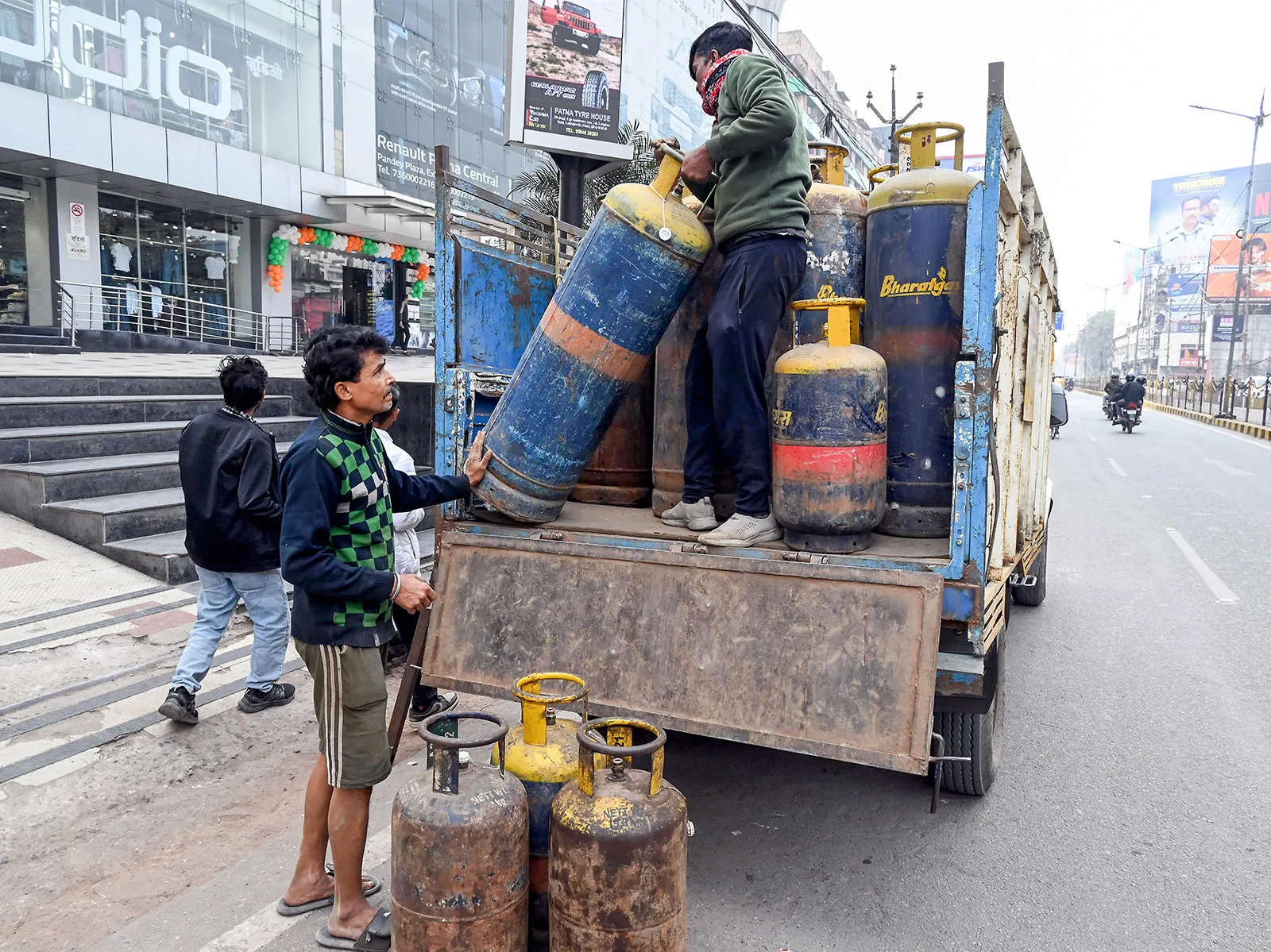
A tightening Bhopal LPG supply crisis during the city’s peak wedding season has begun to strain hotel kitchens and banquet operations, prompting hospitality industry groups to seek urgent intervention from local authorities to stabilise fuel availability. Restaurant and hotel operators across the Madhya Pradesh capital say stocks of commercial liquefied petroleum gas (LPG) cylinders the primary cooking fuel for large kitchens have declined sharply in recent days.
With hundreds of wedding functions scheduled across the city, the hospitality sector warns that a prolonged shortage could disrupt catering services and event management operations. Industry representatives have approached district authorities requesting a more balanced distribution of commercial cylinders across the city. They argue that the spike in demand during the marriage season has coincided with supply bottlenecks, leaving many establishments with only a few days of fuel reserves. Several operators are also exploring temporary alternatives, including permission to use coal-based cooking systems under regulatory approval. However, environmental rules governing air pollution make such shifts complicated, particularly in urban areas where emissions standards are increasingly strict. Urban planners note that the request highlights the broader tension cities face between ensuring business continuity and maintaining environmental safeguards. The Bhopal LPG supply crisis has also raised concerns about possible diversion of domestic LPG cylinders into commercial use.
Industry observers warn that if commercial supply chains weaken, smaller restaurants may turn to household cylinders to maintain operations, potentially distorting distribution systems designed to protect residential consumers. Local fuel distributors indicate that thousands of commercial cylinders are typically delivered across Bhopal daily, alongside domestic LPG supplies. However, the volume available to the market depends on replenishment from upstream oil marketing companies and transportation logistics. Officials monitoring supply chains say buffer stocks are maintained at the national level, but temporary local imbalances can occur during demand spikes. Energy analysts point out that the situation also reflects a broader structural issue in Indian cities: the uneven transition to cleaner piped natural gas (PNG) networks. While parts of Bhopal already receive PNG connections, coverage remains partial. Limited pipeline penetration means that most commercial kitchens still rely heavily on LPG cylinders, making them vulnerable to short-term supply disruptions. From an urban infrastructure perspective, experts argue that expanding city gas distribution networks could provide more reliable energy access for the hospitality sector while supporting cleaner urban fuel systems.
PNG networks typically reduce transport dependency and storage risks compared with cylinder-based supply chains. For now, hospitality operators are urging authorities to streamline cylinder distribution until demand stabilises after the wedding season. City administrators are expected to review supply logistics and monitor the market to prevent diversion or black marketing. The episode underscores how urban energy infrastructure from gas pipelines to fuel logistics — increasingly shapes the resilience of city economies, particularly sectors like hospitality that depend on uninterrupted energy access.