Nagpur Heat Mitigation Plan Delay Raises Climate Concerns
An unusual rise in temperatures across Bhopal and several districts of Madhya Pradesh is signalling the early onset of summer-like conditions, with readings in many locations climbing well above seasonal averages. Weather monitoring agencies reported that daytime temperatures in Bhopal reached 36.8°C – about 4.6°C above the typical level for early March, raising concerns about prolonged heat stress across urban and rural areas.
Across the state, the warming trend has been consistent. Cities in western and central Madhya Pradesh recorded some of the highest daytime temperatures of the season so far. One western district logged nearly 39°C, the highest among major reporting stations, while other locations across central and northern parts of the state recorded readings ranging from 38°C to nearly 39°C. Meteorological observers noted that maximum temperatures across most administrative divisions were between 2°C and nearly 6°C higher than normal, with particularly sharp departures recorded in the northern and central regions. Urban centres in the Bhopal and Ujjain regions have seen sustained above-normal temperatures over the past several days, an indicator of intensifying pre-summer heat patterns.
Despite the heat, atmospheric conditions remain largely dry. Weather specialists attribute the situation to a combination of upper-air circulations over eastern India and a trough system stretching across central India, along with a western disturbance moving through the middle layers of the atmosphere. A powerful subtropical jet stream over northwestern India is also influencing regional wind patterns. However, these systems have not triggered rainfall in Madhya Pradesh. The dry weather pattern is expected to persist across districts, allowing temperatures to remain elevated through the week. For cities such as Bhopal, the early rise in Bhopal heatwave conditions highlights broader urban climate challenges. Rising heat levels are increasingly affecting energy demand, water consumption, and outdoor labour productivity in rapidly expanding cities. Urban planners say early-season heat spikes underscore the need for climate-responsive urban design, including shaded streets, expanded tree cover, and heat-resilient building materials. Morning humidity levels in Bhopal were measured at roughly 37 percent, indicating relatively dry air conditions that can accelerate daytime heating in built-up areas where concrete and asphalt surfaces retain heat. Agriculture is also being closely monitored. Agronomists warn that wheat crops currently in the grain-filling stage are particularly sensitive to sudden temperature increases. Farmers have been advised to ensure adequate irrigation and closely watch fields for pest activity that can intensify under warmer conditions.
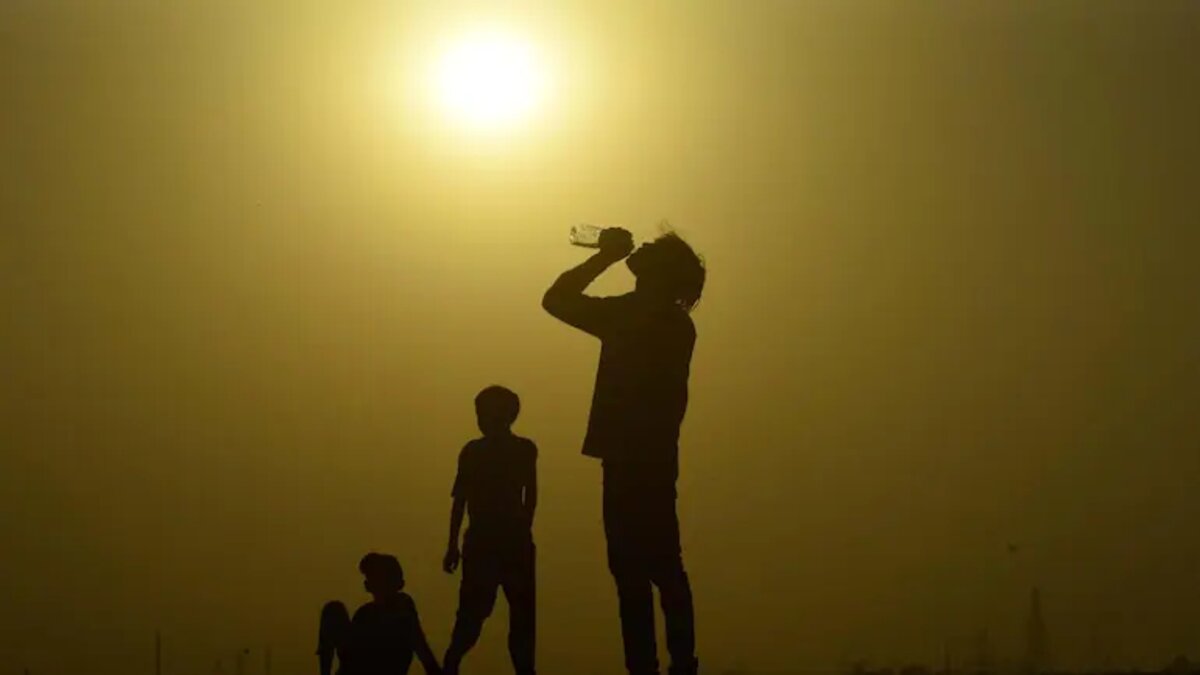
While no official heat warnings have been issued yet, authorities have urged residents to limit exposure to intense afternoon sunlight and stay hydrated, particularly vulnerable populations such as outdoor workers, children, and older adults. Climate researchers say episodes like the current Bhopal heatwave conditions could become more frequent as warming trends intensify across central India, reinforcing the need for integrated heat action plans in growing urban regions.