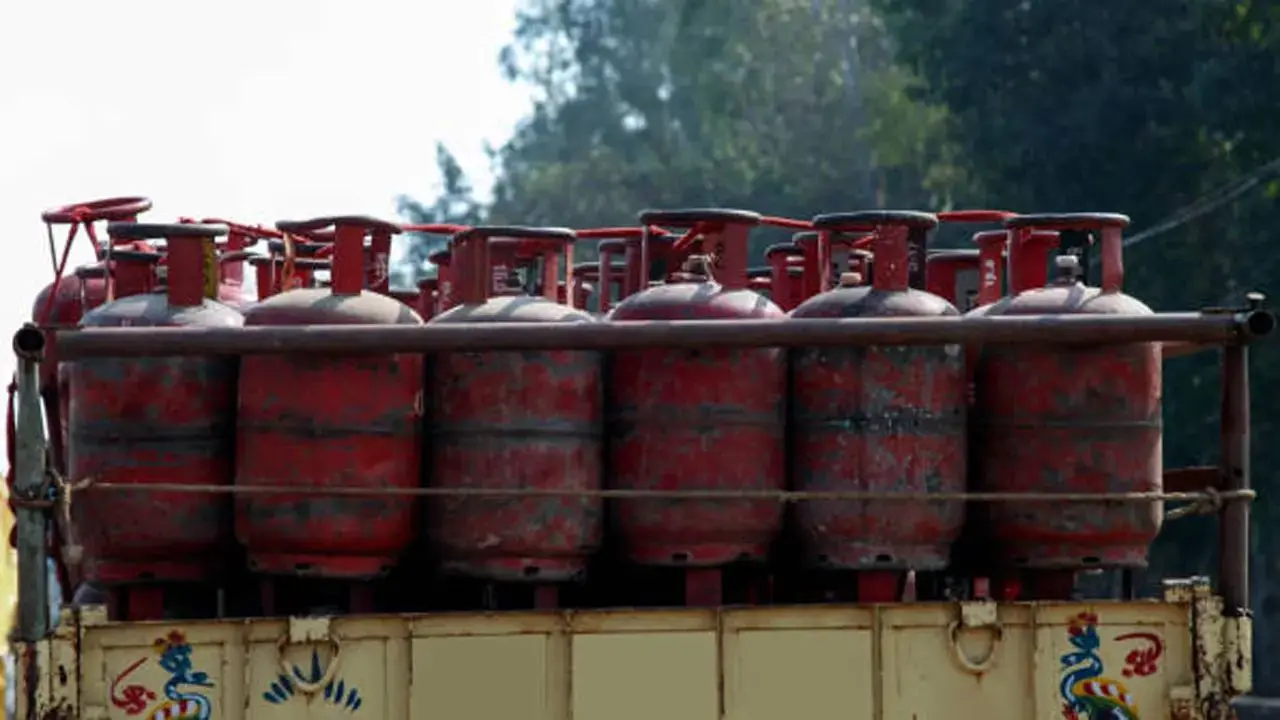
A tightening supply of commercial cooking gas is beginning to disrupt restaurant operations in Bhopal, prompting several eateries to explore alternative cooking systems while some smaller establishments temporarily suspend services. The LPG shortage has also affected domestic consumers in parts of the city, with reports of long queues outside gas agencies as households seek refills.
The situation is raising concerns about the resilience of urban energy supply chains that underpin the daily functioning of India’s food service economy. Restaurant operators say the sudden decline in availability of commercial cylinders has complicated kitchen operations across multiple neighbourhoods. Industry representatives note that eateries depend heavily on uninterrupted fuel access to sustain daily service cycles, and even brief disruptions can affect staffing schedules, supply procurement and customer volumes. Several businesses have begun deploying induction cooktops and electric cooking systems as interim solutions. A senior representative from a fast-food chain operating across Madhya Pradesh said many outlets have accelerated a shift toward induction-based kitchens to maintain menu availability. According to operators, the transition requires adjustments to kitchen workflows and equipment, particularly for high-volume cooking processes traditionally designed for gas burners.
The LPG shortage has not been limited to commercial establishments. Residents in Bhopal have reported delays in obtaining domestic cylinders, with gas agencies experiencing increased demand and supply bottlenecks. Energy analysts say such disruptions highlight vulnerabilities in distribution networks, especially in rapidly expanding urban regions where both household consumption and hospitality demand continue to rise. Food service industry associations suggest the shortage may stem from a combination of logistical constraints, distribution delays and rising consumption levels. While authorities have not issued a detailed public explanation, officials in the energy supply ecosystem indicate that efforts are underway to stabilise deliveries and clear pending orders. Urban planners say the episode underscores a broader transition challenge facing Indian cities. Restaurants and commercial kitchens remain heavily reliant on LPG, but many municipalities are encouraging electrification of cooking systems to reduce emissions and strengthen energy resilience. Induction cooking, while still uncommon in large commercial kitchens, is increasingly viewed as a viable alternative in dense urban environments where air quality and carbon reduction goals are becoming central to city planning. However, shifting fully to electric systems requires infrastructure upgrades.
Reliable power supply, higher electrical load capacities and kitchen redesigns are often needed, particularly in older commercial buildings. For smaller eateries operating on tight margins, these changes can be financially demanding without policy support or incentives. Hospitality sector observers note that the food service industry plays a significant role in urban employment and local economic activity. Ensuring reliable energy access—whether through LPG or electrified systems—will be crucial for maintaining the stability of this ecosystem. Authorities are expected to monitor supply conditions in the coming days as distribution normalises. For city planners and businesses alike, the current LPG shortage may accelerate discussions around diversifying cooking energy sources in India’s growing urban food economy.