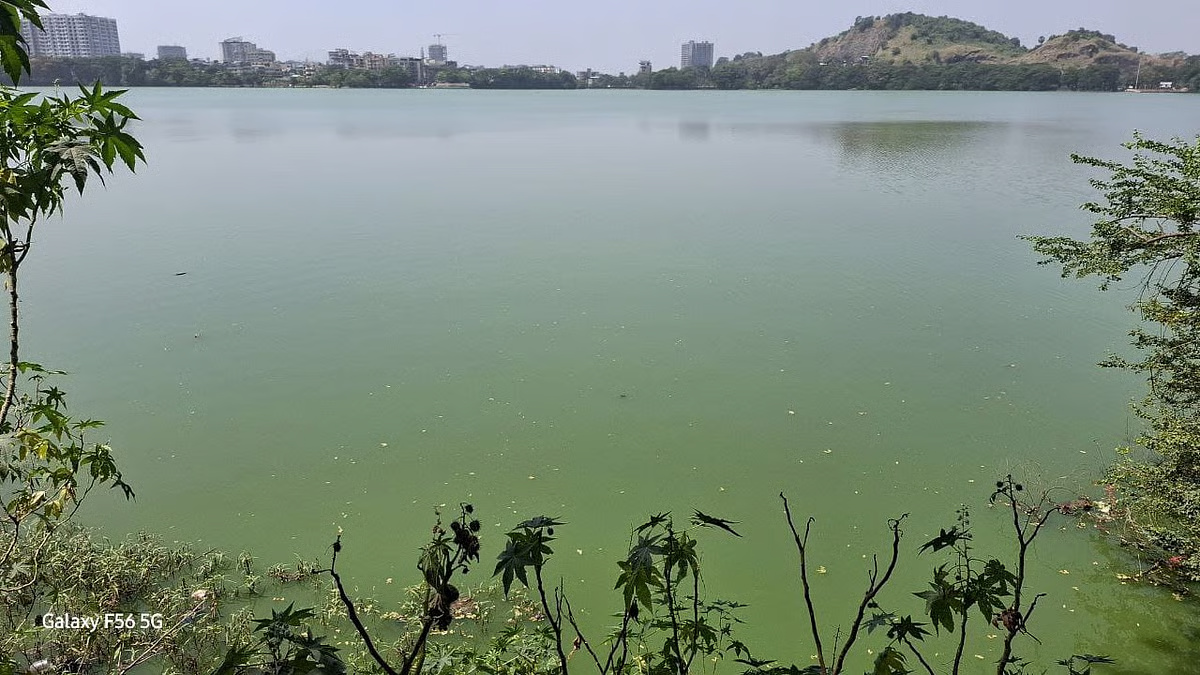
Bhiwandi’s only major waterbody, Varala Lake, has become the focus of a growing citizen movement as concerns mount over pollution, waste accumulation, and the gradual decline of an essential local ecosystem. The lake, which serves as the city’s primary source of drinking water and an important recreational landmark, has suffered from years of neglect, prompting residents—particularly young people—to take direct action. Their efforts are now drawing administrative attention and raising wider questions about the stewardship of urban natural assets.
The problems facing Varala Lake mirror broader environmental pressures seen across rapidly urbanising cities, where unmanaged waste disposal, religious immersion activities, and inadequate municipal oversight frequently degrade local waterbodies. Residents report that the lake’s deteriorating condition has led to an unpleasant odour and visible contamination, prompting health, ecological, and social concerns. An environmental volunteer noted that the lake “reflects the cumulative impact of urban neglect” and emphasised the urgency of sustained intervention. In response, a group of young citizens launched a weekly cleanliness campaign titled “Har Sunday Do Ghante”, inviting residents to spend two hours every Sunday removing solid waste from the lake precinct. What began as a small, volunteer-driven initiative has grown into a structured civic movement, drawing participation from hundreds of young people over seven consecutive weekends. The group has already removed several hundred kilograms of plastic, floral waste, and debris—an effort that participants say is as much about awareness as it is about physical clean-up.
Local representatives visited the site during the seventh week of the initiative, acknowledging that the condition of the lake had not received adequate institutional attention. One official emphasised that maintaining the lake is a statutory responsibility of the municipal corporation and committed to reviewing the progress of planned rejuvenation measures. According to local authorities, a central government allocation of ₹56 crore has already been sanctioned for revitalising Varala Lake, including improvements to water quality, landscape enhancement, and sustainable public amenities. Residents say the sanctioned funding, combined with grassroots mobilisation, increases the possibility of long-term ecological restoration. Urban planners highlight that Varala Lake offers more than aesthetic or recreational value; it plays a key role in local groundwater recharge, climate resilience, and social well-being. They argue that citizen-led stewardship, complemented by institutional support, is crucial for rebuilding trust and ensuring that public assets remain accessible, inclusive, and ecologically viable. The active participation of young people also signals shifting attitudes towards shared responsibility in maintaining urban commons.
With community engagement gaining traction and funding already in place, residents are optimistic that Varala Lake could evolve into a cleaner, safer, and more sustainable space. The initiative stands as a reminder that collaborative governance—where citizens, administrators, and planners work together—can significantly impact the health of urban ecosystems and help cities move towards more equitable and environmentally secure futures.
Bhiwandi Youth Launch Weekly Cleanup Drive To Save Severely Polluted Varala Lake