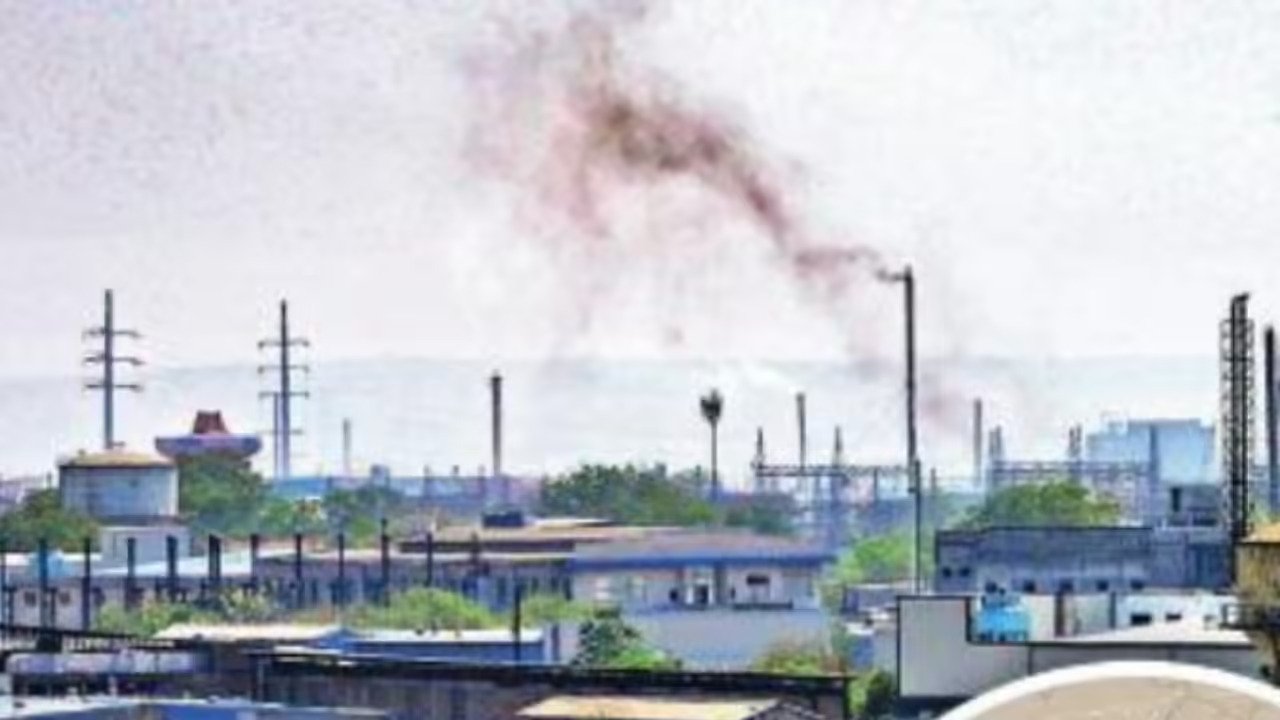
Bhiwandi, Maharashtra’s prominent powerloom hub, is confronting escalating air pollution, with the city consistently recording “very poor” Air Quality Index (AQI) readings. On February 16, AQI levels reportedly reached 312, while PM2.5 concentrations were nearly ten times above World Health Organization (WHO) safety thresholds. Residents report increased respiratory distress, eye irritation, and throat problems, raising concerns over long-term public health in a densely industrialised urban corridor.
Industrial activity remains a primary contributor to the deteriorating air quality. A cluster of sizing, dyeing, and plastic processing units operate across the city, many allegedly burning industrial and plastic waste. Locals from Ashok Nagar, Gopal Nagar, Temghar, and Mansarovar report persistent smoke infiltration even into upper-floor apartments, affecting indoor air quality. Additionally, open burning of industrial scrap near residential zones, particularly in Navi Basti, further aggravates pollution levels. Urban health experts warn that prolonged exposure to PM2.5 and toxic fumes can significantly increase the risk of respiratory illnesses and cardiovascular conditions. Compounding the crisis, ongoing construction and infrastructure projects are generating substantial dust emissions. Road widening works between Anjurphata and Kalyan Naka, linked to the Mumbai Metro Line 5 corridor, have involved the demolition of shops and older structures. Residents allege inadequate debris management, resulting in dust clouds over unpaved stretches and RCC roads. Concurrently, multiple high-rise construction projects have reportedly failed to implement adequate dust-control measures, such as protective netting or covered transport of materials, highlighting gaps in regulatory oversight.
Civic monitoring and enforcement measures have drawn criticism from local residents. Although Bhiwandi Municipal Corporation has installed air quality monitors, citizens cite unclear operational status and insufficient real-time data transparency. Officials acknowledge rising pollution levels and note that enforcement actions, including notices to non-compliant industrial units, are underway. The Environment Head emphasised routine inspections, while the Deputy Municipal Commissioner cited both industrial emissions and construction activities as key sources of concern, stating corrective steps are being initiated. Activists and community leaders argue that current mitigation efforts are inadequate. They point to underutilisation of road-cleaning machinery and irregular water sprinkling to control dust. Civic accountability remains a focal concern, with calls for better inter-departmental coordination, stricter adherence to construction norms, and comprehensive monitoring of industrial emissions.
Urban planners emphasise that Bhiwandi’s rapid industrial and infrastructural expansion necessitates a proactive, people-centric approach to air quality management. Without timely intervention, sustained exposure to high PM2.5 levels could burden healthcare systems, reduce workforce productivity, and compromise urban liveability. Experts suggest integrated measures, including enhanced industrial regulation, dust-control enforcement, and real-time public reporting, to avert a full-scale environmental health crisis.
Bhiwandi Residents Struggle Amid Industrial Pollution