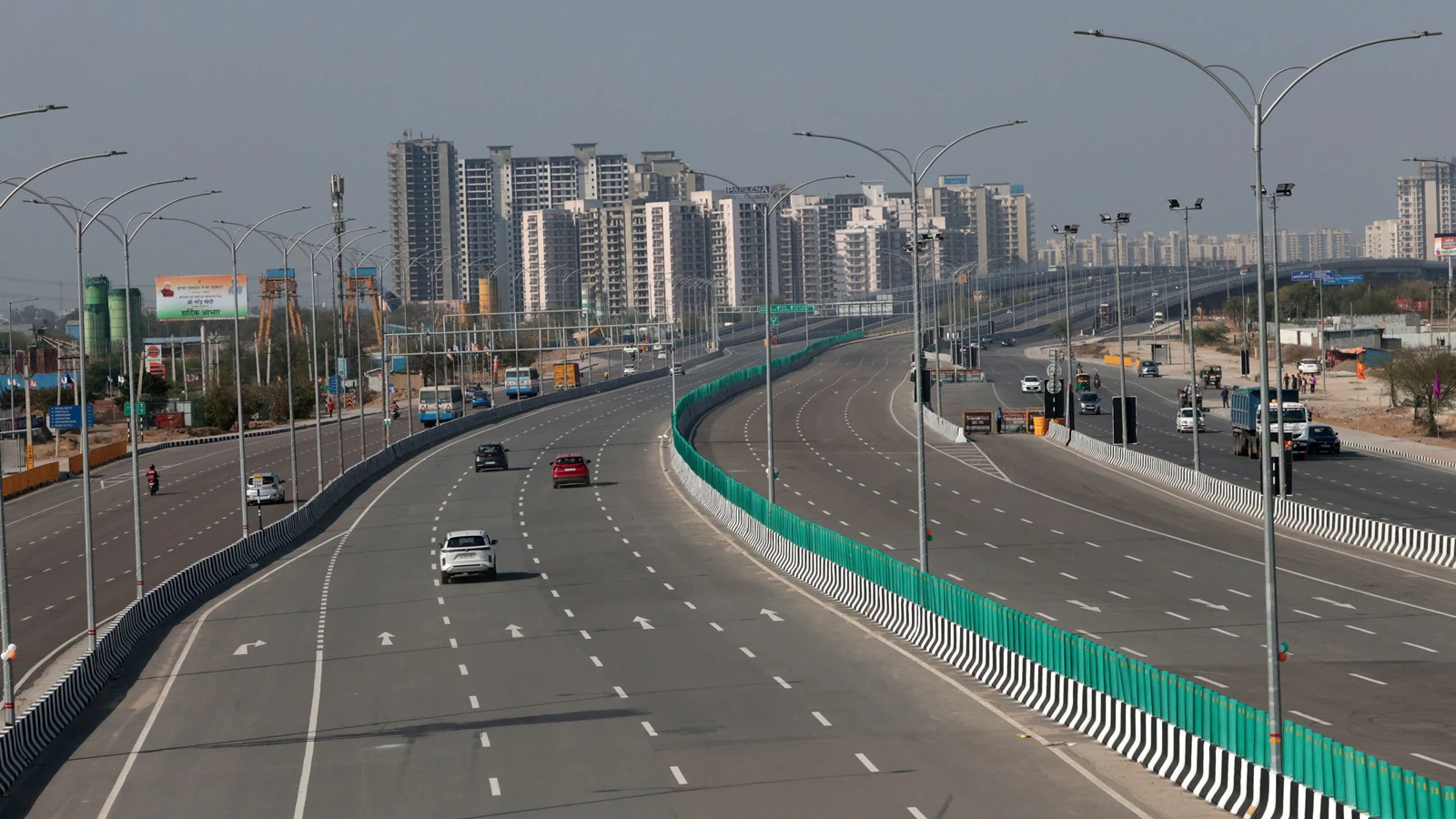
The National Highways Authority of India (NHAI) has issued a ₹132.28-crore tender for the development of a dedicated entry and exit point at Lamaj on the Mumbai–Vadodara National Highway in Bhiwandi taluka. This project is expected to streamline highway access for local commuters and support industrial and commercial activity in the rapidly growing region.
The Lamaj entry–exit point has been a longstanding demand from residents and businesses seeking safer and more direct access to the national highway network. Urban planners note that improved access points reduce congestion on secondary roads, enhance traffic flow, and can lower accident risk by providing well-designed entry and exit facilities. Officials indicate that the tender issuance marks a critical step in integrating Bhiwandi’s local road network with one of India’s busiest industrial corridors. The new infrastructure is projected to not only shorten commuting times but also facilitate more efficient movement of goods, particularly benefiting small and medium enterprises concentrated in the Bhiwandi industrial belt.
According to senior transport officials, the project has been prioritised following persistent advocacy by regional representatives and citizen committees. These groups highlighted the economic and social necessity of a Lamaj highway access point to the Union Ministry of Road Transport and Highways, underscoring the intersection of civic engagement and central infrastructure planning. Once operational, the Lamaj access point is expected to play a pivotal role in regional urban mobility. Traffic management specialists note that such interventions can lead to more equitable connectivity, providing residents in peripheral areas with seamless access to major highways while supporting broader regional economic development.
The project is also anticipated to create direct and indirect employment opportunities during construction and through improved industrial logistics post-completion. Local authorities project that smoother highway access will catalyse growth in warehousing, trade, and transport services, aligning with long-term urban development strategies aimed at sustainable economic expansion. Infrastructure experts emphasise that while the Lamaj project primarily addresses mobility, it also contributes to climate-conscious urban planning. By reducing vehicle idling times and congestion on local feeder roads, the design is expected to lower emissions and promote more energy-efficient movement of people and goods.
The NHAI tender process, officially initiated on January 16, 2026, now sets the stage for project execution. Completion timelines are yet to be confirmed, but the initiative is seen as a model of combining central investment with local advocacy to address persistent infrastructure gaps in fast-growing urban-industrial regions. As Bhiwandi integrates more closely with the national highway network, residents, commuters, and businesses can anticipate improved connectivity, reduced travel times, and enhanced opportunities for economic growth and employment.
Bhiwandi Infrastructure Boost With New Highway Access