


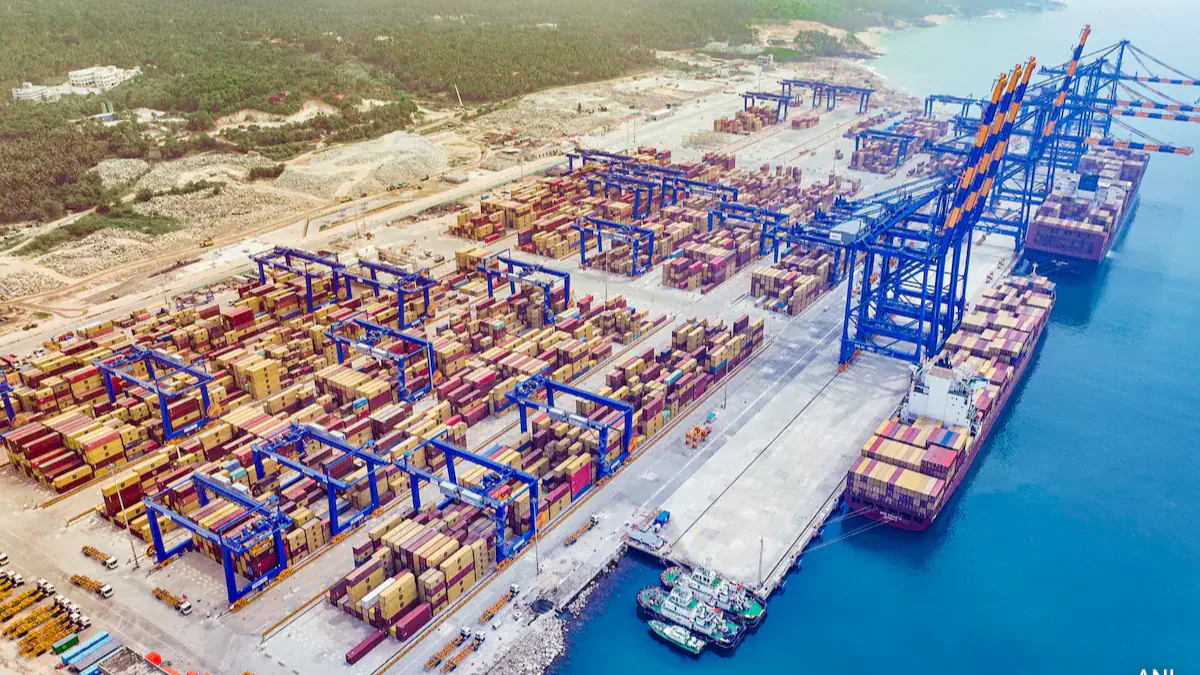
India has taken a decisive step towards reshaping its maritime logistics ecosystem with renewed momentum behind the proposed Bharat Container Shipping Line, a nationally anchored initiative aimed at reducing dependence on foreign carriers while generating employment across port cities. The move carries wide implications for trade resilience, urban economies and the future structure of India’s shipping and logistics sector.
Senior officials associated with the programme indicate that the Bharat Container Shipping Line is envisioned as a commercially viable operator with a strategic mandate. The proposed model focuses on deploying container vessels on key international and regional routes linked to Indian ports, addressing long-standing concerns over freight volatility and capacity constraints during global disruptions. India currently relies heavily on overseas shipping companies for containerised cargo, a structural dependence that industry analysts say exposes exporters and importers to sharp cost swings and limited negotiating power. A domestically aligned container shipping line could improve predictability in freight availability and pricing, particularly for small and medium enterprises that are most vulnerable to logistics shocks. Beyond trade competitiveness, the initiative is expected to have a tangible employment impact. Maritime economists estimate that a national container line would create direct jobs in vessel operations, port services and shipping management, while also supporting indirect employment across ship repair, logistics parks, warehousing and inland transport. These jobs are concentrated in coastal urban regions, where ports function as critical economic anchors.
Urban planners highlight that stable shipping operations can influence land-use patterns and infrastructure investment in port cities. Predictable cargo flows support the development of multimodal logistics hubs, industrial estates and export-oriented manufacturing clusters. If aligned with city planning frameworks, this can contribute to more balanced urban growth rather than fragmented port-led expansion. Environmental considerations are also shaping the initiative’s long-term design. Officials involved in planning note that future fleet acquisition is expected to align with international emissions norms, with an emphasis on fuel efficiency and readiness for alternative fuels. While shipping remains carbon-intensive, such measures are increasingly seen as essential to ensure that port-led growth does not undermine climate-resilient urban development.
However, experts caution that execution will determine outcomes. Governance clarity, professional management and financial discipline will be critical to avoid inefficiencies that have affected state-linked transport ventures in the past. Integration with port modernisation programmes, digital logistics platforms and skill development initiatives will also influence whether job creation is sustainable and inclusive. As India’s trade volumes expand and global supply chains diversify, the Bharat Container Shipping Line represents a strategic attempt to align maritime capacity with national economic priorities. For cities and regions dependent on ports, the real test will be whether this initiative delivers not only cargo capacity, but also stable employment, resilient logistics and responsible infrastructure growth over the long term.
Also Read: Mumbai Eastern Waterfront Project Redefines Coastal Economy
Bharat Shipping Line Reshapes Maritime Employment Landscape
