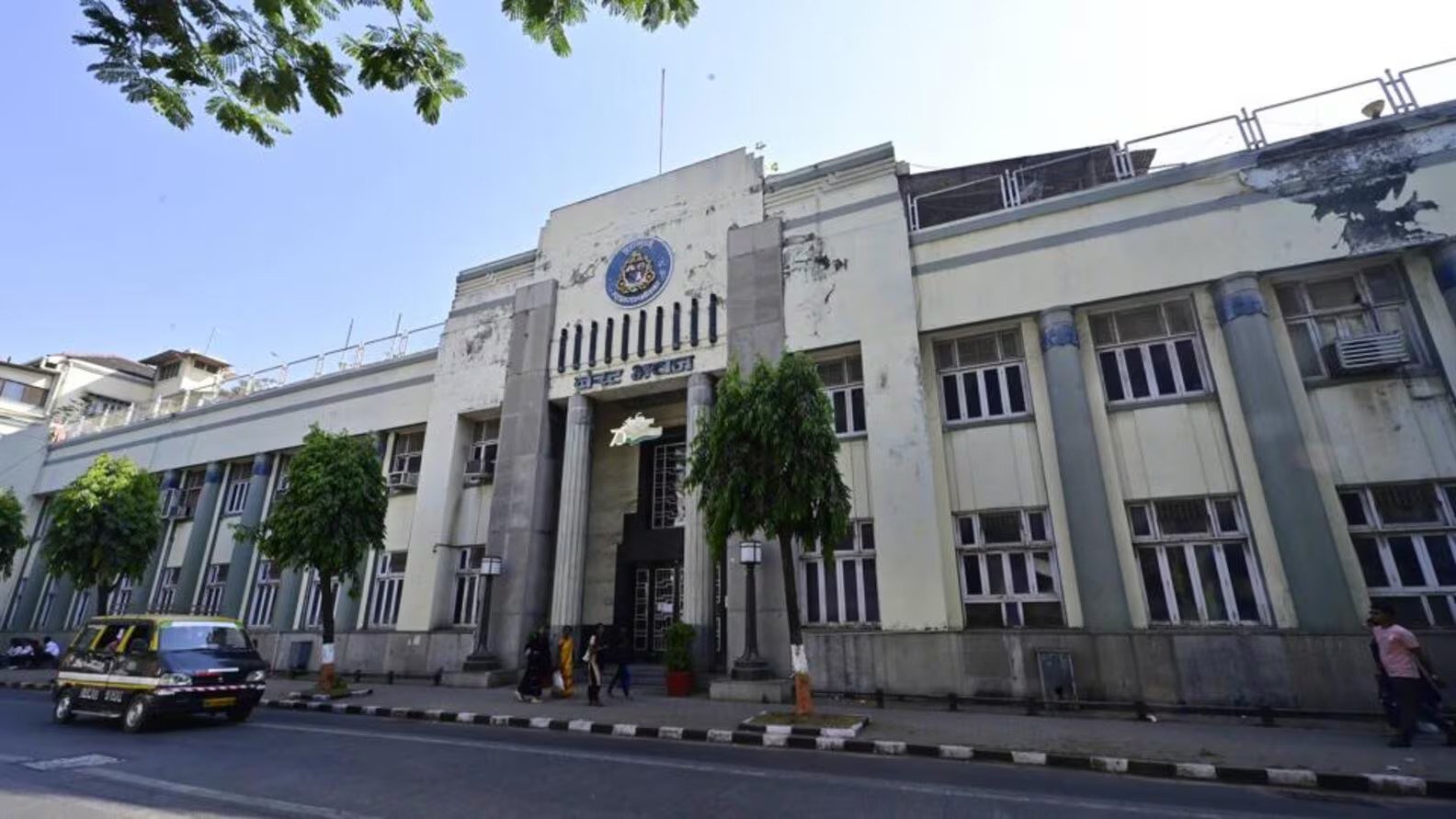
Concerns over revenue optimisation have surfaced within Mumbai’s public transport undertaking, as internal reviews flag potential undervaluation of commercial real estate assets across the city. The issue gains significance at a time when the transport body continues to face mounting financial stress, with accumulated losses exceeding ₹10,000 crore and increasing dependence on non-fare revenue streams.
Recent deliberations within the civic committee indicate that multiple commercial properties owned by the undertaking—spanning depots, transit nodes, and high-footfall urban locations—have been offered for lease at rates significantly below prevailing market benchmarks. These include spaces in some of Mumbai’s busiest commercial corridors, where demand for retail and service-oriented establishments remains consistently high. Committee members have raised concerns that such pricing decisions may be undermining the organisation’s ability to generate sustainable revenue. According to officials involved in the review process, leasing rates at several sites appear to be a fraction of typical market values, prompting calls for detailed inspections and a reassessment of valuation methodologies.
The portfolio under scrutiny includes over 30,000 square feet of commercial space distributed across key neighbourhoods such as south Mumbai, western suburbs, and central transit hubs. These locations—often adjacent to railway stations, arterial roads, and dense residential clusters—are considered prime assets due to their visibility and accessibility. Urban economists note that public agencies increasingly rely on land monetisation strategies to support operational costs, especially in sectors like public transport where fare revenues alone are insufficient. In this context, underpricing of assets not only affects financial viability but also raises broader questions about governance, transparency, and efficient utilisation of public land.
However, officials within the administration point to structural and regulatory constraints that may influence pricing. Many of the properties are older constructions, some dating back several decades, and may require significant upgrades to meet contemporary commercial standards. In addition, unresolved compliance issues—such as pending property tax liabilities or lack of basic service connections—can impact tenant interest and rental valuations. Real estate experts suggest that while asset condition and regulatory limitations can justify some pricing adjustments, large gaps between offered rates and market benchmarks warrant closer examination. They emphasise the need for professional valuation frameworks that consider both location advantages and asset quality, ensuring balanced and transparent pricing strategies.
The debate also intersects with broader urban development priorities. Efficient monetisation of public assets can support investments in sustainable mobility, including fleet modernisation and expansion of electric buses. Conversely, missed revenue opportunities may constrain the ability of public transport systems to transition towards cleaner and more resilient operations. With site inspections underway and further review expected, the outcome could shape how public land assets are managed in Mumbai going forward. The challenge lies in aligning financial sustainability with equitable and accountable urban governance, particularly in a city where land remains one of the most valuable and contested resources.
BEST Leasing Commercial Space At Rates Far Below Market