Amritsar Smart Waste Monitoring Reaches 1.5 Lakh Homes
Bengaluru generates an estimated 5,000 to 6,000 metric tonnes of waste daily, with nearly 60 percent consisting of unsegregated wet matter suitable for composting. This growing volume is testing the city’s centralised waste infrastructure and prompting municipal authorities and urban planners to evaluate more decentralised strategies to reduce landfill dependence and environmental impact.
City officials acknowledge that rapid population growth, rising consumption, and inadequate segregation at source are creating bottlenecks across collection, transportation, and disposal. Traditional centralised waste processing, including large-scale landfills and treatment plants, is increasingly unsustainable due to space constraints, regulatory pressures, and community opposition. Urban planners note that decentralised composting, micro-processing units, and community-level resource recovery can complement existing systems while reducing greenhouse gas emissions.
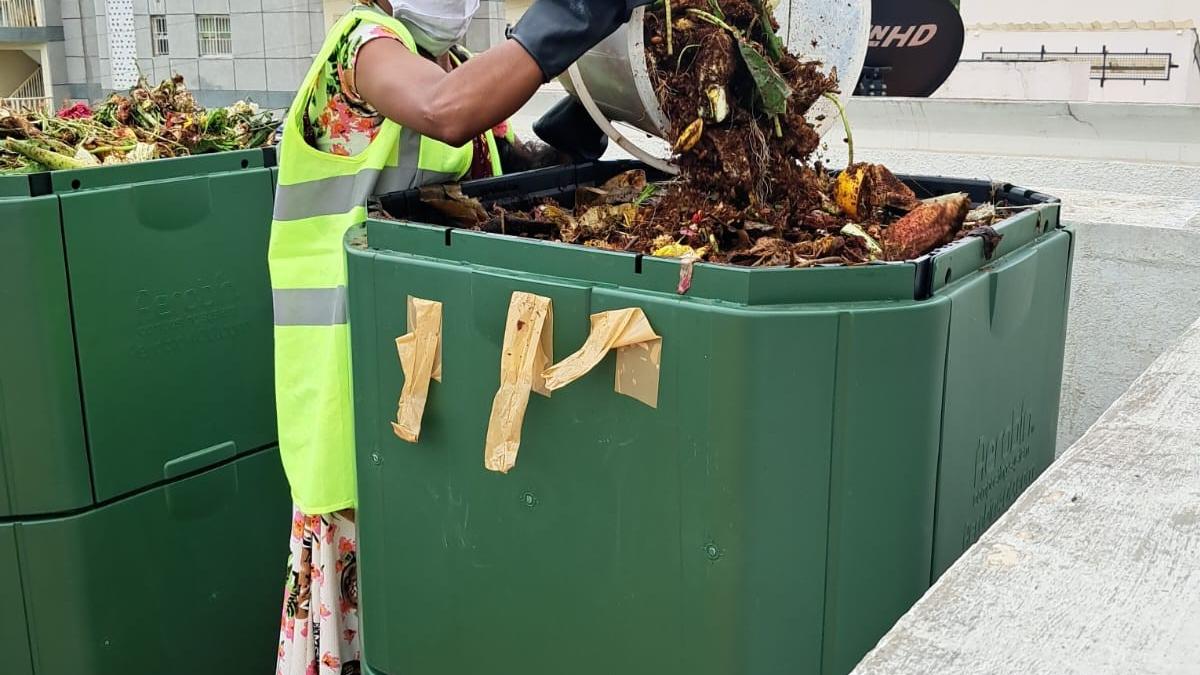
Economic and social implications are significant. Waste mismanagement increases municipal expenditure on transport and landfill maintenance, while missed opportunities in composting and biogas generation represent foregone revenue streams. A senior waste management official highlights that neighbourhood-level solutions can not only lower operational costs but also generate local employment in green jobs, fostering inclusive growth. Experts emphasise that decentralisation aligns with broader sustainable urban development goals. Small-scale composting hubs within residential enclaves or commercial clusters reduce the need for long-haul transport, improve recycling rates, and enable citizens to participate directly in circular economy practices. Cities that have adopted such models report better waste segregation compliance, increased organic fertiliser production, and measurable reductions in landfill methane emissions.
However, scaling these initiatives across a city of Bengaluru’s size presents logistical and behavioural challenges. Sustained public awareness campaigns, incentivisation for segregating wet and dry waste, and streamlined regulatory support are critical. Industry observers point out that integrating digital monitoring, traceability, and partnerships with private operators can improve accountability and efficiency at the local level. For Bengaluru, embracing decentralised approaches could relieve pressure on overburdened landfills, cut carbon emissions, and support a more climate-resilient urban ecosystem. While centralised infrastructure remains essential, hybrid systems that combine citywide oversight with empowered local actors may define the next phase of waste management, offering both environmental and economic benefits to the city and its residents.