


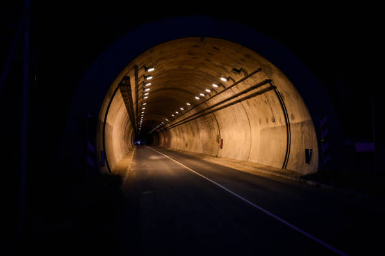
Bengaluru is set to embark on a transformative yet daunting infrastructure project aimed at alleviating the city’s notorious traffic congestion. Karnataka’s Deputy Chief Minister, who also oversees Bengaluru’s development, has proposed an ambitious 60-kilometre network of underground roads. This plan includes a significant first phase linking north Bengaluru’s Esteem Mall area to the Silk Board Junction in the southeast, covering a distance of 18.5 kilometres. However, the proposed project, estimated at a staggering Rs30,000 crore—or Rs500 crore per kilometre—faces several formidable challenges.
The proposed tunnels are intended to alleviate the city’s traffic woes but come with an enormous price tag. The Deputy Chief Minister’s request for central funding, submitted to the Union Finance Minister in December 2023, highlights the substantial financial burden. This request comes as the state grapples with an annual expenditure of Rs56,000 crore related to five key guarantees made during the previous election campaign. Experts caution that the project’s feasibility hinges on a rigorous scientific evaluation of Bengaluru’s soil conditions. The city’s previous metro tunnel projects have experienced complications, such as sinkholes, due to the complex soil profile.
Bengaluru’s soil structure varies significantly, with hard rock layers lying approximately 8 metres below the surface, underlain by a mix of silty sand, clay, and gravel. This challenging geotechnical environment necessitates meticulous planning and execution to prevent structural failures and environmental hazards. The city’s high population density and intricate construction landscape further complicate the tunnelling process. Potential conflicts with existing underground utilities, including water and sewage pipelines, metro lines, and the deep foundations of high-rise buildings, pose additional risks. The project’s complexity is exacerbated by the necessity to avoid disturbing these crucial infrastructures.
Moreover, there is concern that adding more roads, whether overground or underground, might inadvertently encourage increased private vehicle use, counteracting efforts to reduce traffic congestion. Bengaluru’s existing underground facilities have faced issues such as flooding during heavy rains, raising questions about the safety and maintenance of new tunnels. Given these concerns, an alternative approach could be to enhance and expand the city’s public transport infrastructure. Investing in improved bus and metro services may offer a more sustainable and cost-effective solution, addressing both congestion and safety while providing a reliable mode of transport for residents.
In summary, while Bengaluru’s proposed underground tunnel network promises potential benefits, it is fraught with significant challenges. Careful consideration and strategic planning will be essential to mitigate risks and ensure that the project delivers long-term value to the city.
