


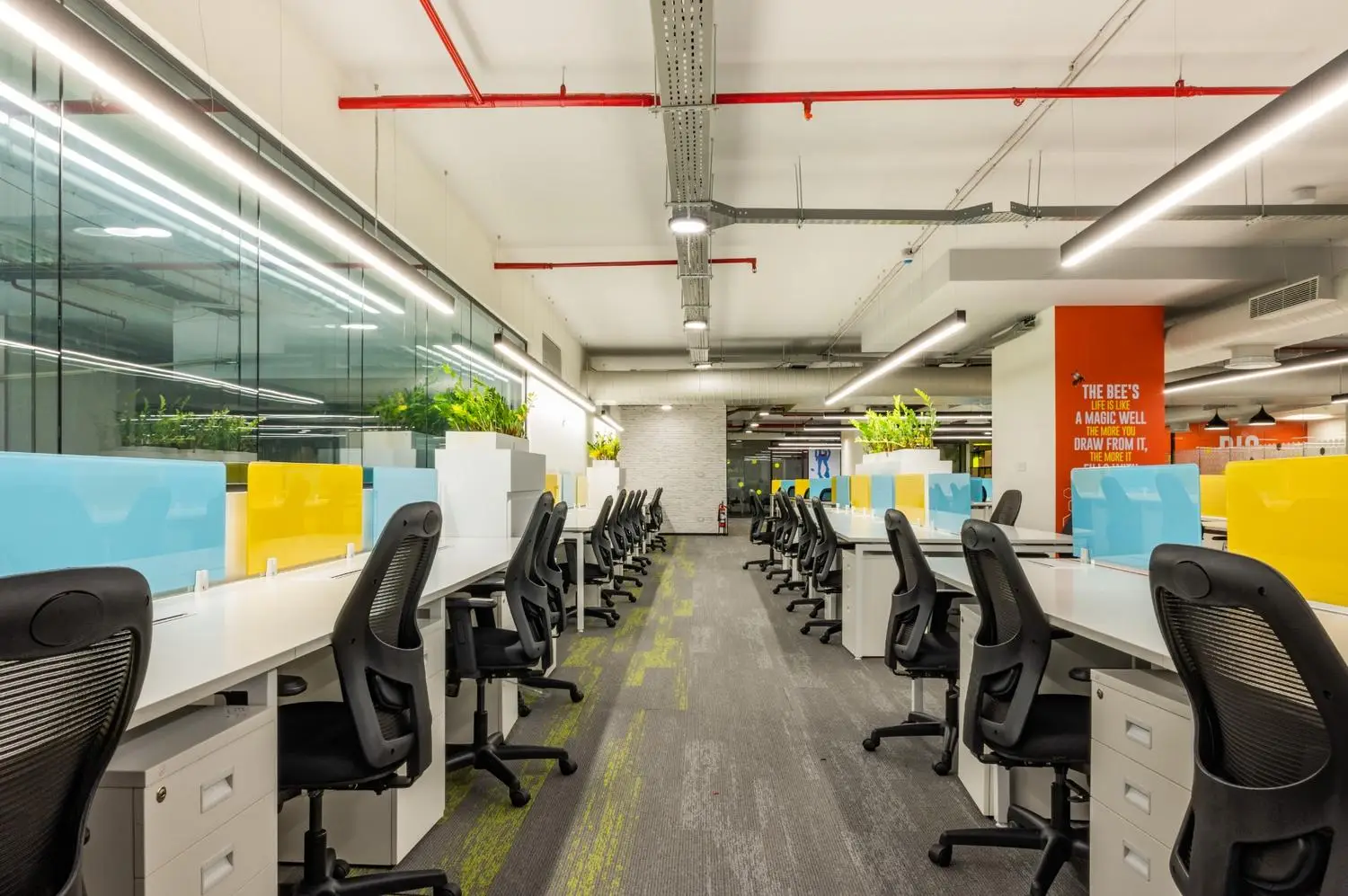
Bengaluru’s flexible office market has received a significant boost following a major workspace agreement between a managed office provider and a healthcare technology global capability centre (GCC).
The deal, valued at several hundred million rupees, reflects sustained demand for agile workspaces as companies recalibrate their real estate strategies.The Bengaluru workspace deal highlights the continued expansion of GCCs in the city, which has emerged as a preferred destination for global firms seeking talent, cost efficiency and innovation ecosystems. Flexible workspace operators are increasingly catering to this segment by offering scalable, fully serviced office environments that can adapt to evolving business need.Industry experts note that the Bengaluru workspace deal is indicative of a broader shift in commercial real estate, where occupiers are moving away from traditional long-term leases towards more flexible arrangements. This trend has been accelerated by hybrid work models, which require organisations to optimise space utilisation while maintaining operational flexibility.From an urban development perspective, the rise of flexible workspaces is reshaping how office districts function.Instead of static, single-tenant buildings, there is growing demand for dynamic, multi-tenant environments that can accommodate diverse industries. This shift is influencing building design, location preferences and infrastructure requirements across Bengaluru’s commercial hubs.The deal also underscores the importance of the healthcare technology sector within the city’s economic landscape.
As digital health solutions gain traction globally, companies in this space are expanding their presence in key innovation centres. Bengaluru’s established technology ecosystem and skilled workforce make it an attractive location for such investments.Economic implications extend to the broader real estate market. Increased demand for flexible office spaces can drive occupancy rates, support rental stability and encourage further investment in commercial assets. At the same time, it may lead to a reconfiguration of existing office inventory, with landlords adapting properties to meet changing tenant expectations.Sustainability considerations are becoming integral to workspace design and operations. Flexible office providers are incorporating energy-efficient systems, shared resources and optimised layouts to reduce environmental impact. In a city like Bengaluru, where commercial development continues to accelerate, aligning office growth with sustainability goals is essential.There are also implications for urban mobility and infrastructure. Concentrations of office spaces influence commuting patterns, public transport demand and traffic flows.Integrating workspace developments with transit-oriented planning can help reduce congestion and improve accessibility.The Bengaluru workspace deal reflects the city’s evolving role as a global business hub, where innovation, flexibility and scalability are key drivers of growth. As companies continue to adapt to changing work environments, demand for managed office solutions is expected to remain strong.
Looking ahead, the trajectory of Bengaluru’s commercial real estate sector will depend on its ability to balance growth with sustainability and infrastructure readiness. The expansion of flexible workspaces offers an opportunity to create more adaptive and resilient urban environments that support both economic activity and quality of life.
Also Read:Bengaluru Property Tax Revenue Boosts Urban Infrastructure Funding
