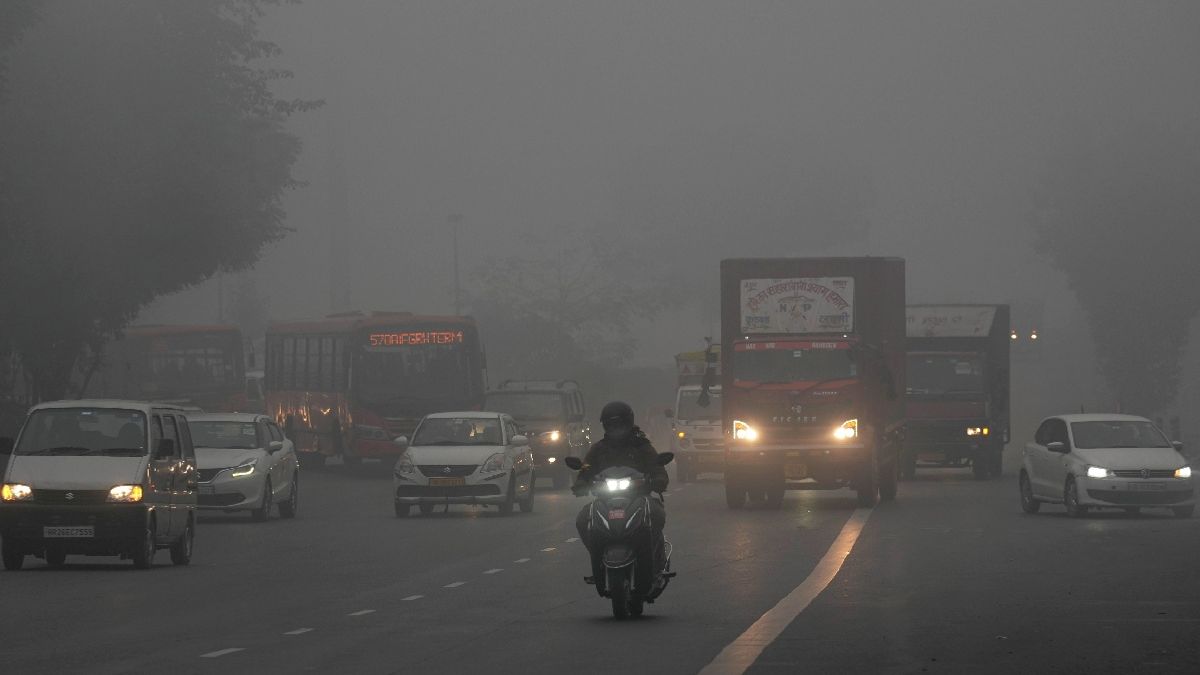
Bengaluru weather turns colder as yellow alert issued
Bengaluru entered 2026 under a noticeably colder spell, with minimum temperatures dipping below seasonal averages and north-eastern Karnataka districts placed under a Cold Wave Yellow Alert. The city recorded lows of 14°C across its urban, south, and rural zones, signalling the influence of the ongoing winter cycle following the withdrawal of the Northeast Monsoon. While Bengaluru itself is not under a cold wave warning, residents experienced crisp mornings and chilly nights, highlighting the city’s vulnerability to sudden winter fluctuations.
Meteorologists attribute the early-morning drop to clear skies and persistent dry northerly winds, which intensify nocturnal cooling across the urban landscape. Although daytime temperatures are expected to remain moderate, above-average readings will contrast sharply with cold dawns and late evenings, creating a significant thermal range that impacts daily routines and commuter comfort. Urban planners note that such swings in temperature can increase energy consumption for heating and affect outdoor activities in high-density areas.North interior Karnataka faced more severe conditions, prompting state agencies to issue a Cold Wave Yellow Alert for Bidar, Vijayapura, and Kalaburagi. Bidar recorded a frigid 6.4°C, Vijayapura 9.9°C, and Kalaburagi 10.1°C, making these districts among the coldest in the state. Citizens have been advised to reduce exposure to early-morning chill and take precautions against potential cold-related health risks. Other northern and central districts, including Belagavi (8.7°C), Bagalkote (9.9°C), Raichur (10.4°C), Dharwad (10.7°C), and Gadag (10.7°C), also saw sharp temperature drops.
In south interior Karnataka, towns such as Chikkamagaluru (11.1°C), Hassan (13.1°C), Tumakuru (13.1°C), Kolar (13.3°C), and Chitradurga (13°C) experienced pronounced winter mornings. Coastal districts remained comparatively warmer due to maritime influence, with Udupi at 19.2°C and Dakshina Kannada at 20.8°C, demonstrating a clear climatic divide between inland and coastal regions.The India Meteorological Department (IMD) forecasts dry conditions for Bengaluru over the next several days, with minimal rainfall expected. The absence of cloud cover may sustain low night-time temperatures, emphasising the importance of preparedness for residents and urban service providers. Experts recommend layering clothing during early hours, especially for vulnerable groups, while municipal authorities continue monitoring energy and health services to mitigate cold-related risks.
This early-winter pattern underscores the need for Bengaluru to integrate climate-sensitive planning into urban infrastructure, ensuring resilience against seasonal extremes. From energy management to public health advisories, cities in Karnataka must balance citizen comfort with adaptive measures that address both temperature fluctuations and broader climate resilience objectives.