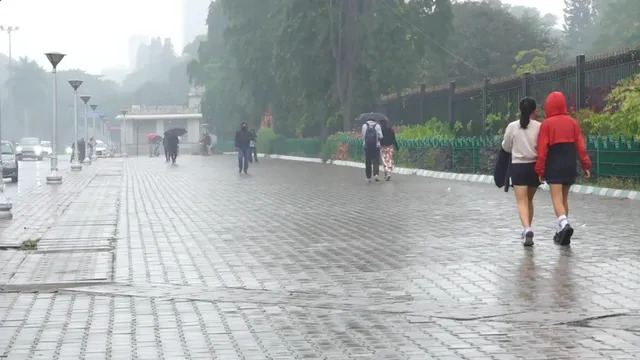
Bengaluru Weather Shifts Spark Spike In Respiratory Complaints
A surge in respiratory and fever-related illnesses is being reported across Bengaluru, as the city experiences pronounced daily temperature fluctuations. Chilly nights averaging 13–14°C followed by daytime highs approaching 31°C are placing unusual stress on residents, prompting medical authorities to flag potential public health risks.
Urban health specialists note that these rapid transitions challenge the human body’s ability to regulate internal temperature. Frequent swings from cool night air to warm afternoon heat can disrupt sleep patterns, induce fatigue, and temporarily weaken immune defences, increasing susceptibility to viral infections. Clinics report higher patient volumes with persistent cough, sore throat, low-grade fever, and mild breathlessness, particularly among children, the elderly, and those with chronic respiratory conditions.
Environmental conditions are compounding the issue. Low humidity and dry air are prevalent across the city, drying the protective mucous lining of the nose and throat, which can facilitate the entry of pathogens. Daily commuters appear especially affected, moving between air-conditioned workplaces, traffic-heavy roads, and outdoor heat, exposing themselves repeatedly to contrasting conditions that strain both respiratory and cardiovascular systems. Some patients have experienced transient dizziness or blood pressure fluctuations due to the combination of cold night-time temperatures and sudden daytime warmth. Urban planners and public health analysts caution that these weather-induced health effects are symptomatic of broader climate dynamics affecting Indian metropolitan centres. Rapid warming trends, coupled with urban heat island effects, can amplify within-day temperature variations, leading to higher incidences of seasonal respiratory ailments. Hospitals and primary care facilities may face increased outpatient loads if these swings persist, affecting workforce productivity and citywide healthcare expenditure.
From an economic and civic perspective, experts suggest that the public, private sector, and urban authorities must adopt adaptive measures. Layered clothing during early mornings and nights, hydration, sun exposure management, and consistent sleep routines are recommended basic precautions. Simultaneously, city health departments are being urged to strengthen awareness campaigns and expand community healthcare access, particularly for vulnerable populations. While Bengaluru’s weather shifts are temporary within the seasonal transition, analysts note that continued monitoring and citizen education are crucial. Preparing urban populations to manage temperature stress not only reduces health system pressure but also aligns with sustainable, climate-resilient city planning principles that prioritise both human and economic well-being.