


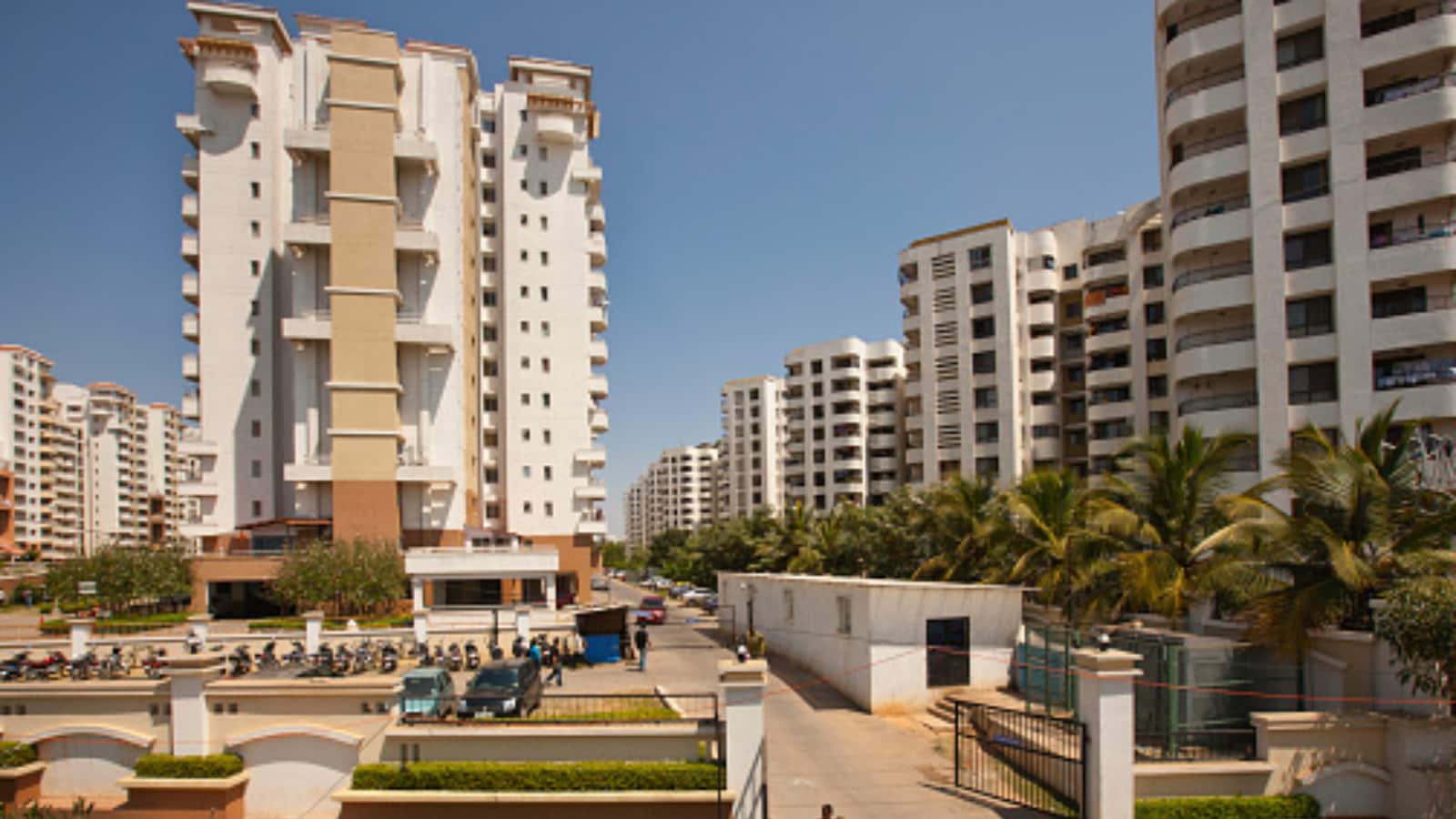
Bengaluru is set to add around 4,000 new housing units under a large-scale vertical development programme led by the city’s planning authority, marking a significant shift in how urban density is being managed.
The initiative, anchored in a ₹3,200 crore investment, signals a move towards high-rise residential formats to address land constraints and growing housing demand.The proposed development, part of the broader Bengaluru vertical housing strategy, aims to optimise land use by building upwards rather than expanding horizontally. Urban planners note that such projects are increasingly necessary in cities where available land is limited and urban sprawl has strained infrastructure and commute times.Officials indicate that the housing units will be developed across multiple sites, targeting a mix of income groups. The approach reflects an attempt to balance affordability with efficient land utilisation, though experts emphasise that equitable access will depend on pricing structures and allocation mechanisms. Ensuring that lower- and middle-income households benefit from Bengaluru vertical housing remains a key policy consideration.From an infrastructure standpoint, vertical developments require robust support systems, including water supply, sewage management, power distribution, and transport connectivity.
Analysts highlight that without parallel investments in these areas, high-density housing can place additional pressure on already stretched urban services.The project also intersects with sustainability goals. High-rise buildings, when designed with energy-efficient systems and green building standards, can reduce per capita land consumption and support compact city models. However, experts caution that environmental performance depends on careful planning, including ventilation, waste management, and access to open spaces.There are broader implications for Bengaluru’s real estate market as well. The scale of the project could influence pricing dynamics, increase formal housing supply, and potentially moderate speculative trends in certain segments. It may also encourage private developers to adopt similar vertical models, accelerating the city’s transition towards denser urban forms.At the same time, community design and liveability remain critical concerns. Urban designers stress the importance of integrating social infrastructure—such as schools, healthcare, and recreational spaces—within or near such developments to ensure that high-density living does not compromise quality of life.
As the Bengaluru vertical housing initiative moves forward, its success will depend on execution, infrastructure alignment, and inclusivity. If implemented effectively, it could offer a blueprint for managing growth in other rapidly urbanising Indian cities, where balancing density, affordability, and sustainability is becoming an urgent priority.
Also Read:Bengaluru Hotel Expansion Gains Momentum With New Signing
