


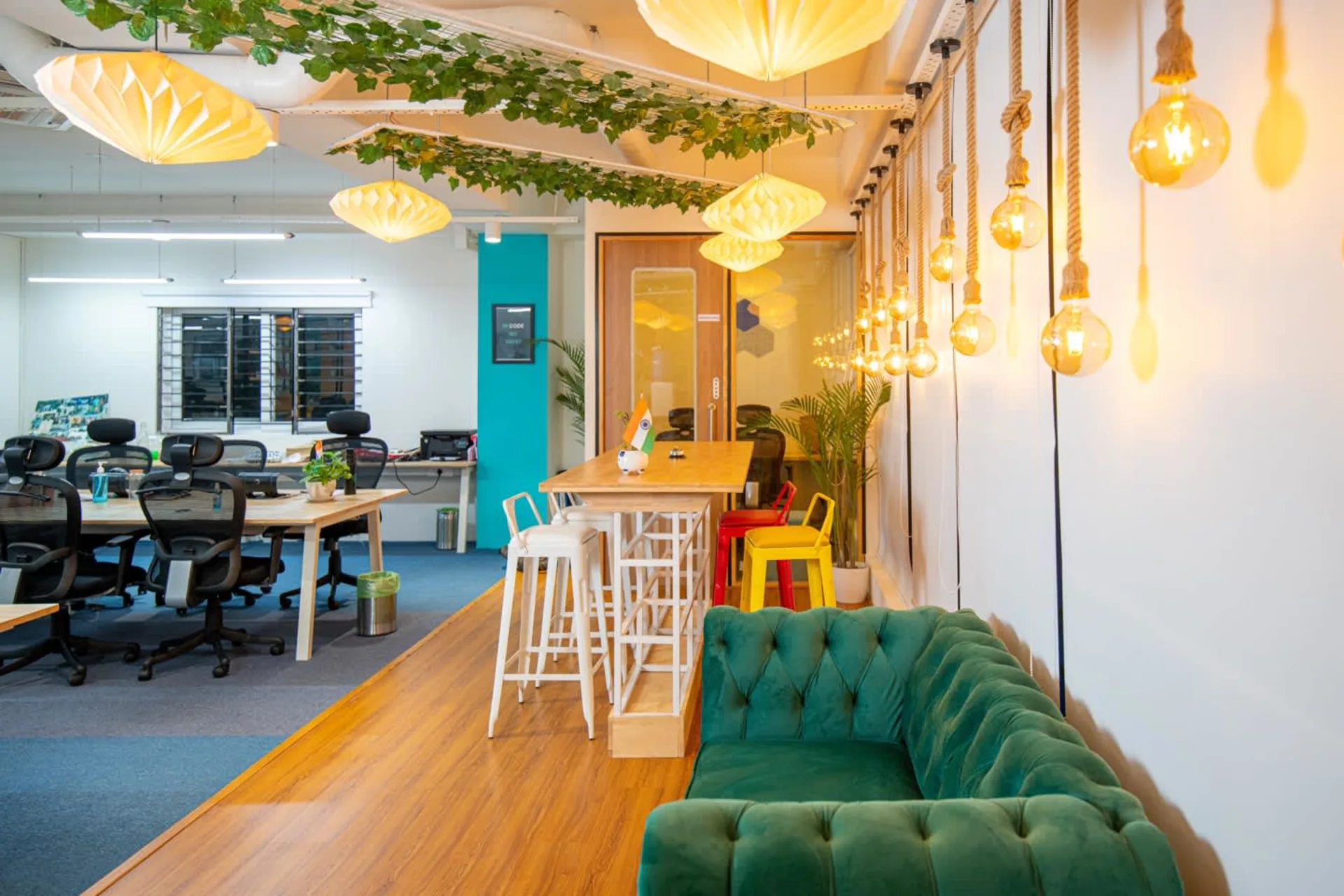
Bengaluru continues to reinforce its position as India’s leading hub for Global Capability Centres, with a flexible workspace operator leasing over 21,000 sq ft of office space to three Japanese multinational firms. The transaction highlights sustained international confidence in the city’s talent pool, infrastructure, and evolving commercial real estate ecosystem.
According to industry disclosures, the leased offices will support Global Capability Centres for Japanese companies operating across manufacturing, engineering, electronics, and automotive segments. The deal adds to a growing list of foreign firms choosing Bengaluru to anchor strategic operations beyond traditional software services, reflecting the city’s expanding role in global value chains. Industry experts note that Japanese corporations have traditionally adopted cautious entry strategies in overseas markets. “When Japanese firms commit to GCCs, it signals long-term intent rather than short-term experimentation,” said a senior commercial real estate consultant. “Bengaluru’s combination of skilled manpower, operational scalability, and maturing office infrastructure makes it a natural choice.” With these additions, the workspace provider’s portfolio now supports more than 50 Global Capability Centres across major Indian cities. The firm has steadily expanded its footprint to cater to multinational occupiers seeking managed, scalable, and compliance-ready office environments. Its current portfolio spans over 2.8 million sq ft across Bengaluru, Pune, Gurugram, and other urban centres, accommodating more than 70,000 workstations.
An industry executive associated with the leasing firm said the demand pipeline reflects a broader shift in how global corporations view India. Beyond cost advantages, companies are increasingly focused on resilience, innovation, and proximity to engineering and research talent. Manufacturing-linked GCCs, in particular, are gaining momentum as firms integrate digital engineering, automation, and analytics into core operations. The trend also carries implications for urban development. As Bengaluru attracts diversified global functions, planners and developers face growing responsibility to align commercial growth with sustainable mobility, energy-efficient buildings, and inclusive workplace design. Experts argue that flexible office models, when planned well, can reduce urban sprawl and support more efficient use of existing infrastructure. Bengaluru’s commercial property market has shown resilience amid global economic uncertainty, supported by steady leasing from multinational firms. Analysts point out that demand is increasingly broad-based, extending beyond technology to sectors such as industrial engineering, electronics, and advanced manufacturing.
As India positions itself as a strategic destination for global capability centres, Bengaluru’s ability to balance growth with sustainability will be closely watched. The city’s success in attracting long-term international occupiers underscores both its economic strengths and the need for coordinated urban planning that supports equitable, future-ready workplaces.
Also Read: Bengaluru Walmart Secures Over One Lakh Sq Ft Office Space Near Airport
Bengaluru Urban Vault Signs 21,000 Sq Ft Lease With Three Japanese Firms
