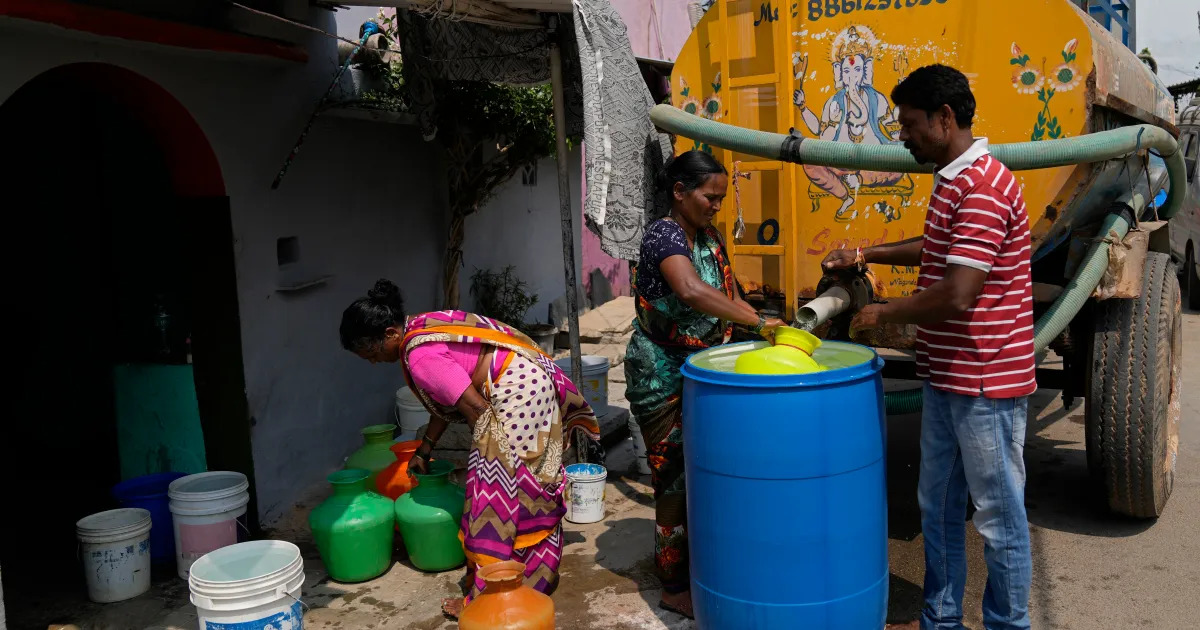
Bengaluru Urban Areas To Receive Emergency Water Tanks
Bengaluru is adopting a proactive approach to avert water shortages this summer, with the municipal water authority set to deploy small-scale storage tanks across high-demand neighbourhoods. The initiative reflects an effort to address recurring supply challenges in a rapidly urbanising city where population density and seasonal variability strain existing infrastructure.
The Bangalore Water Supply and Sewerage Board (BWSSB) has identified areas most vulnerable to summer shortages and plans to install “mini water tanks” to provide residents with direct access to drinking water. This move comes after recent analyses by urban planners and infrastructure experts highlighted that the city’s conventional distribution network often falters during peak demand, leaving residents reliant on private water vendors or temporary solutions. Industry observers note that small-scale storage units such as Sintex tanks, when strategically placed, can serve as buffer points in the supply chain. They reduce dependency on centralised water flows, ensure equitable distribution, and provide critical relief to densely populated wards. For cities like Bengaluru, which face seasonal variability exacerbated by climate change, such decentralised interventions represent a cost-effective step towards urban water resilience.
Beyond infrastructure, the authority is emphasising active field supervision. Senior engineers and inspectors are expected to operate on-site rather than from offices, ensuring timely water delivery and monitoring tanker logistics. Priority is to be given to municipal tankers and mobile water units, while private vendors are reserved for emergency supplementation. Urban management experts suggest this hands-on approach could improve accountability and responsiveness, potentially setting a benchmark for other Indian metros experiencing similar supply stresses. From an economic standpoint, reliable access to municipal water mitigates costs for households and reduces the informal water economy that often emerges during scarcity. It also supports property markets and local businesses that depend on uninterrupted water supply, reinforcing the city’s broader infrastructure resilience.
However, experts caution that mini tanks are an interim measure. Long-term solutions require investment in capacity expansion, improved reservoir management, leak reduction, and smart distribution technologies. Cities like Bengaluru, with sprawling urban footprints and uneven development patterns, need integrated water resource planning to complement short-term crisis mitigation. As summer approaches, residents can expect more predictable water access in identified zones, while the authority’s intensified field oversight aims to prevent a repeat of previous years’ supply disruptions. The initiative underscores the importance of combining infrastructure adaptation with operational vigilance to strengthen urban water security.