


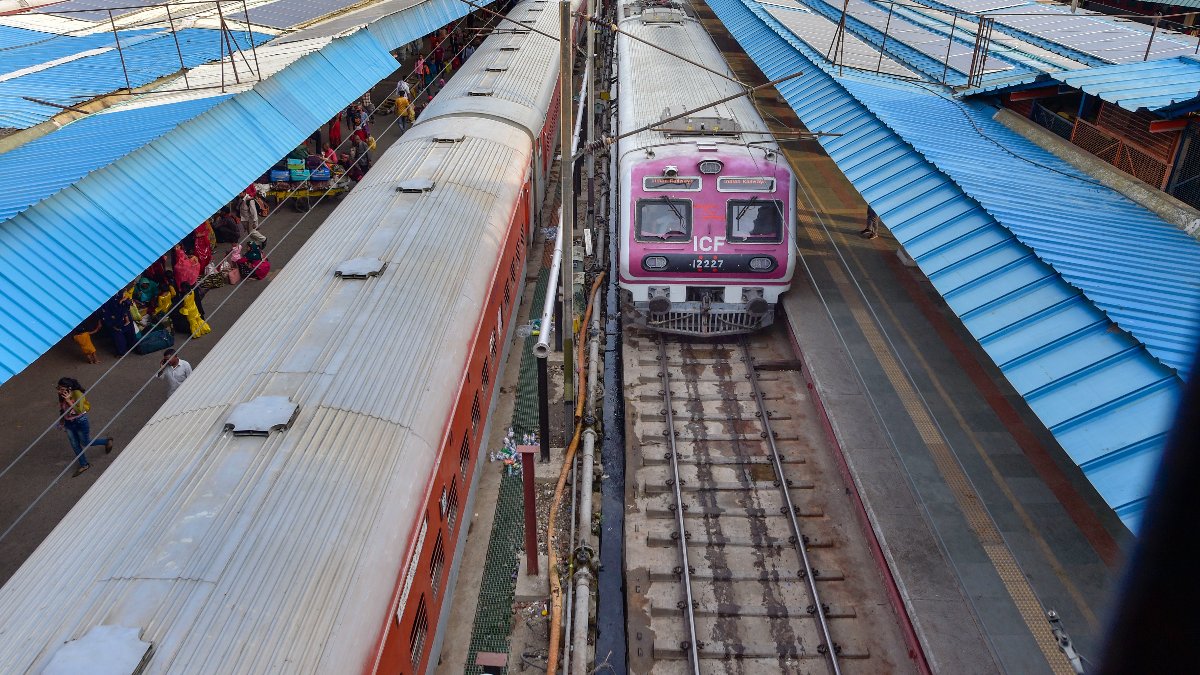
Bengaluru Adds Festival Rail Capacity To Manage Ugadi Travel Surge
Rail authorities have announced additional train services from Bengaluru to key destinations across Karnataka and neighbouring regions to manage the seasonal surge in passenger demand during Ugadi.
The move aims to ease pressure on existing routes while ensuring smoother mobility for thousands of travellers returning to their hometowns, highlighting the critical role of adaptive transport planning in rapidly growing urban centres.The Bengaluru Ugadi special trains will connect the city with major hubs such as Belagavi, Hubballi, Vijayapura, Hosapete and parts of Goa. These routes typically witness a sharp rise in demand during festive periods, driven by migrant workers, students, and families travelling between urban and semi-urban areas.Transport planners note that such temporary capacity additions are essential for cities like Bengaluru, where population growth and economic expansion have intensified travel demand. Festival-linked migration patterns create short-term spikes that conventional schedules often struggle to accommodate. By introducing the Bengaluru Ugadi special trains, authorities aim to reduce overcrowding, waiting lists, and last-minute fare escalations, improving accessibility for a wider cross-section of passengers.
The development also reflects broader shifts in urban mobility planning. As cities expand, transportation systems are increasingly required to respond dynamically to demand fluctuations rather than relying solely on fixed schedules. Seasonal services, if managed efficiently, can enhance network resilience and support more inclusive mobility, particularly for lower-income travellers who depend on rail as an affordable mode of transport.
From an economic standpoint, smoother intercity connectivity during festive periods supports regional economies. Increased travel facilitates consumption, tourism, and local commerce in destination cities. Small businesses, transport operators, and service providers often see a boost in activity, underlining the link between mobility infrastructure and economic opportunity.However, experts caution that short-term measures must be complemented by long-term capacity building. Bengaluru’s rail infrastructure continues to face pressure from rising passenger volumes, and periodic service additions alone may not address systemic constraints. Investments in station upgrades, track expansion, and multimodal integration are seen as essential to sustaining efficiency and reliability.Urban planners also emphasise the environmental dimension of rail-based travel. Compared to road transport, railways offer a lower carbon footprint per passenger, making them a key component of sustainable mobility strategies. Encouraging greater use of trains during peak travel periods aligns with broader goals of reducing congestion and emissions in and around major cities.A senior railway official indicated that operational adjustments are being closely monitored to ensure timely services and passenger safety. Coordination between different zones and improved scheduling are expected to play a crucial role in managing the additional load.
As festive travel demand continues to grow alongside urbanisation, the Bengaluru Ugadi special trains highlight the need for flexible, inclusive, and sustainable transport solutions. The effectiveness of such measures will shape how well cities balance mobility needs with long-term infrastructure planning in an increasingly interconnected regional economy.
Also Read:Bengaluru Hailstorms Expose Urban Climate Vulnerability
Bengaluru Ugadi Special Trains Support Holiday Travel
