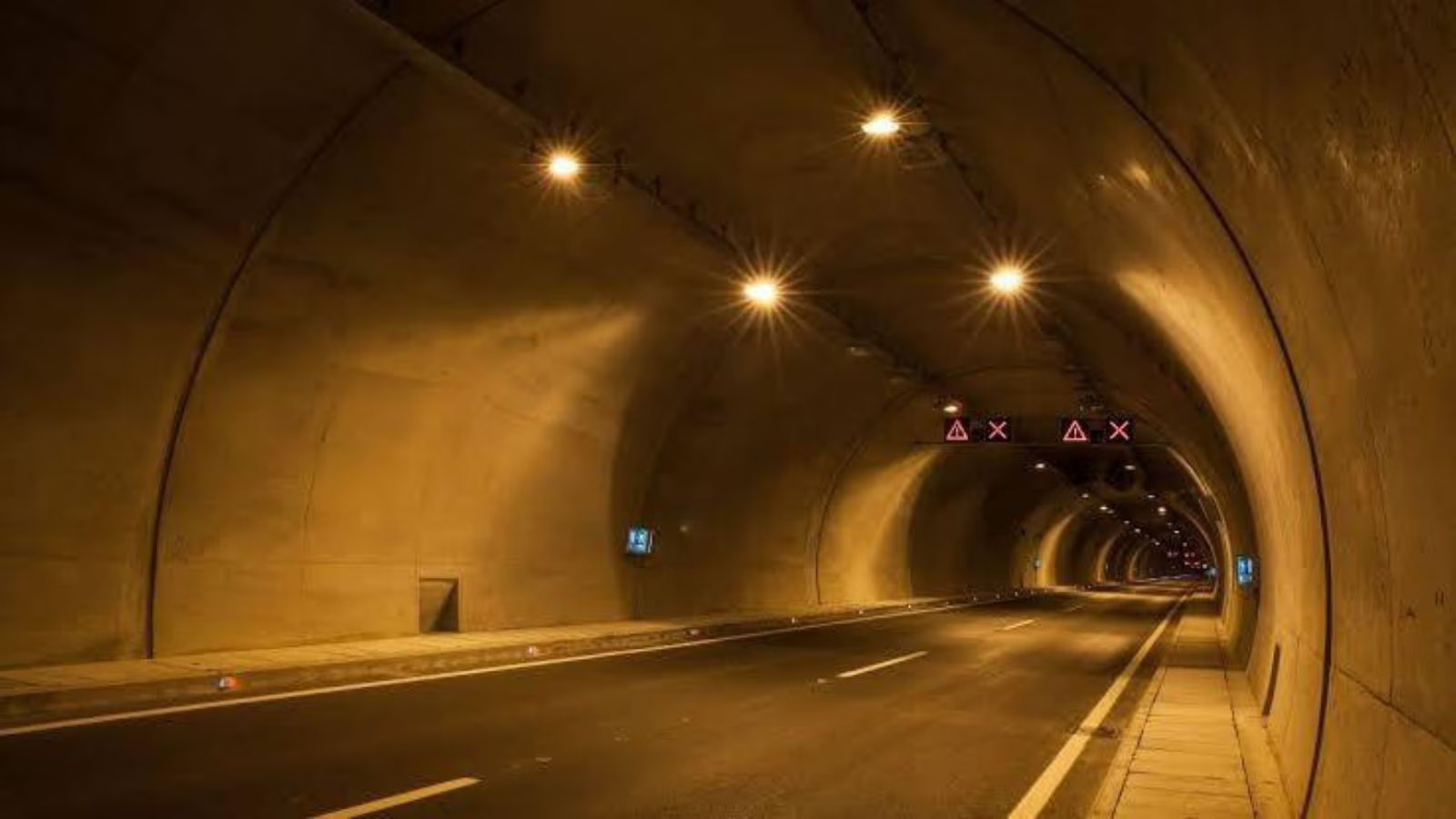
Bengaluru Tunnel Road Project Adani Lowest Bid Exceeds Government Estimate By Rs4600 Crore
The proposed Bengaluru tunnel road project linking Silk Board and Hebbal has entered a phase of intense scrutiny after the Adani Group emerged as the lowest bidder with a quoted cost of ₹22,267 crore, nearly ₹4,600 crore higher than the state government’s estimate of ₹17,698 crore. The gap has raised fresh questions around financial viability, public risk exposure and the long-term cost burden on commuters in India’s fastest-growing metropolis.
The 17-kilometre underground corridor is being pursued under a build-operate-transfer (BOT) model, with the government limiting its financial contribution to 40 per cent of the project cost. According to senior officials, the remaining investment would be funded by the private concessionaire and recovered through tolls over the concession period. However, the significantly higher bid has intensified concerns over whether the project can remain financially sustainable without placing excessive pressure on future users.Officials involved in the tender process said the bid values for both project packages overshot government estimates by more than 20 per cent, a margin that typically warrants cabinet-level evaluation. A senior urban infrastructure official noted that tunnelling projects in dense cities like Bengaluru carry inherent uncertainties related to geology, utilities and traffic diversion, which are often reflected in higher private sector pricing.
Limited competition has further fuelled the debate. Only two firms qualified for the financial bidding stage, while other major infrastructure players exited or were disqualified on technical grounds. Urban transport economists argue that this reflects an unfavourable risk–reward balance under the BOT framework, especially when traffic projections, soil testing and construction timelines remain contested. “When risks are high and data is thin, bidders tend to price in future uncertainty,” an industry expert said.Political opposition has sharpened its criticism, warning that the Bengaluru tunnel road could lock the city into decades of toll payments while delivering limited relief to congestion. Critics argue that large road-centric investments often encourage more private vehicle use, undermining broader goals of reducing emissions and improving equitable access to mobility. They caution that commuters may end up paying both through taxes and user charges over time.
Mobility planners say the controversy highlights a deeper urban policy dilemma. As Bengaluru grapples with congestion, air pollution and climate vulnerability, there is growing pressure to prioritise mass transit, last-mile connectivity and non-motorised transport over capital-intensive road projects. With the tunnel road now facing detailed financial and technical scrutiny, the decision ahead will test how India’s technology hub balances private investment, public accountability and the pursuit of a more inclusive, low-carbon urban future.