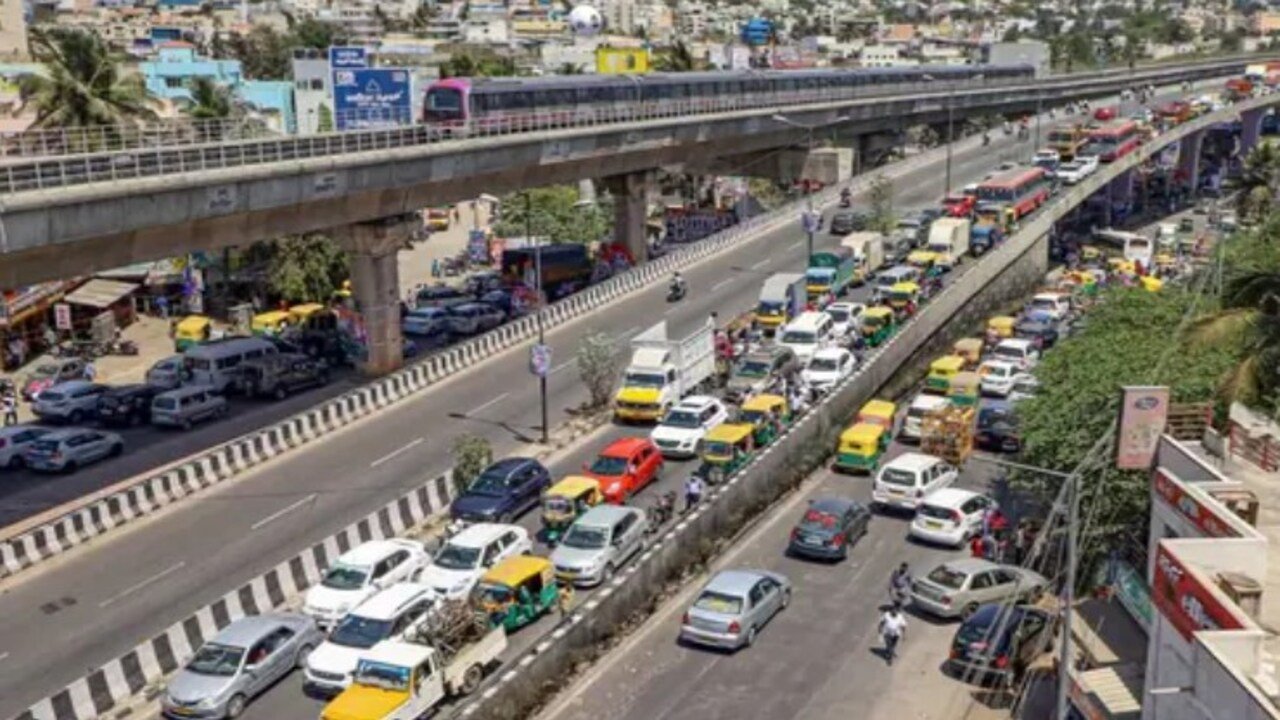
Bengaluru Transport Sector Requests More TIme For Safety Upgrades
Bengaluru’s private bus sector is grappling with operational bottlenecks as operators request an extension on the February-end deadline to meet mandated safety standards. The regulations, introduced in response to a spate of fatal accidents involving sleeper buses, require modifications such as the removal of partition doors behind drivers, installation of fire extinguishers, and visible emergency layout displays across all bus types. The request highlights a growing tension between regulatory urgency and the city’s transport infrastructure capacity.
Industry sources indicate that the surge in compliance work has overwhelmed local vehicle workshops. “Older buses often retain features like luggage carriers that now must be removed, and this is creating a backlog,” noted a senior bus operations manager. With workshops limiting intake to a few buses per operator daily, meeting the regulatory deadline has become a logistical challenge.Compounding the issue is the limited availability of Fire Detection and Suppression Systems (FDSS), a critical component of the safety upgrade. Suppliers report delays in fulfilling orders due to nationwide demand, leaving operators unable to complete installations on time.
A representative from a major travel operator revealed that their FDSS order, placed nearly two months ago, remains incomplete, underscoring the supply chain constraints affecting compliance. Transport authorities are expected to review the extension request shortly. The industry association representing private bus operators has formally communicated the practical difficulties to both the state transport ministry and the Ministry of Road Transport and Highways. In addition to supply shortages, operators argue that removing driver partition doors could compromise onboard climate control, particularly in long-haul sleeper services, presenting a trade-off between safety and passenger comfort.
Urban planners and transport analysts suggest that the current scenario reflects wider systemic challenges in Indian cities where regulatory frameworks often outpace service capacity. Bengaluru, with its growing commuter base and reliance on intercity bus networks, faces a delicate balance between safety enforcement, operational feasibility, and commuter convenience. Delays in compliance may temporarily affect service availability, while accelerated implementation could strain workshop infrastructure and supplier networks. For residents and daily commuters, these developments underscore the interconnected nature of urban transport safety, service reliability, and infrastructure readiness. Moving forward, a phased or staggered compliance approach, combined with increased support for certified FDSS suppliers, may provide a sustainable pathway to safer and more resilient bus services in the city.