Bengaluru Transport Experts Demand Urgent Investment in Public Mobility
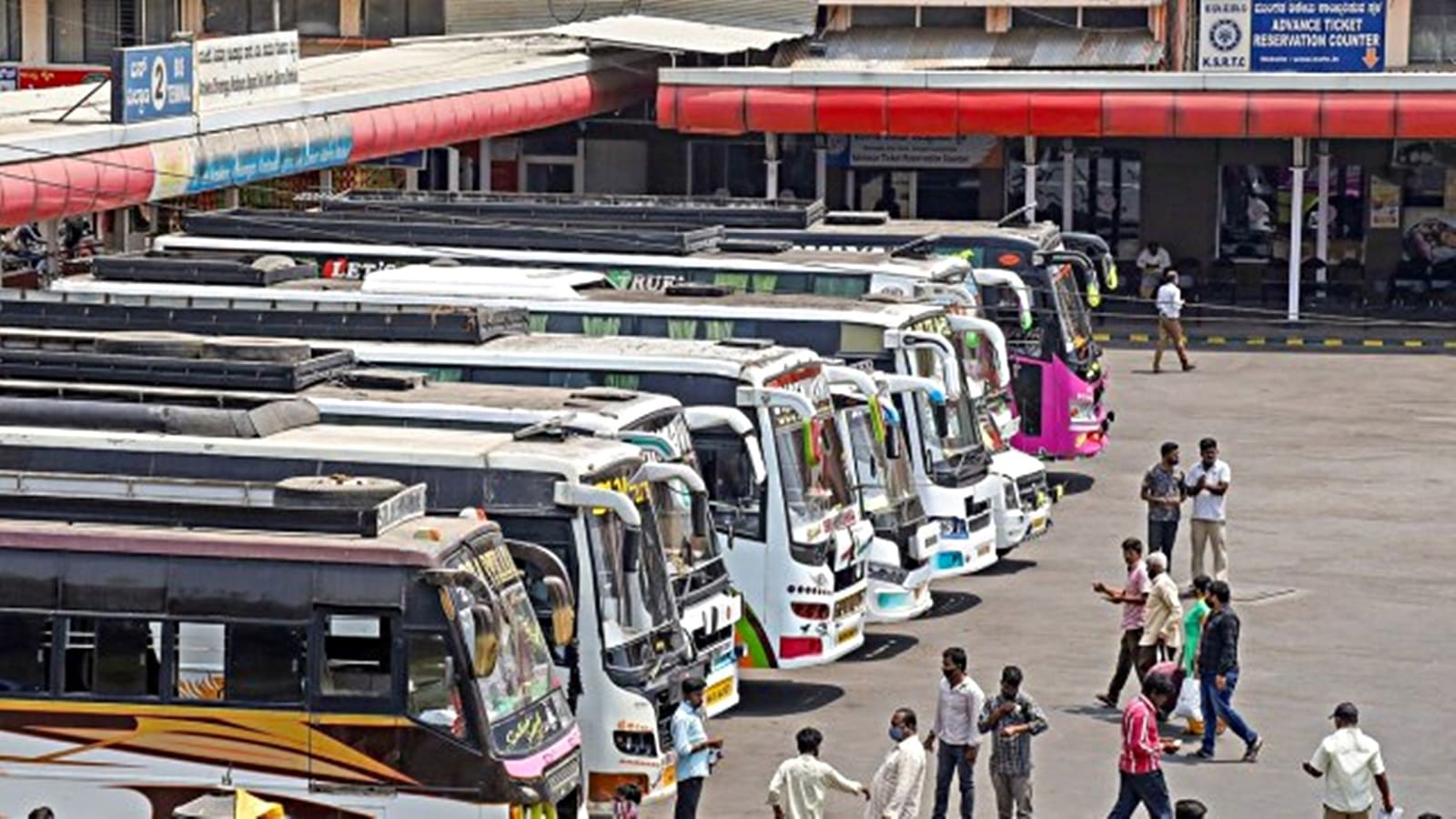
As traffic congestion continues to suffocate India’s tech capital, mobility experts are urging the state administration to prioritise public transport infrastructure—especially Metro expansion, suburban rail, and bus systems—before the city’s mobility crisis becomes irreversible. With over 1.3 crore registered vehicles choking roads, transport professionals say quick fixes like bus priority lanes and long-delayed projects such as the Blue Line Metro and suburban rail must be fast-tracked to offer relief and restore public confidence in sustainable commuting options.
The decades-long delays in Bengaluru’s underground Metro corridors have become a stark symbol of the city’s slow-moving infrastructure development. Despite Phase 2 being approved over a decade ago, major stretches remain incomplete, underscoring the logistical and bureaucratic hurdles of tunnelling through densely populated zones. Experts say unless the government reassesses the pace and scale of its infrastructure commitments, Bengaluru risks losing the momentum needed to resolve its growing traffic nightmare. The city’s infamous gridlocks not only affect daily commuters but also worsen air quality and reduce economic productivity. Public transit advocates have also drawn attention to the neglect of the city’s suburban rail network, originally envisioned as a major decongestion tool. One of its goals—removal of all level crossings to ease urban bottlenecks—has seen little progress, leaving commuters reliant on private vehicles.
Experts stress that neither policymakers nor civic agencies are treating the project with the urgency it deserves. A lack of consistent monitoring, inadequate public engagement, and budgetary hesitations continue to stall the system’s roll-out, raising concerns about the government’s commitment to equitable mobility access. At the ground level, civic infrastructure remains woefully inadequate. Stormwater drains clogged with desilted debris and incomplete road repairs have worsened flooding and disrupted pedestrian access during monsoons. Residents and urban researchers say such issues are not seasonal anomalies but symptoms of deeper systemic failure. Promoting alternatives like carpooling and cab-sharing may ease some pressure, but without a resilient and interconnected public transit backbone, the city will remain vulnerable to daily transport chaos and future climate shocks.
To tackle these interconnected problems, experts are calling for immediate revival of the bus priority lanes on the Outer Ring Road, which had previously improved commute times but were suspended due to ongoing Metro construction. This low-cost, high-impact intervention, coupled with improved pedestrian and cycling infrastructure, could bridge the gap while large-scale projects inch forward. For a city struggling to keep pace with its own growth, the path to sustainable, inclusive urban mobility lies in consistent investment, integrated planning, and a renewed public commitment to shared transport.