


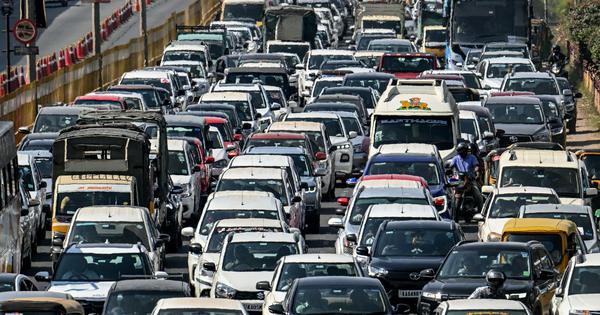
Bengaluru authorities have announced temporary traffic diversions around Freedom Park, a central civic space, as part of ongoing urban management and event planning measures.
The adjustments, affecting major thoroughfares, are intended to ensure smoother movement of vehicles, enhance pedestrian safety, and minimise congestion in one of the city’s densest commercial and administrative corridors. The move highlights the growing challenges of managing mobility in rapidly urbanising Indian cities.Officials indicate that the diversions will reroute traffic from sections of Mahatma Gandhi Road and nearby feeder streets, directing vehicles through alternative corridors to reduce bottlenecks. Urban planners point out that such interventions, while short-term, are necessary in high-traffic zones to prevent gridlock and improve emergency response times. A senior traffic management official noted that real-time monitoring will guide enforcement, ensuring that commuters adapt quickly to the changes.
Analysts highlight that central Bengaluru, including Freedom Park and adjoining areas, experiences substantial pedestrian and vehicular flux due to commercial activity, governmental offices, and public events. Traffic diversions, if implemented efficiently, can help balance urban mobility needs with the city’s broader objective of reducing air pollution and enhancing walkability. Electric and low-emission public transport vehicles are being prioritised on diverted routes to mitigate environmental impact, reflecting the city’s gradual shift toward climate-conscious urban transport policies.
Economically, smooth traffic flow is crucial for businesses operating in the vicinity. Retail outlets, service providers, and office complexes depend on predictable commute patterns for both customers and employees. Industry experts emphasise that temporary road management measures must be communicated proactively to minimise disruption, with digital signage, mobile apps, and social media updates providing real-time route information to commuters.From a civic perspective, the diversions illustrate the intersection of urban planning, public safety, and citizen convenience. By managing vehicular density around a key public space, authorities are also aiming to preserve pedestrian access, reduce noise pollution, and maintain the historical and recreational character of Freedom Park. Urban planning specialists suggest that combining traffic engineering with community-focused planning can enhance both mobility and the liveability of central urban spaces.Looking ahead, authorities are considering integrating these short-term measures into a broader urban mobility framework that includes intelligent traffic systems, pedestrian-friendly zones, and dedicated corridors for public and electric vehicles.
The ongoing monitoring and evaluation of these diversions will provide valuable insights for future urban planning decisions, demonstrating how temporary interventions can inform long-term strategies for sustainable, equitable, and climate-resilient city development.
Also Read:Bengaluru expands piped gas access to homes
