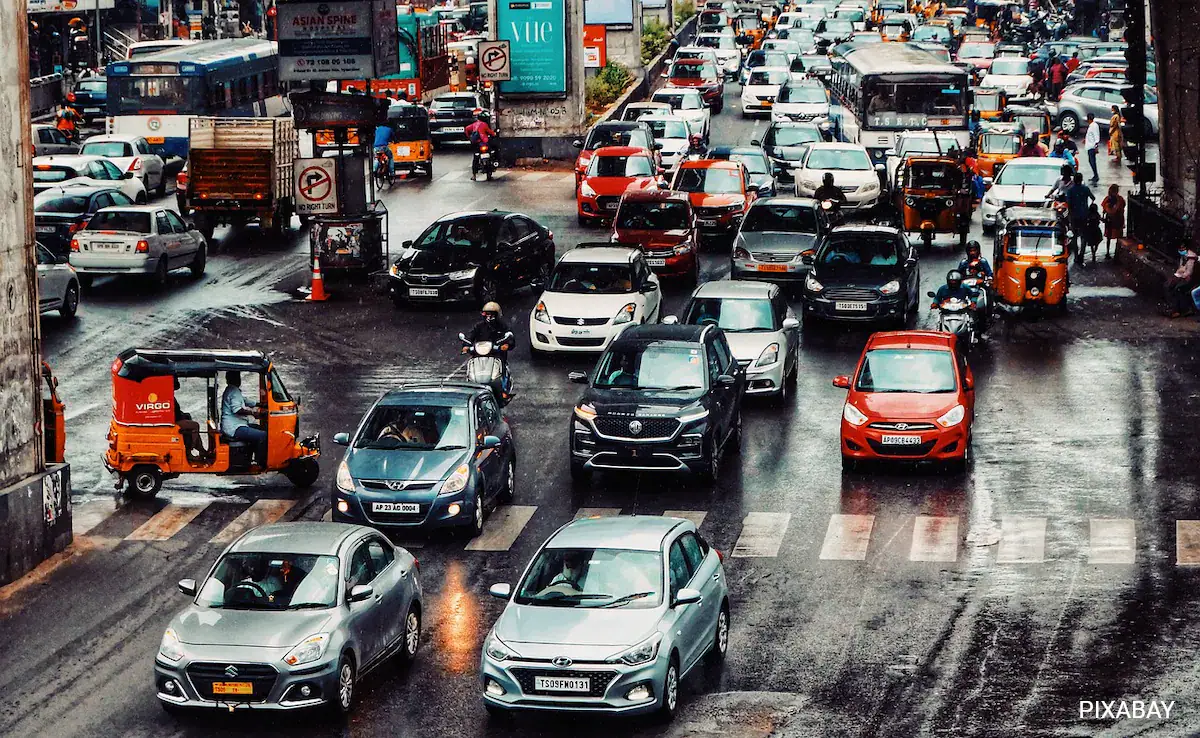
Bengaluru’s chronic traffic snarls have once again captured national attention after a recent social media post by a prominent business leader compared the time taken to reach the city’s airport with the duration of a flight to Delhi. The post, which quickly went viral, reignited debate on the state of urban mobility and the urgent need for sustainable transport planning in India’s technology capital.
For years, Bengaluru’s infrastructure has struggled to keep pace with its explosive growth. What was once India’s “Garden City” has gradually transformed into a congested maze of vehicles, construction sites, and uneven urban sprawl. Residents have long complained that reaching the airport located around 40 kilometres from the central business district can take as long as a flight to another major metro. The online reaction to the viral post was a mix of humour, frustration, and serious introspection. While some social media users quipped about launching “air taxis” or “mini flights” within the city, others emphasised the need for collective action and innovative solutions.
Transport experts highlighted that Bengaluru’s problem is not just about road capacity but also poor last-mile connectivity, inefficient land use, and a lack of integration between public transport systems.According to mobility researchers, Bengaluru’s vehicular population has grown nearly fivefold over the past two decades, while road space has expanded by less than 10%. The result is a gridlock that costs the city an estimated ₹20,000 crore annually in lost productivity, fuel waste, and pollution. On high-density corridors such as the Outer Ring Road home to several IT campuses vehicles frequently crawl for hours, especially during peak office hours.
Sustainable urban planners argue that the crisis offers an opportunity to rethink mobility around low-emission, people-centred models. “Bengaluru needs to shift from car-centric planning to a multi-modal, equitable transport strategy that integrates metro, bus, and cycling networks,” said an urban development expert.Projects such as the Namma Metro Phase 2 and suburban rail are expected to provide relief, but experts warn that infrastructure alone cannot solve the problem without behavioural change and coordinated policy. Encouraging flexible work hours, remote working, and smart traffic management powered by AI and data analytics could significantly reduce congestion and emissions.
While the viral post may have sparked laughter online, it has also become a reflection of the frustration shared by millions of residents. Bengaluru’s traffic challenge has evolved into a larger question about the sustainability of India’s urban future one that demands innovative, climate-conscious, and people-first mobility planning.The debate over Bengaluru’s gridlock is no longer about travel time it’s about what kind of city India wants to build next.